

Why Cheap Flooring Is So Tempting
Flooring is one of the largest visible surfaces in a home, which makes cost especially noticeable. When homeowners see a low price per square foot, the appeal is immediate. New floors promise a fresh look, and budget materials make that upgrade feel achievable right now.
The problem is that flooring isn’t just decorative. It absorbs daily wear, moisture, temperature changes, and foot traffic. When materials are chosen primarily for price, performance often suffers. Many homeowners only realize this after the floor begins to buckle, scratch, fade, or separate far sooner than expected.
In this article, we’ll break down why low cost flooring often leads to higher long term expenses, how it can impact durability and home value, and what smarter investments look like in real homes. If you want floors that still perform years from now instead of needing replacement, understanding these tradeoffs is essential.
Where Bargain Flooring Usually Falls Short
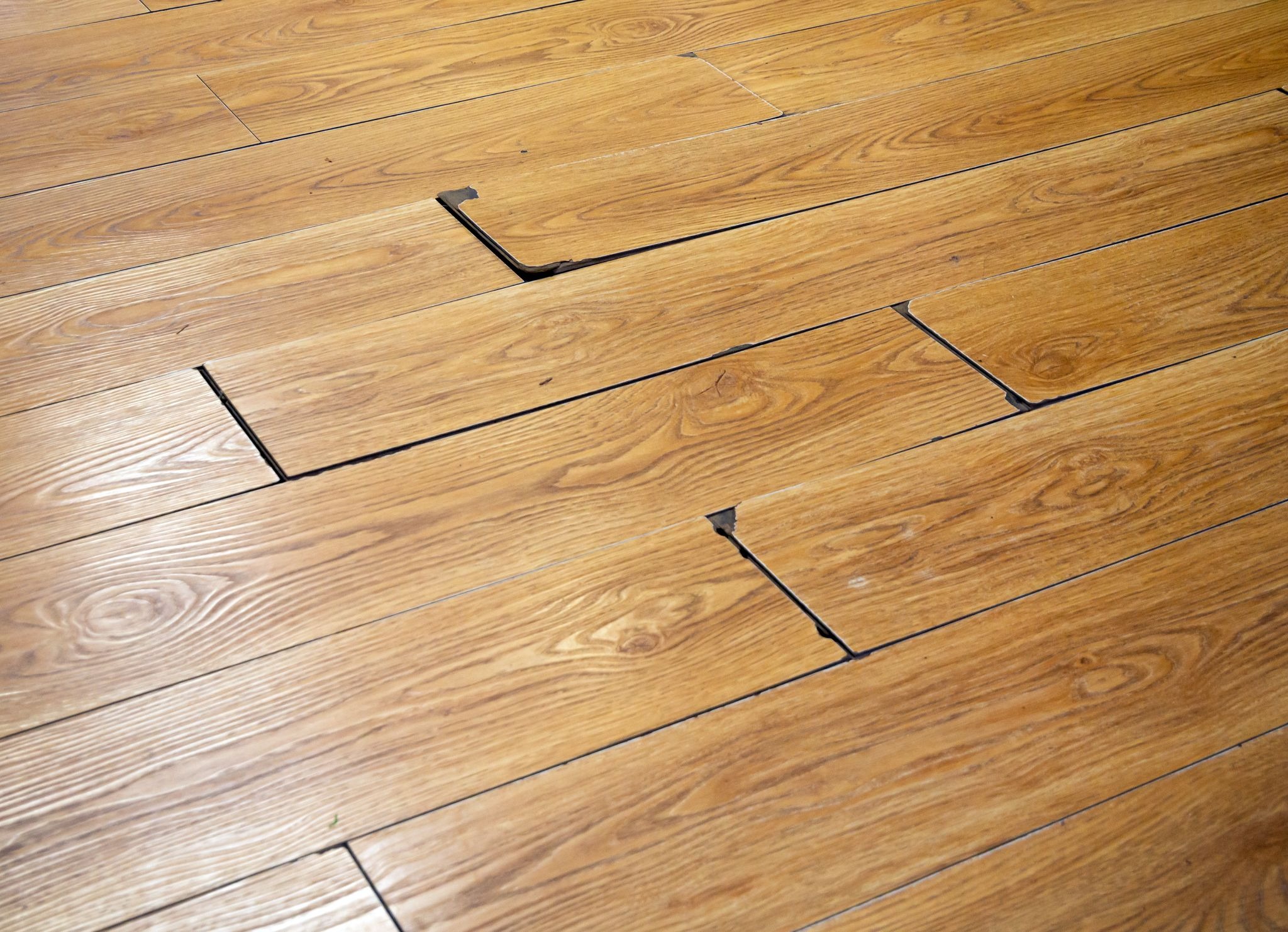
Low cost flooring options tend to sacrifice quality in predictable ways. Thinner planks and weaker cores are more vulnerable to dents and warping. Lower grade finishes wear through faster, especially in high traffic areas like kitchens, hallways, and living rooms.
Moisture resistance is another common issue. Budget laminate or vinyl products may look similar to premium versions, but their construction often lacks the stability needed to handle spills, humidity, or seasonal expansion. Once moisture damage occurs, repairs are rarely isolated. Entire sections often need replacement.
Installation also plays a role. Inexpensive flooring is frequently paired with rushed or inexperienced installation. Poor subfloor preparation and improper spacing lead to gaps, squeaks, and premature failure. These problems affect the appearance and shortens the usable life of the floor.
Cheap Flooring Can Hurt Home Value
Floors influence how buyers perceive a home the moment they walk in. Worn, uneven, or damaged flooring signals deferred maintenance and raises questions about what else may have been neglected. Real estate professionals routinely note that buyers factor the condition of a home’s floors into their offers, even when planning future renovations.
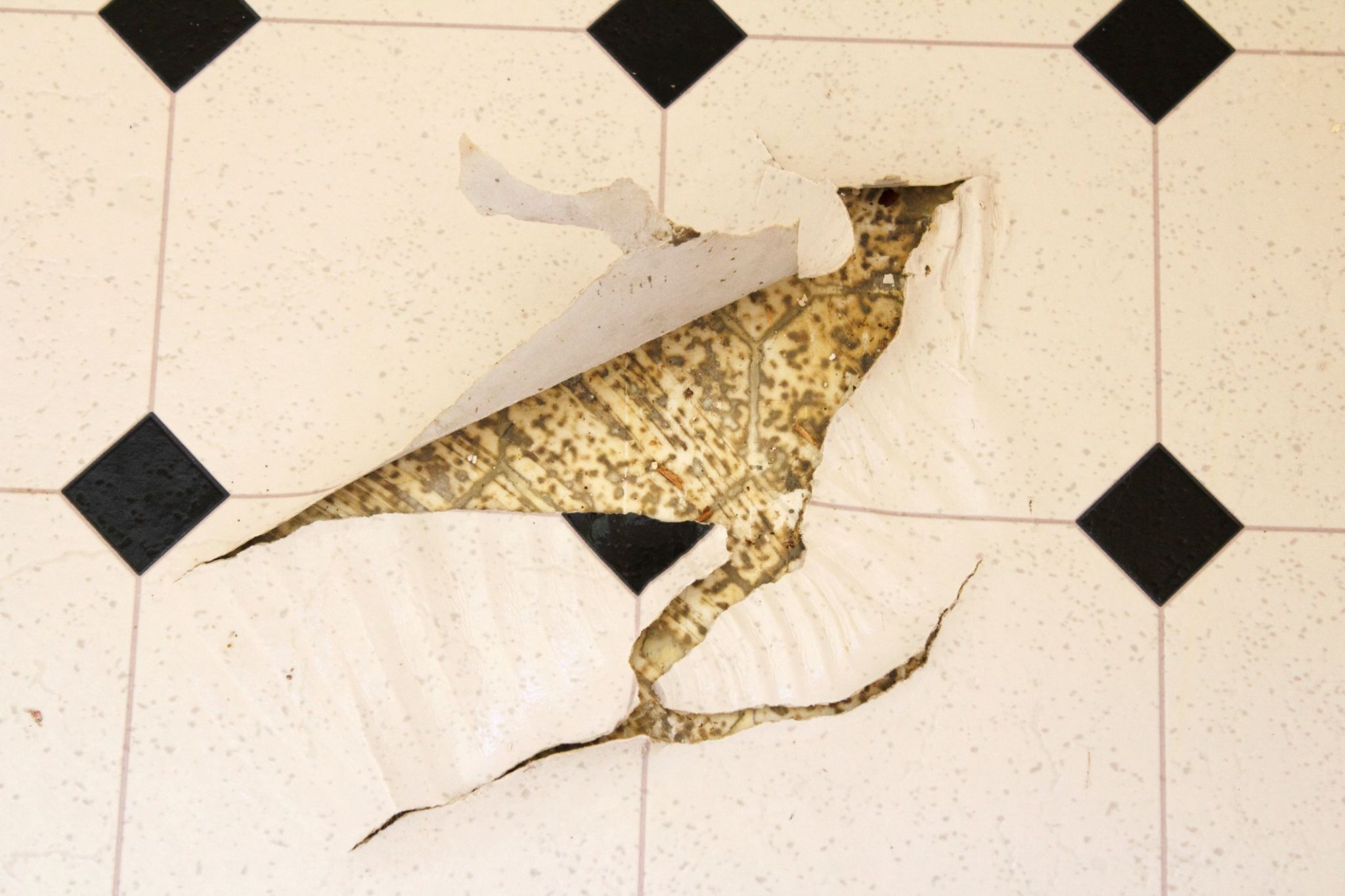
Replacing poorly performing flooring before selling often becomes unavoidable. That means homeowners pay twice: once for the original bargain installation, and then again for a proper replacement. In contrast, durable, well installed flooring can remain an asset for years and reduce negotiation pressure during resale.
The Case for Smart Flooring Investment
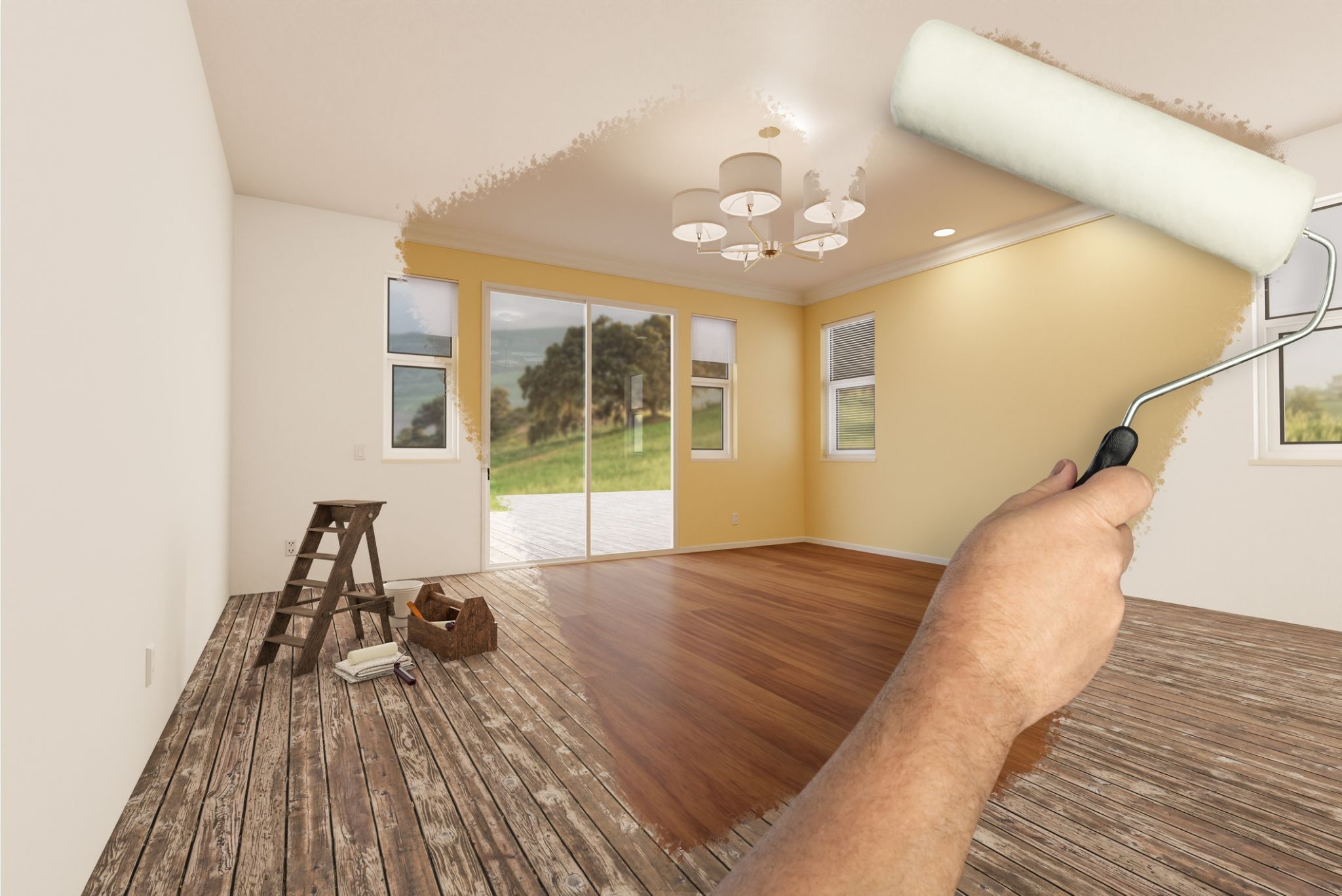
Choosing flooring based on long term performance rather than upfront cost changes the math entirely. Higher quality materials last longer, require fewer repairs, and maintain their appearance under daily use. When spread over the life of the floor, the cost difference often shrinks significantly.
Equally important is professional guidance. Understanding which materials perform best in specific rooms helps avoid mismatches that lead to early failure. Kitchens, basements, and entryways all place different demands on flooring, and no single product works everywhere.
Why Northside Floors Is a Trusted Resource
Northside Floors, a TrustDALE certified partner, focuses on helping homeowners make informed flooring decisions rather than pushing one size fits all solutions. Their expertise spans hardwood, luxury vinyl, laminate, and other modern flooring systems, allowing them to match material performance with lifestyle needs.
Their process emphasizes proper subfloor evaluation, manufacturer-approved installation methods, and clear communication about product limitations and expectations. These steps are critical to achieving durability and avoiding the hidden costs that plague bargain flooring projects.
TrustDALE certification adds another layer of confidence. It reflects verified standards for transparency, accountability, and consumer protection. For homeowners investing in a major surface that affects both daily comfort and resale value, that credibility matters.
Paying Once Instead of Paying Twice
Flooring should support your home, not create a recurring problem. While cheap options may offer short term savings, they often introduce long term costs through repairs, replacements, and reduced value.
A smarter approach considers performance, installation quality, and longevity from the start. With guidance from experienced professionals like Northside Floors, homeowners can choose flooring that holds up over time and protects their investment. In the end, the best flooring choice is not the cheapest one, it’s the one that still looks good years down the road.