
How to Spot Job Scams Before You Get Hooked
A text that promises $35 an hour can feel like relief when you've been out of work. That is why job scams keep landing, because they show up when hope is high and caution starts to slip.
On The Trust Issues podcast, Emmy award-winning consumer investigator Dale Cardwell opens a series on post-pandemic scams by focusing on fake employment offers. Alongside senior producer Marne Zamry, he walks through real cases that show how a polished message, a fake check, and a rushed request for money can turn a job search into a financial mess.
The details matter, because the packaging changes but the scam logic stays the same.
Why job scams exploded after the pandemic
The pandemic pushed more of daily life online, and job hunting went with it. Recruiters reached out through text messages, social media, email, and online listings, so scammers followed the same path. Instead of running the old cons face to face, they now send fake job offers that look fast, modern, and believable enough to catch someone off guard.
 Cardwell makes a simple point early in the episode: the names of scams change, but their DNA does not. The same pressure, fake urgency, and money requests still drive the fraud. The numbers he cites are sobering. Losses tied to job and unemployment scams were already around $90 million in 2020, and the damage climbed sharply in the years after, reaching into the hundreds of millions.
That rise makes sense when you look at how people search for work now. Years ago, applying for a job took more effort. You typed a letter, signed it, mailed it, and waited. That slower process created space to think. Today, an applicant can upload a resume in minutes, get a reply by text, and feel pulled into a hiring process before stopping to ask whether the company is real.
Meanwhile, the job market can feel anonymous. Marne points out that many applicants already feel like "just a number," especially when resumes are filtered, job boards are crowded, and AI tools help everyone tailor applications to the same description. Once a message finally sounds like a break, people want it to be real. Scammers know that. They watch LinkedIn and other job sites, find people whose backgrounds match certain roles, and send bait that sounds perfectly tailored to the moment.
Jennifer's "dream job" had all the right signals, until it didn't
Jennifer's story shows how convincing fake employment offers can look at first. After losing work and trying to find a new position, she received a text from someone claiming to be with UnitedHealth Group. The offer sounded strong from the start: an interview for a role paying $35 an hour.
What happened next followed a pattern that shows up in many job scams. Jennifer went through an informal interview by text message and then got the news every job seeker wants to hear, she was hired. Soon after, she was told that an onboarding packet was on the way. Inside would be a check for $1,800 so she could buy the laptop and software needed for the job. All she had to do was deposit the check, send a copy of the deposit slip, and prepare for training.
Then she noticed something small but revealing. On the paperwork, the word "corporate" was misspelled. That detail stopped her cold.
Jennifer's experience packed several warning signs into one short exchange:
| Red flag | Why it mattered |
|---|---|
| The interview happened informally by text | Many legitimate employers may text to schedule, but hiring someone through a casual text exchange is a bad sign |
| A company check arrived before any real onboarding | Fake-check scams often start by sending money first |
| The sender wanted a deposit slip | A deposit slip can expose bank account details and help with identity theft or account fraud |
| Official letterhead contained a misspelling | Sloppy errors often show up when scammers impersonate real companies |
The request for the deposit slip was especially dangerous. Jennifer understood why. That slip could reveal her banking information, which is exactly the kind of detail a scammer wants. The check itself was another problem. A bank may make funds available before a check is fully verified, but that does not mean the check is good. If you spend the money or send part of it back and the check later bounces, you are still responsible for the loss.
Jennifer did not cash the check. Because she stopped in time, the only thing she lost was time. That is still costly, but it was far better than losing money or exposing her account. Cardwell also notes that a recent Better Business Bureau Scam Tracker risk report found average losses of about $1,000 in fake employment schemes. For many job seekers, that kind of hit lands at the worst possible moment.
The fake house-cleaning job exposed how fast the pressure builds
Jennifer stepped away before the scam could move further. Marne, on the other hand, decided to keep one fake job conversation going long enough to show how the script works. She was solicited by text for a house-cleaning position, and the offer sounded suspicious from the start. The pay was high, the time commitment was low, and the bonuses kept getting sweeter if she would simply follow instructions.
Soon the scammer moved to the next step. He said he would send a check by FedEx for roughly $2,000, even though the supplies would cost only a few hundred dollars. He described the extra money as a "goodwill gesture." That phrase may sound generous, but in scam language it is bait. The check is there to get the victim to act fast before thinking clearly.
"If they send you a check and ask you to send money back, that's a scam every single time."
The episode gets especially memorable once the scammer thinks Marne is on the hook. He tells her to go to Walmart, then demands proof that she has the cash. She never went near Walmart. Instead, she gathered cash from around the office, staged a photo, and sent it over. His response was immediate and angry. He challenged the picture and started pushing harder. That hostility mattered as much as the money request. A real employer does not belittle applicants, rush them into a cash transaction, or bark orders over the phone.
Other details made the call sound even less believable. The man was hard to understand. A rooster crowed in the background. Yet the scam still shows how easy it is to get pulled forward when a job offer sounds like relief. Marne says many people are already discouraged during a search. When they finally get attention, they may ignore things they would usually question. That is why one of the strongest lines in this episode is also the simplest: Trust your gut. If the tone, pace, or payment request feels wrong, it probably is.
Four rules that stop most fake job offers
Cardwell boils the warning signs down to four simple questions, and they are a strong filter for almost every suspicious offer.
- Never pay for a job. A legitimate employer does not ask you to cover training, software, equipment, or supplies up front. If someone sends you a check and tells you to buy materials or send money back, treat it as fraud.
- Research the company yourself. Do not stop at the website linked in the message. Search the company name along with words like "scam," "complaint," or "review." Real companies leave a normal trail online. Scam operations leave complaints, confusion, or almost no trustworthy history at all.
- Read reviews with a skeptical eye. Some scammers flood the internet with fake five-star praise. When every review sounds polished, generic, or strangely similar, slow down. Real customer feedback usually has variety, detail, and a few imperfections.
- Ask someone you trust for a second opinion. A fresh set of eyes catches what stress can hide. Jennifer noticed a misspelled word only after looking more closely, and Cardwell says a friend of his avoided the same scam because she called him before acting.
One extra check may save you from the whole mess: go directly to the employer's official website and look for the job there. If the role exists, it should usually appear on the company's own careers page. You can also look for a verifiable physical address, a real leadership team, and a credible presence outside the original posting. The FTC's job scam advice echoes that same warning, and New York's consumer alert on employment scams makes the same point. If the company cannot be verified outside the message that reached you, the risk is too high.
Where to report a job scam and where to look for reliable help
Cardwell ends with a reminder that information is power, especially when scammers count on silence. If you think someone targeted you with a fake employment offer, report it through the FTC's fraud reporting portal. Every report adds to the record, helps investigators track patterns, and makes it harder for the same operators to keep cycling through new names.
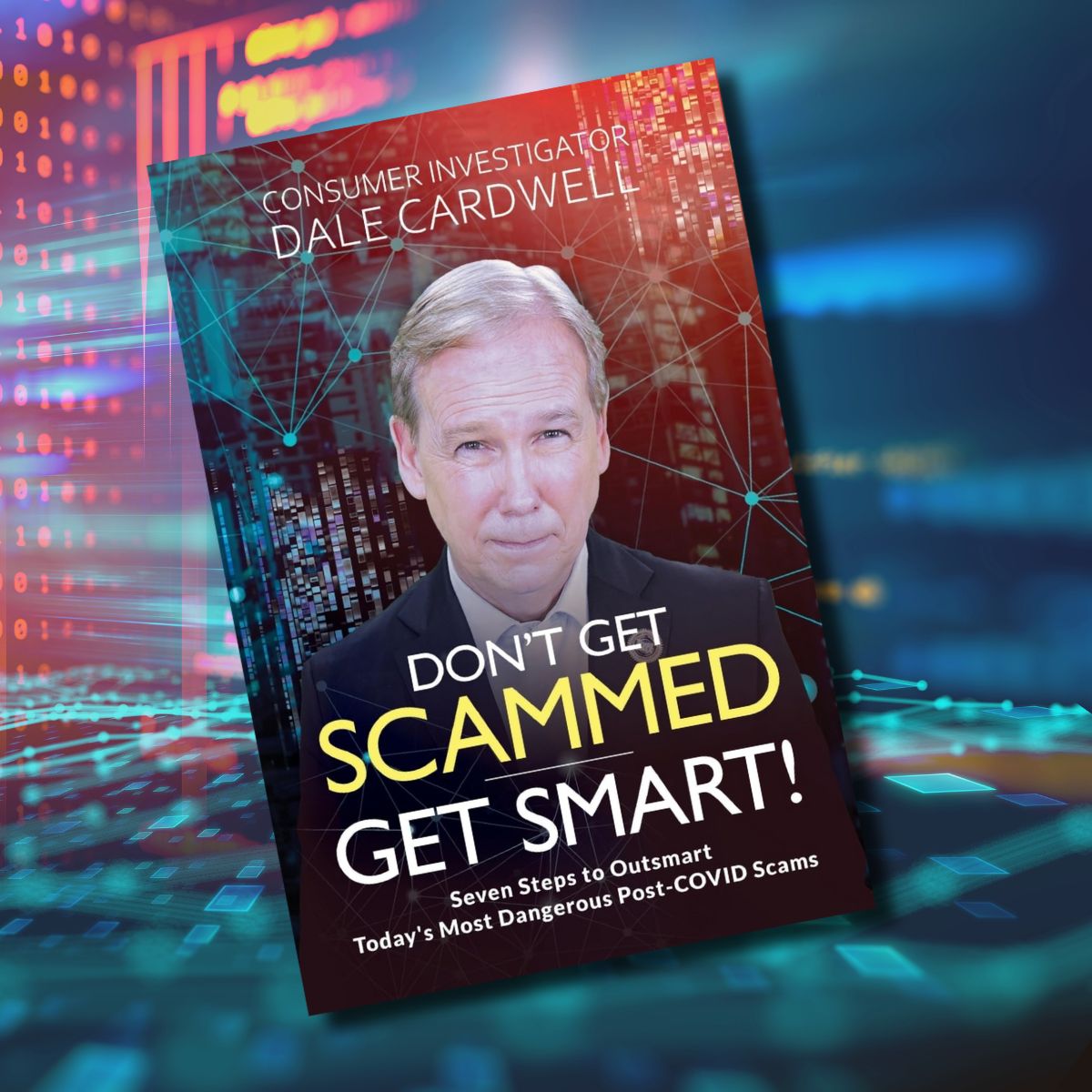
He also ties this episode to a larger effort. The podcast series draws from his book, "Don't Get Scammed, Get Smart: Seven Steps to Outsmart Today's Most Dangerous Post-COVID Scams," which focuses on the patterns behind modern fraud. The point is not only to tell a few shocking stories. It is to make those stories useful before someone else loses money.
For readers in the Atlanta area, Cardwell says TrustDALE's vetted companies offer another layer of consumer protection when you need service providers you can check out ahead of time. That resource is separate from job hunting, but it fits the same idea that runs through the whole episode: verify first, move money later.
Keep verification ahead of hope
The strongest lesson from these stories is simple. Scammers do not need your passwords first. Often, they only need your optimism, a fake check, and one rushed decision.
Hope belongs in a job search, but verification has to come first. A real employer will not need your deposit slip, your money, or a picture of cash to prove you are ready to work. Want a deeper dive? Watch Hired or Hooked?: Job Scams to Watch Out For on the TrustDaleTV YouTube channel or listen wherever you get podcasts. Or read about job scams and nine other post-Covid scams taking billions of dollars from consumers in Dale Cardwell's new book: Don't Get Scammed, Get Smart available now on Amazon!