
Is That Inheritance Letter a Scam? My Warning Signs
When Nancy brought me this question, my answer came fast. A letter arrived at her home for her husband, who died in 2007, and the sender claimed to be an attorney in Hong Kong trying to locate relatives tied to a life insurance policy. In my line of work, that combination points to a scam.
I investigate consumer fraud for a living, and surprise inheritance notices keep showing up because they play on hope, grief, and curiosity. A recent FTC alert on unclaimed life insurance scams shows this pitch is still active. Once you know the pattern, the letter loses much of its power.
Why Nancy's letter set off alarms immediately
When I read a letter like this, I don't focus on the promised money first. I focus on the story holding it together. In Nancy's case, the story had too many weak points to trust.
Start with the recipient. The letter went to a man who had been dead for years. A legitimate claim tied to an actual estate or real life insurance benefit should rest on verified facts, not a blind mailing that ignores whether the named person is even alive. That alone should make you stop.
Then look at the logic. The sender claimed there was a deceased person with the same last name, and that this shared surname might open the door to an inheritance. A last name is not proof of a family relationship, and it is not proof of a legal right to collect money. When someone tries to bridge that gap with vague legal language, I get suspicious fast.
 A foreign location also matters. Scammers often use distance to make a claim feel harder to check and more intimidating to question. "Hong Kong attorney" sounds official. That's the point. The title is there to lower your guard.
"If it sounds too good to be true, it probably is."
That old rule still works because these offers are built on the same pressure points again and again. The FTC alert on unclaimed life insurance scams fits this kind of letter closely, especially when the pitch claims surprise insurance money is waiting for you.
These red flags are easier to spot when you compare the pitch to a real claim.
| What the letter says | Why I treat it as a red flag |
|---|---|
| A stranger contacts you out of the blue about a large inheritance | Real claims can be verified through clear records, not mystery outreach |
| You may qualify because someone had your last name | A shared surname does not establish family connection or inheritance rights |
| A foreign attorney is "helping" you access the money | Distance and official titles can make a false story sound harder to question |
| Money exists, but you must act through special legal steps | Confusing legal language is often there to build trust, not prove the claim |
Once a letter leans on surprise, vague family ties, and a distant authority figure, I stop treating it like good news and start treating it like a fraud pitch.
How an inheritance scam usually works
The first move is always the surprise claim
Inheritance scams don't begin with proof. They begin with contact you never asked for. A person posing as an attorney, banker, or foreign official reaches out and says you may have a claim to a large sum of money. Sometimes they say you are legally entitled to collect it. Other times they say the deceased left no will, so a path has opened for you through some legal gymnastics.
That's where the emotional hook comes in. A stranger isn't selling you a product. They're selling you a possibility. Maybe a distant relative died. Maybe an unknown policy exists. Maybe your family name means more than you realized. That "maybe" is what keeps people reading.
Nancy's letter followed that script closely. It used her late husband's last name as the bridge to a supposed life insurance payout. On paper, that may sound plausible for a moment. In practice, it is a classic setup.
The paperwork is part of the con
After the hook comes the explanation for why the money can't simply be sent to you. The schemer says the funds are tied up and hard to access because of:
- government regulations
- taxes
- bank restrictions
That delay story is important because it creates a problem the scammer can claim to solve. Suddenly, the person who contacted you out of nowhere is also the one offering to "help" move the money.
Next comes the paperwork. You may get official-looking forms, legal language, signatures, and references to power of attorney. I don't read those documents as proof that the claim is real. I read them as props meant to build confidence and collect personal information. The pattern described in Western Union's guide to beneficiary and inheritance scams matches what I see in complaints like this one.
A fake inheritance claim often succeeds because it sounds formal, not because it sounds sensible. Those are two different things.
What happens if you respond
The money never arrives
The financial end of this scam is brutally simple. You are told money is waiting. You are told someone can help release it. Then you are asked to send money first.
If you pay to unlock a supposed inheritance, you should expect that money to be gone.
That is the part I want people to hear clearly. You will not receive the promised cash, and you will not get your payment back. The inheritance was never the point. Your payment was.
Because the letter is dressed up in legal language, some people assume the request must be part of a normal process. It isn't. A demand for money up front is one of the clearest signs that the claim is built to take from you, not pay you.
Your personal information matters too
Money is only one target. Personal information is another.
These schemers will go to great lengths to convince you they are legitimate. They may send multiple documents and ask you to complete forms that look formal and routine. Sometimes they present those forms as a step toward power of attorney or estate access. What they really want is your trust, along with the private details that come with it.
When a stranger asks for identifying information in the middle of a surprise inheritance claim, I see a second layer of risk. Once you hand over personal details, you lose control of where that information goes and how it may be used. That risk is easy to miss because the promised payout takes center stage.
This is why I never judge these cases by how polished the documents look. A stack of forms can still be part of a lie. In fact, the more effort a fraudster puts into the paperwork, the more suspicious I become.
Where I tell consumers to turn next
When a suspicious inheritance notice shows up, I want the emotion out of the decision. A real claim can stand up to scrutiny. A scam usually falls apart when you slow it down, verify the story, and refuse to send money or hand over personal information on demand.
Nancy did the right thing by stopping and asking the question before taking the next step. That pause matters. Most scam attempts depend on momentum, not truth.
Useful places to get help
If you need a trusted next step or want to report a questionable claim, these resources are worth your time:
- Review the FTC alert on unclaimed life insurance scams to see how this fraud is showing up right now.
- Send details through the TrustDALE consumer issue form if you want help with a suspicious consumer problem.
- Read the TrustDALE advice and blog section for more consumer protection guidance.
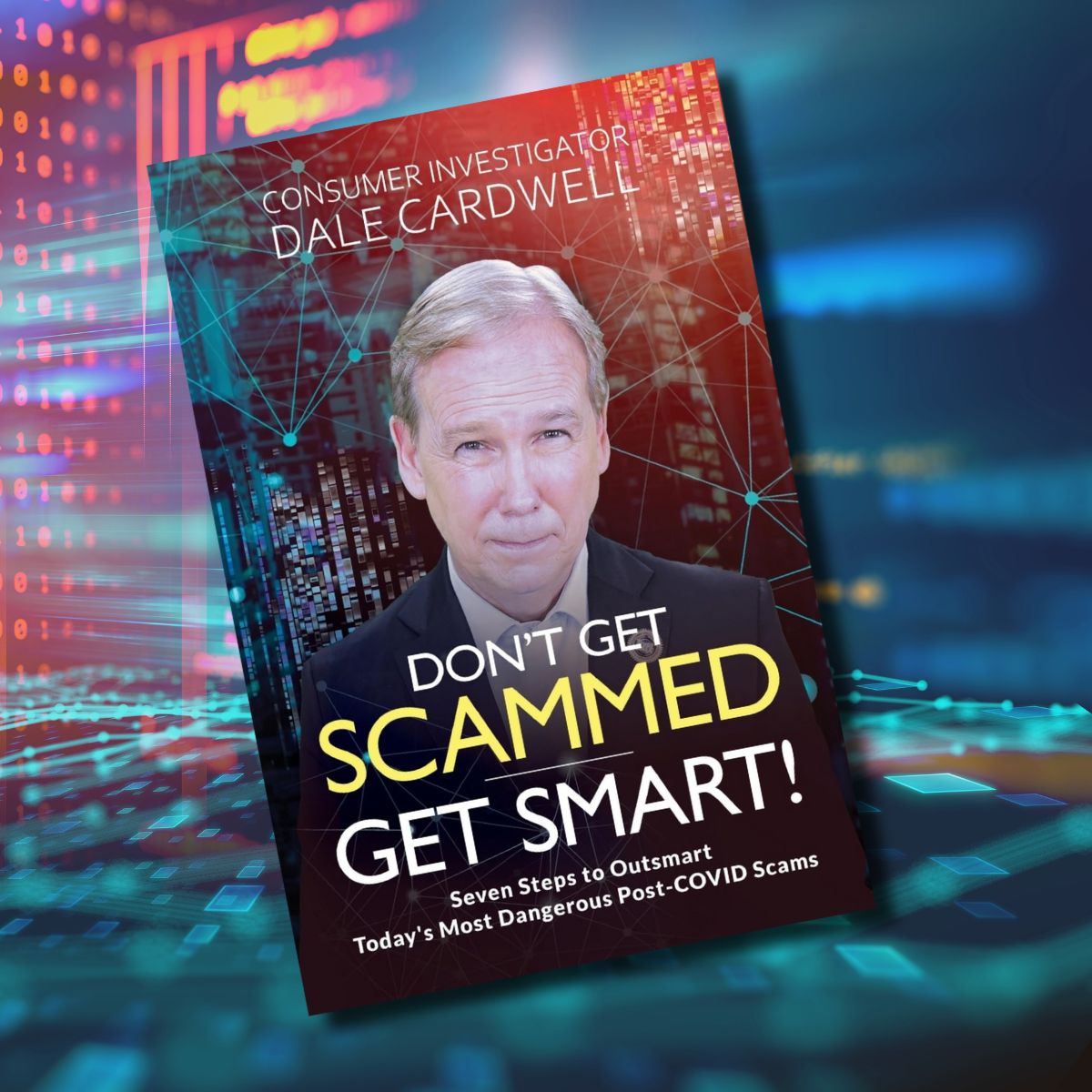
- Pick up my book on avoiding rip-offs if you want a broader look at how these schemes work and how to spot them earlier.
The most important thing is not to let a polished letter make the decision for you. Official tone is cheap. Proof is not.
The bottom line on a surprise inheritance notice
A surprise inheritance letter can feel personal because it uses your family name, your curiosity, and sometimes your grief. That still doesn't make it real.
In Nancy's case, the warning signs lined up too neatly to ignore: a dead spouse's name, a foreign attorney, a same-last-name connection, and money that supposedly existed but needed help to reach her. That is the shape of a scam, not a genuine inheritance claim.
When a fortune lands in your mailbox and asks for trust before proof, keep your wallet closed and your personal information out of reach. Knowing the red flags is always your best weapon when you become the target of a scammer. I'm so passionate about educating consumers that I wrote a book: "Don't Get Scammed, Get Smart: Seven Steps to Outsmart Today's Most Dangerous Post-COVID Scams" that you can click here to find on Amazon.