

Winter has a way of leaving receipts. By the time spring arrives, many homeowners start noticing what months of cold, moisture, and temperature swings have done to the outside of the house. Faded color, cracking trim, bubbling finish, and peeling paint tend to show up all at once, turning a home that looked fine in the fall into one that suddenly feels a little tired.
This next installment in the Spring Into Action series looks at why spring is one of the smartest times to deal with exterior paint problems. You’ll learn what peeling paint is really telling you, why timing matters, and how a professional paint job can do much more than freshen up curb appeal.
When Paint Starts Peeling, Your Home Starts Talking
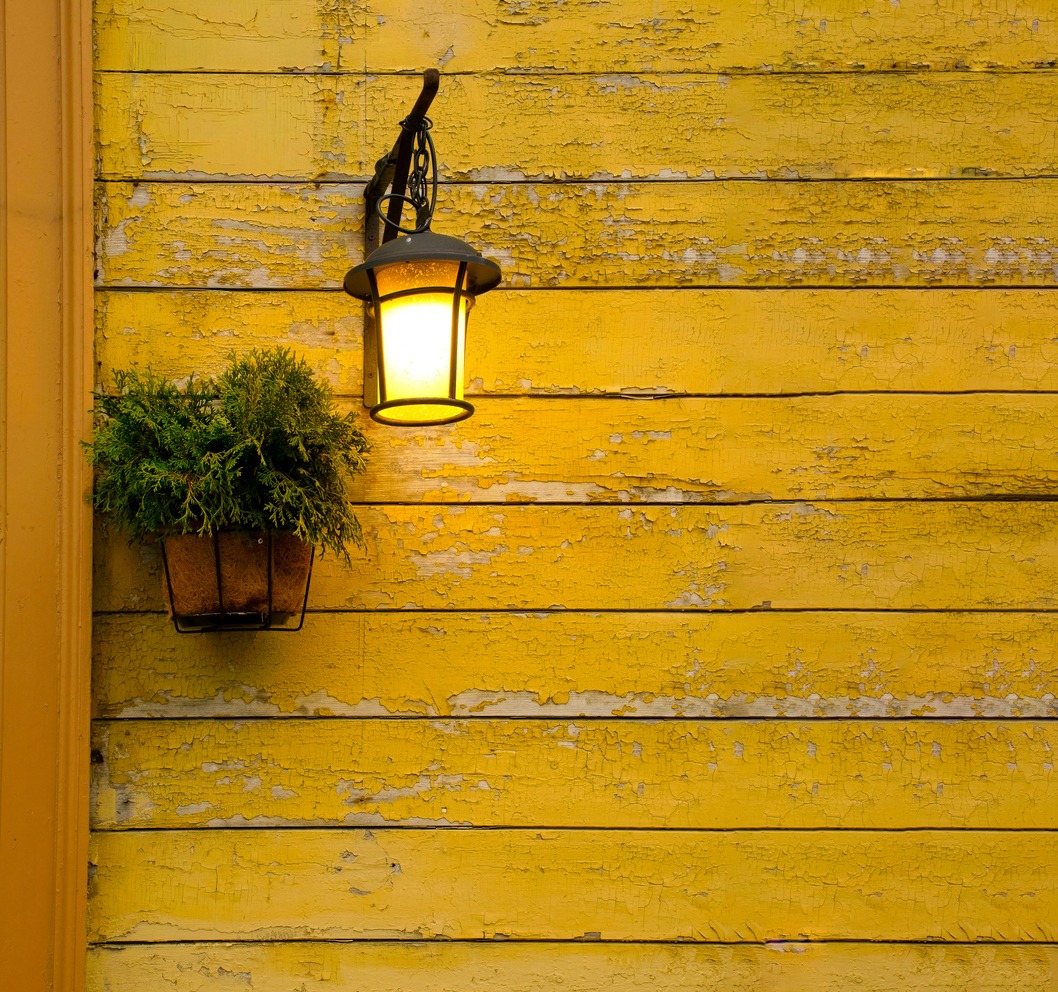
Peeling paint is easy to dismiss as a cosmetic nuisance, but it usually points to a bigger issue. Exterior paint serves as a protective layer between your home and sun, wind, rain, and seasonal moisture. Once that layer starts to fail, the surface underneath becomes more vulnerable. Wood can absorb water. Trim can begin to deteriorate. Small weak spots can turn into more expensive repairs if they’re ignored for too long.
That’s why spring is such a practical moment to pay attention. The damage is easier to spot after winter, and taking care of it early can help protect your home before summer heat and storm season add more stress. A fresh coat of paint isn’t just about appearance. Done properly, it helps seal, shield, and preserve the exterior materials that keep your home standing strong.
Why Spring Works So Well for Exterior Painting
Spring tends to offer a sweet spot for exterior painting because the weather is usually more cooperative than it is in the extremes of winter or summer. Paint products need the right conditions to bond, cure, and perform the way they’re supposed to. Too cold, too wet, or too hot, and the finish may not hold up as well over time.
Manufacturers like Benjamin Moore note that many exterior coatings perform best within specific temperature and moisture ranges, which is one reason pros keep such a close eye on forecast conditions before starting a job. Spring often provides that workable window, especially when crews can plan around rain, overnight temperatures, and direct sun exposure. In plain English, it’s a season that gives paint a better chance to do its job.
A Better Finish Starts Long Before the First Brushstroke
One of the biggest misconceptions about exterior painting is that color is the main event. It isn’t. Prep is where the real work lives, and it’s usually what separates a paint job that lasts from one that starts failing too soon.
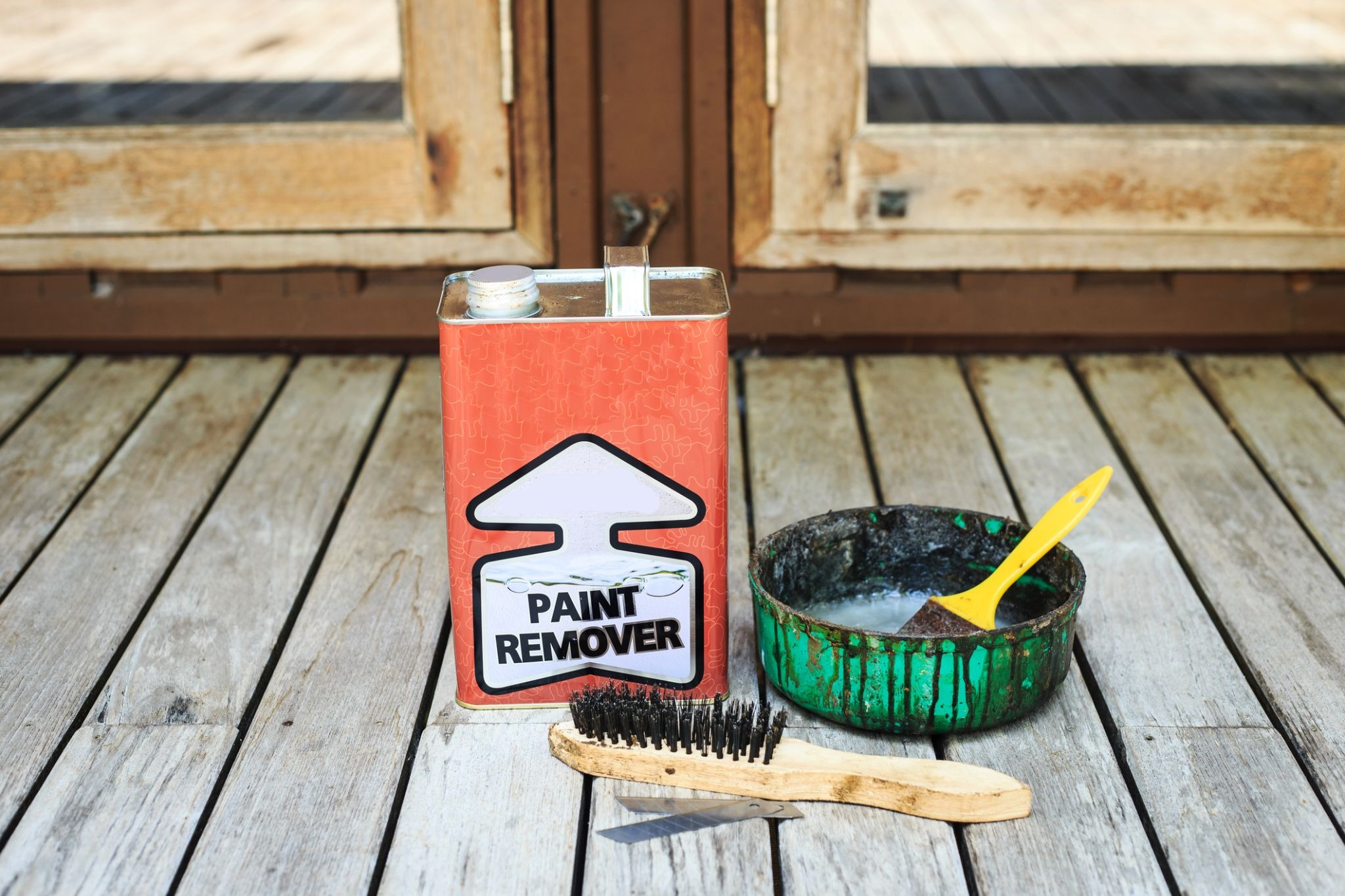
A proper exterior painting project may include scraping loose paint, sanding rough edges, cleaning mildew or dirt from surfaces, sealing gaps with caulk, repairing damaged wood, and applying the right primer before finish coats ever go on. That process matters because paint sticks best to a clean, sound, properly prepared surface. When peeling is painted over instead of addressed, the new finish is basically built on a bad foundation.
Homes built before 1978 require even more care. The EPA says renovation, repair, and painting work that disturbs lead-based paint in pre-1978 homes must follow lead safe requirements and be handled by properly certified firms. If a professional painter tells you that this is a concern, don’t automatically assume they’re trying to upsell you. It’s a serious problem that has strict regulations to minimize risk and harm to you, anyone living in the home, and the painters themselves.
Fresh Color, Stronger Protection
There’s a reason homeowners notice such a difference after exterior painting is done well. The house looks cleaner, sharper, and better cared for, of course, but the payoff goes deeper than that. New exterior paint can help reduce moisture intrusion, defend exposed surfaces, and give aging siding or trim a longer service life when problems are caught in time.
It also changes how a home feels. A worn exterior can quietly drag down the whole property. Fresh paint brings back a sense of order. It makes maintenance feel current instead of overdue, and that has real value whether you’re planning to stay for years or simply want your home to look like it’s being looked after.
The Right Time to Act Is Now
If you’re seeing peeling, flaking, or fading paint, spring is the season to move. Waiting rarely makes the job simpler, and it certainly doesn’t make it cheaper. Exterior paint problems tend to spread, not pause.
For homeowners ready to take the next step, TrustDALE makes it easier to find a vetted exterior painting professional who can evaluate the condition of your home and recommend the right solution. This Spring Into Action season is a smart time to give your home a fresh new look and stronger protection for the months ahead.