

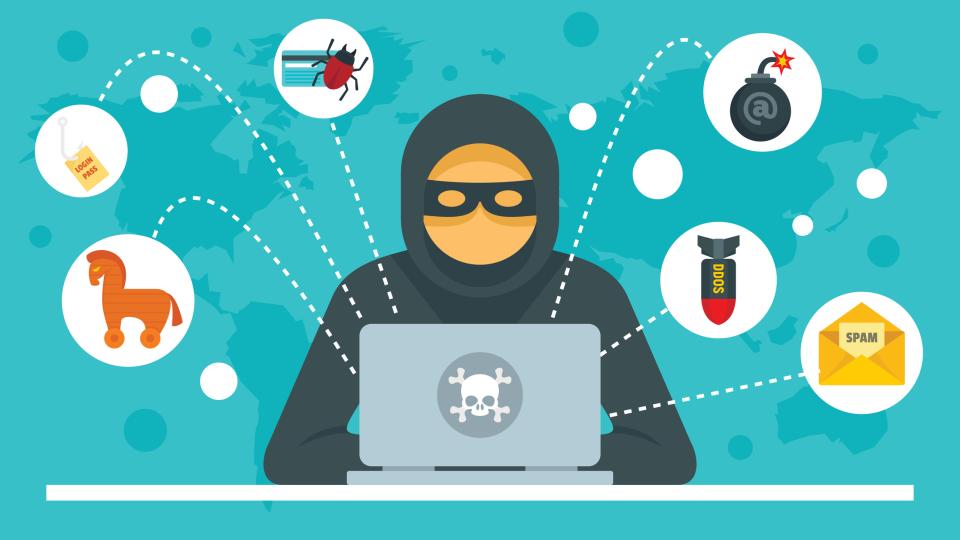
January always feels like a fresh start. Budgets are reset, plans are made, and intentions to tackle home projects or sign up for new services are high. Unfortunately, scammers see this shift as opportunity instead of motivation. They know that when people are focused on progress, they are also more susceptible to rushed decisions, impulse sign-ups, and pressure tactics.
By the time most consumers settle into the year’s rhythm, scammers have already been hard at work. In 2024, U.S. consumers reported losing more than $12.5 billion to fraud, a 25 percent increase from the prior year. Consumers filed roughly 2.6 million fraud reports, and the portion of people who actually lost money climbed dramatically, showing that scams are not just more frequent, but more effective at convincing victims to pay (Federal Trade Commission).
In this article, we unpack the scam trends experts expect to see in 2026, explain why they hit hardest at the start of the year, and outline clear steps consumers can take now to protect their money and identity. Being informed at the beginning of the year sets the tone for safer decisions and fewer losses.
Home Improvement Fraud Is Evolving, Not Disappearing
Home improvement scams are a perennial threat, but they are also changing shape as the industry evolves. Rather than outdated tactics that are easy to spot, many fraudsters now use polished websites, professional branding, and fake credentials that mirror legitimate contractors. Some even impersonate real companies by copying license numbers or creating email addresses that look official.

After the holidays and heading into the year’s renovation season, many homeowners begin soliciting quotes, comparing materials, and making decisions quickly. Scammers rely on that rush. They often request large upfront payments, suggest unconventional payment methods, or pressure consumers to sign contracts before verification can occur.
In his decades of experience, Dale has discovered that consumers who slow down, verify credentials independently, and ask for detailed documentation dramatically reduce their chances of falling for this scheme.
Subscription Traps Designed to Slowly Drain Your Wallet
You’ve heard “death by a thousand cuts;” now get ready for the 2026 version: “bankruptcy by a thousand charges.”
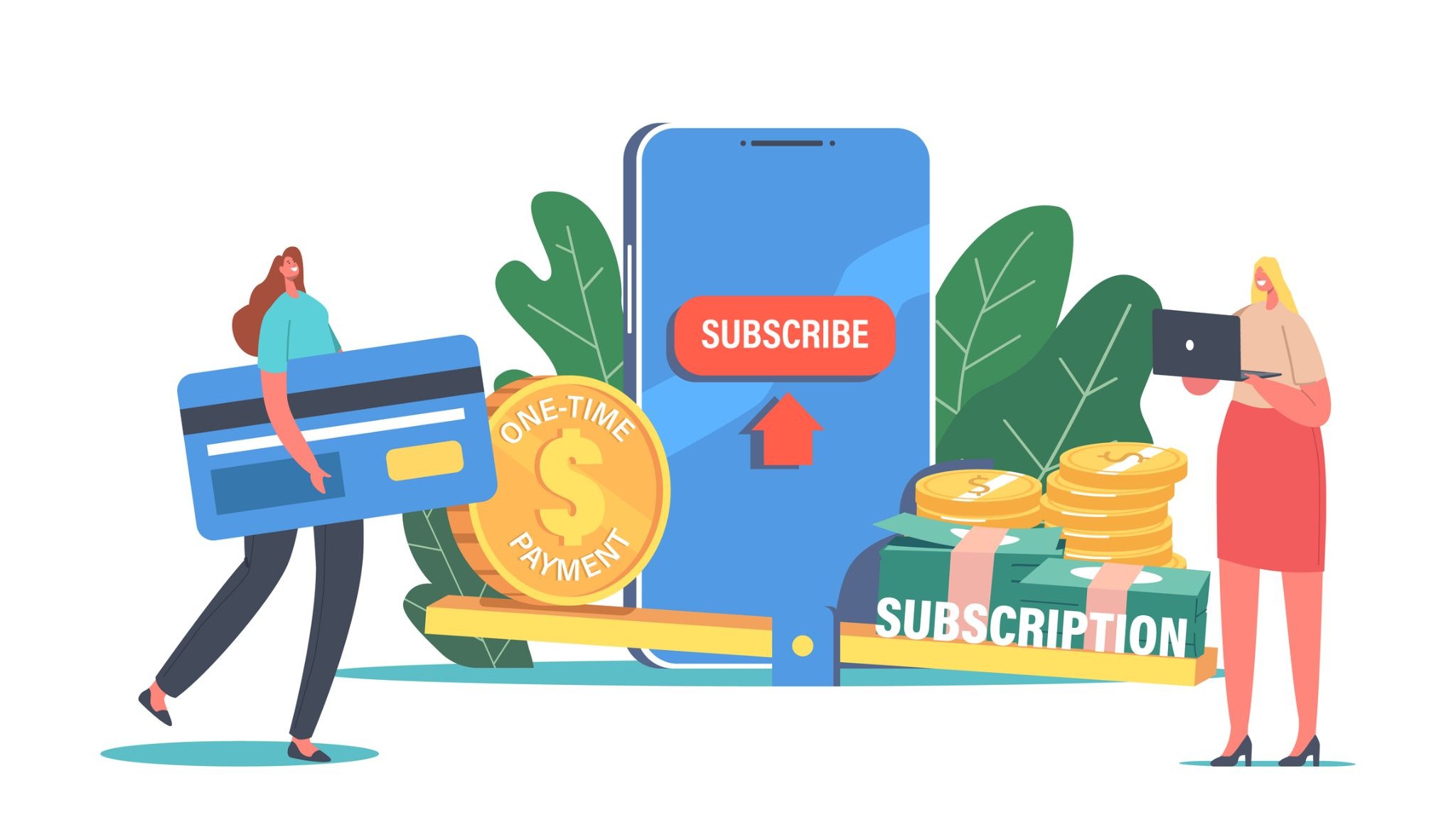
Subscription traps continue to grow as more services shift to automatic recurring billing. These scams often begin with an enticing introductory offer or an in-app prompt with fine print buried deep in the terms.
The real issue is what happens next. Canceling these subscriptions can be confusing or nearly impossible, leading consumers to pay for services long after they intended to stop. Hidden charges accumulate silently on bank statements, quietly eroding savings over time.
Reviewing statements regularly and avoiding quick sign-ups without understanding the cancellation process are simple habits that protect consumers from this increasingly common trend.
AI Impersonation Scams Are Becoming More Convincing
Artificial intelligence has unlocked impressive creative tools, but it has also empowered scammers in dangerous ways. AI-generated impersonation scams use voice cloning, realistic emails, and even deep-fake visuals to mimic friends, family members, or trusted institutions.
These tactics work because they reduce suspicion. A scam that looks like a loved one’s voice asking for urgent help or what appears to be an official message from a bank feels real in the moment. That psychological trust shortcut is exactly what scammers exploit. Experts warn that urgency combined with requests for secrecy or immediate payment is one of the clearest signals a scam is at play.
How to Scam Proof Your Year Before It Even Begins
Safeguarding yourself in 2026 starts with habits, not just alerts. Pause before sending money, sharing sensitive information, or clicking links. Independently verify requests you did not initiate. If someone claims to represent a company or government agency, contact that organization directly through official channels rather than through the message you received.
TrustDALE serves as a watchdog resource by tracking scam trends and helping consumers separate genuine opportunities from fraudulent ones. Taking time to vet contractors, question unfamiliar charges, and slow down before acting protects not just your money, but your long-term peace of mind.
A Smarter Start to 2026
Scammers will always adapt, but so can consumers. Starting the year with awareness and prevention habits makes a tangible difference. Rather than reacting to threats, build systems that make scams easier to spot and harder to succeed. TrustDALE will continue to monitor these evolving trends so consumers stay informed, cautious, and one step ahead in 2026.