
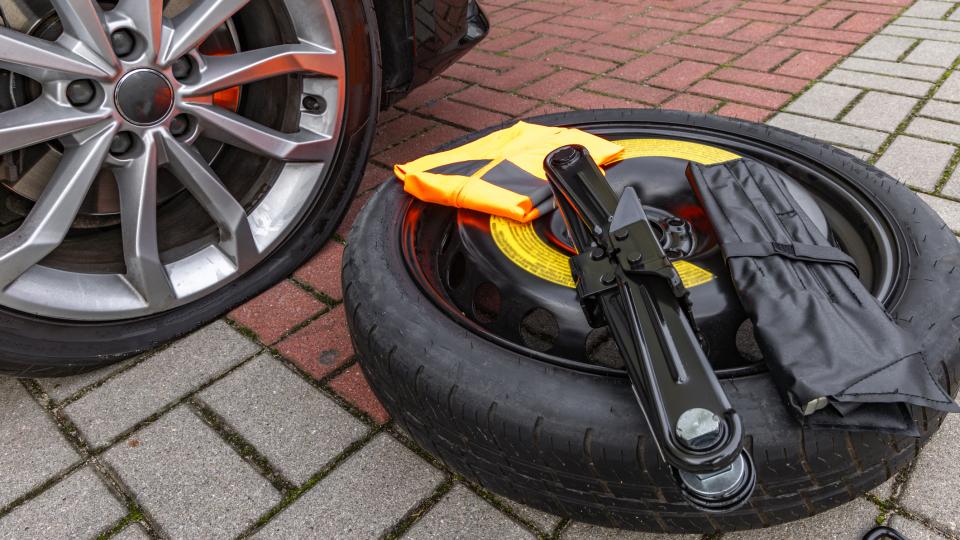
Roy Nesby expected a routine tire change after a pothole blew out a tire on his Ford Focus. Instead, an empty trunk turned a roadside setback into a larger consumer problem.
Sooner or later, we all get a flat tire. Until we do, we don't give much thought to our spare tire and jack. That's exactly what happened to Roy Nesby. When he hit a pothole and blew out his tire, that's the first time he looked in his trunk for the spare. And that's when he realized there wasn't one.
Key Takeaways
- A flat tire can become a larger roadside emergency when a vehicle lacks a spare tire, jack, or lug wrench.
- Drivers should confirm whether their vehicle uses a conventional spare, run flat tires, tire sealant, or roadside assistance.
- Run flat tires and tire sealant have limits and do not provide the same solution for every type of tire damage.
- Inspect the trunk and tire equipment before a trip or purchase instead of assuming the expected gear is included.
- Tire pressure, tread, sidewalls, and the source of a leak should be checked safely, with uncertain damage evaluated by a qualified technician.
Roy Nesby's roadside emergency began with a pothole
Nesby was out shopping when his Ford Focus hit a pothole, causing a flat tire and sudden tire damage. The impact left him facing the kind of problem many drivers expect to solve by opening the trunk and installing a replacement.
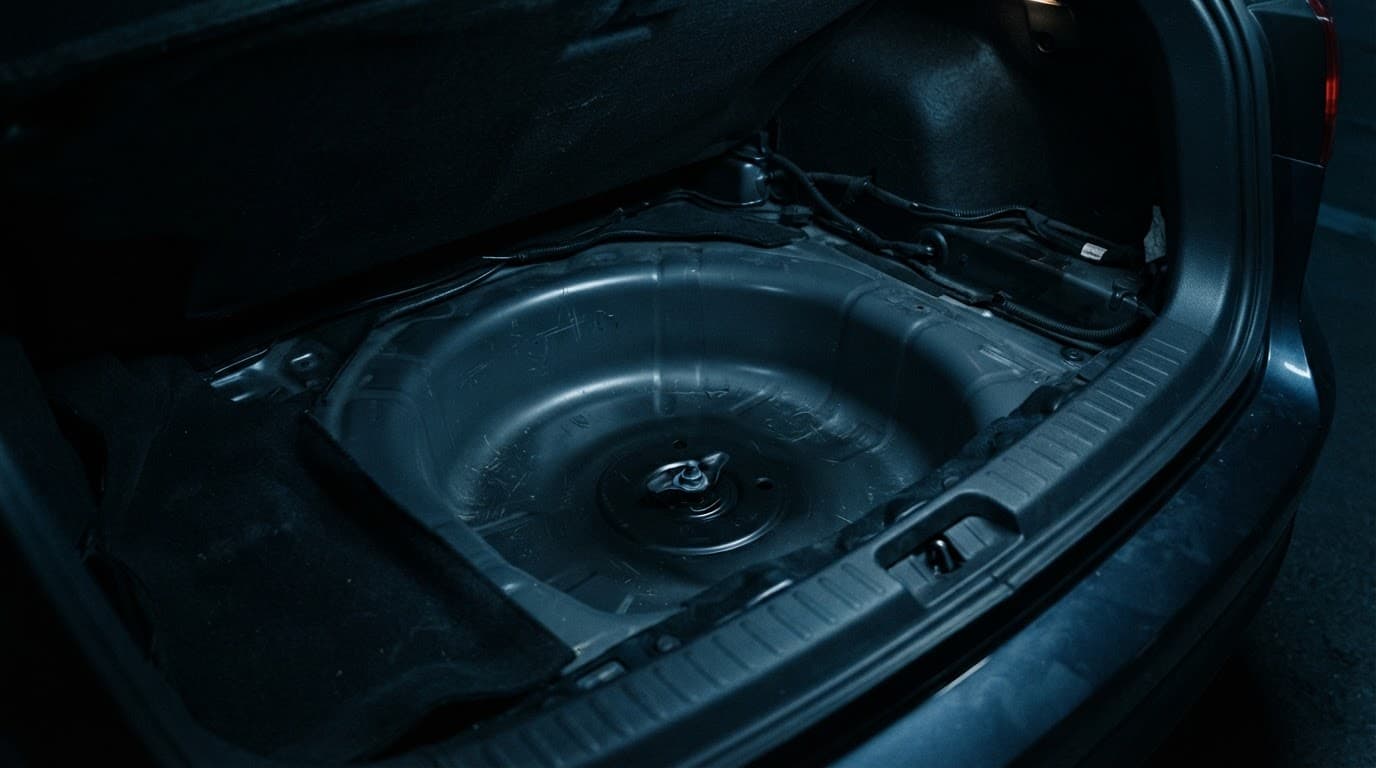
That expected sequence broke down immediately. Nesby opened the trunk and found no equipment to work with. The usual response to a flat tire was unavailable. His car had no way to change the tire.
Before inspecting anything, a driver should turn on the hazard lights to make the vehicle visible. Even run flat tires have operating limits and don't make it safe to drive indefinitely after a failure.
A pothole can appear on an ordinary errand, and a flat can turn up without warning. If the vehicle is safely parked away from traffic, soapy water may help locate escaping air, but roadside safety comes first. Visible tire tread alone cannot show whether the tire is safe to drive on. The missing equipment had likely gone unnoticed because it only became relevant when the tire failed.
The Ford Focus trunk had none of the expected gear
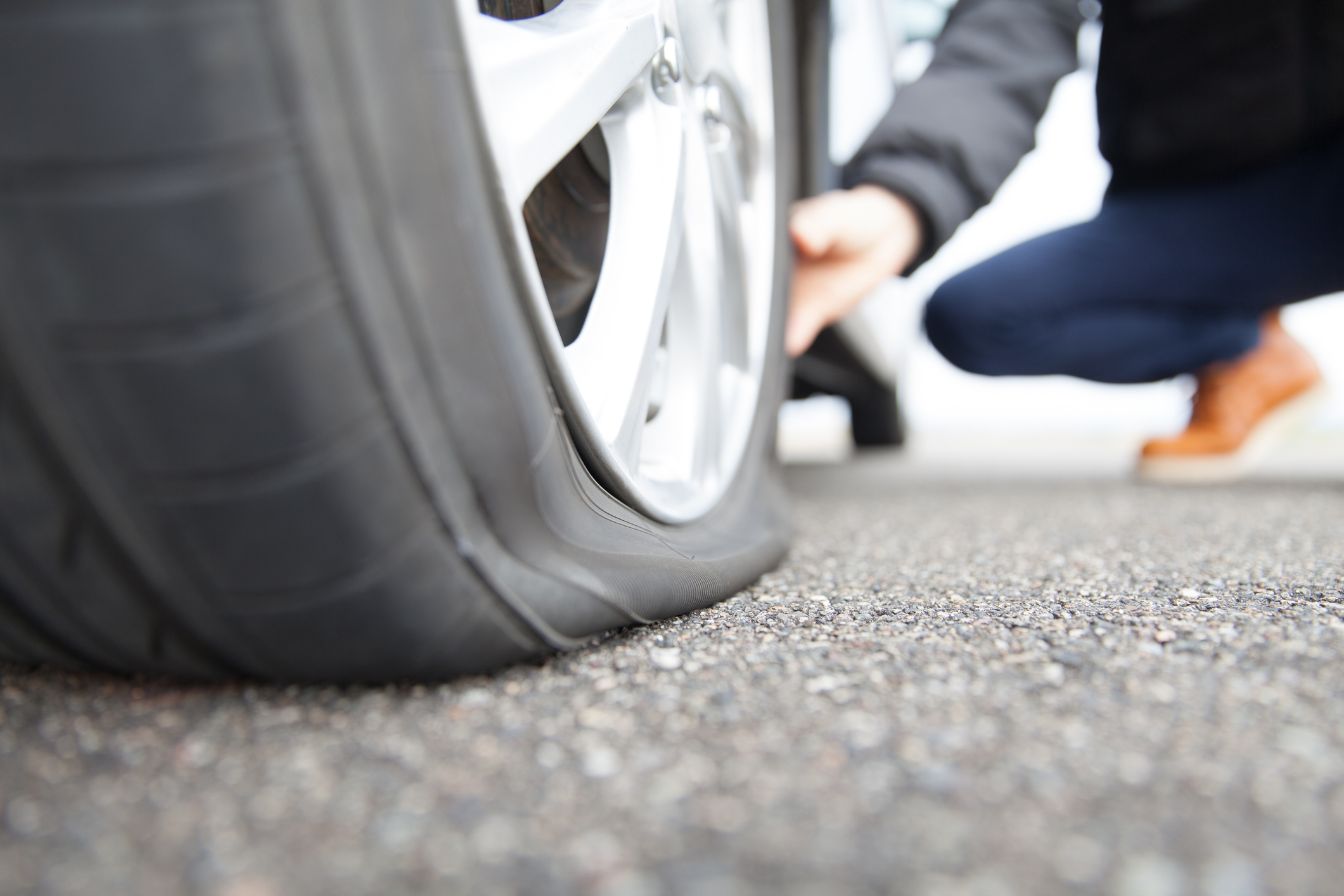
Nesby expected the basic parts needed to replace the damaged tire. Instead, the trunk held none of them:
- A spare tire to replace the damaged tire.
- A tire jack to lift the vehicle.
- A lug wrench, also known as a tire iron, to remove and tighten lug nuts.
Each item has a different job, but they work as a set. A replacement wheel alone doesn't solve the problem without a way to lift the car and remove it. Likewise, the lifting and removal tools cannot help without a replacement tire.
Tire sealant may provide an emergency option in some vehicles, but it cannot replace a complete wheel change. Run flat tires use built-in technology, which is different from carrying a spare and tools. When the vehicle is safely stationary, soapy water can help locate a slow leak, but it doesn't replace this equipment.
The episode puts the consumer lesson in plain view: drivers often discover what their vehicle lacks only after they need it.
The dealer's "as is" response
Nesby called the dealership where he bought the Ford Focus. He said the dealership told him it couldn't do anything because the car had been sold "as is."
The episode does not settle what that phrase means in every vehicle sale, but its point is narrower and more practical. A purchaser can assume basic emergency equipment is included, while a seller may treat the vehicle's contents as the buyer's responsibility to inspect. Buyers should also verify whether the vehicle relies on run flat tires rather than assuming conventional emergency equipment is included.
That gap can leave a driver stranded, turning a manageable tire repair into a larger roadside problem.
Why many newer vehicles leave out a spare
Roy's experience may not be unusual. The episode reports that nearly one-third of new cars no longer come with an extra tire.
Removing a spare tire and jack may cut as much as 50 extra pounds from a vehicle, according to the episode.
The explanation offered is fuel economy. Regulatory pressure to get more miles from each gallon has pushed manufacturers to reduce vehicle weight where they can. Maintaining proper tire pressure can also support fuel economy, but it does not replace emergency equipment.
Weight savings and roadside assistance
Some vehicles use run flat tires instead of a conventional spare, allowing limited travel after air loss. Others include tire sealant for temporary use, although sealant may not suit every failure.
A tire pressure monitoring system can warn drivers about pressure loss. It cannot replace physical equipment or prevent every failure.
| Preparation option | What it provides |
|---|---|
| Conventional tire, jack, and lug wrench | Equipment to change a damaged tire |
| Run flat tires | Limited travel after certain types of air loss |
| Tire sealant | A temporary option for some small leaks |
| Roadside assistance | Help from a service or another person |
Run flat tires still have distance and speed limits, so drivers may need help quickly. A soapy water check can help locate some leaks, but it is not a substitute for proper equipment.
Neither equipment nor roadside assistance guarantees a quick resolution. Yet knowing which option is available prevents the surprise Nesby faced.
A short trunk inspection can prevent Roy's surprise
A vehicle's actual equipment matters more than its model name or general assumptions. Before a trip or purchase, inspect the vehicle directly, especially if it has a flat tire.
Drivers should confirm:
- Whether the car has a spare tire, tire sealant, or run flat tires.
- Whether a tire jack and tire iron are stored with the wheel-change equipment.
- Whether run flat tires are installed and have pressure-loss warnings or usage limits.
A hard pothole was enough to cause Nesby's flat tire. The empty trunk made that damage more frustrating. Check the equipment before it's needed.
In a safe location, inspect the tire tread, sidewall, valve stem, and wheel rim for problems. If a slow leak is suspected, apply soapy water around the source, then watch for bubbles in the soapy water. Compare a manual reading with the tire pressure monitoring system. An air compressor may restore pressure when appropriate, while a plug kit or tire sealant may offer a temporary option. Neither replaces professional tire repair, and puncture repair may not be safe for sidewall or major damage.
Even run flat tires require pressure-loss awareness and have usage limits. A service station or qualified technician should assess uncertain tire conditions before driving safely. The same questions belong in a purchase conversation: What comes with the car, and is it physically present in the storage area? A verbal expectation doesn't replace an inspection.
Frequently Asked Questions
What should I do first when I get a flat tire?
Turn on the hazard lights and move the vehicle to a safe location away from traffic if possible. Do not continue driving indefinitely, even if the vehicle has run flat tires.
How can I tell whether my car has a spare tire?
Inspect the trunk, spare tire well, and storage compartments for a spare, jack, and lug wrench. The owner's information can also confirm whether the vehicle uses a conventional spare, run flat tires, or tire sealant.
Can tire sealant replace a spare tire?
Tire sealant may provide a temporary option for some small leaks, but it cannot address every type of tire damage. It does not replace professional repair or a complete wheel-change setup.
How far can I drive on run flat tires?
Run flat tires allow limited travel after certain types of air loss, but they have specific speed and distance limits. Drivers should check the vehicle and tire instructions and seek service as soon as it is safe.
What should I check before buying a used car?
Ask what emergency equipment comes with the vehicle, then physically inspect the trunk to confirm it is present. Also verify the tire type, pressure-loss warnings, and any usage limits that apply.
The equipment question comes first
Roy Nesby's flat tire began with a pothole, but the missing spare tire left no easy answer. As vehicle makers reduce weight and more motorists rely on roadside assistance, trunk contents cannot be assumed. Run flat tires and tire sealant offer alternatives, but each has limitations that should be checked before travel.
The lasting point is simple: vehicle equipment has to be checked, not presumed. A brief inspection can confirm available options, tire tread, and basic leak-check aids such as soapy water before a trip.