

Spring has a habit of making homeowners notice what winter helped hide. The first warm afternoon hits, the thermostat drops, and suddenly the air conditioner sounds rougher than you remembered or the house takes longer to cool than it should. That’s usually the moment people realize their HVAC system didn’t quietly stay ready on its own.
This second installment in our Spring Into Action series walks through why spring is the smartest time to schedule HVAC maintenance, what a professional checkup should actually cover, and how early service can help you avoid the scramble that comes with the first serious heat wave. A little planning now can make the hottest stretch of summer feel far less dramatic.
The Season Before the Surge
There’s a practical reason HVAC companies urge homeowners to act in spring: once outdoor temperatures spike, service calendars fill fast. At that point, technicians are no longer handling mostly routine tune ups. They’re chasing emergency no cooling calls, failed capacitors, frozen coils, and systems that finally gave up when they were needed most.
That shift matters for homeowners because timing affects more than convenience. When your system fails in peak heat, you’re not booking a preventive visit anymore. You’re competing for urgent service alongside everyone else whose unit chose the same brutal week to quit. Spring maintenance helps you step around that rush. It gives a technician time to catch smaller issues while they’re still smaller, which is where the real value lives.
ENERGY STAR recommends annual pre season checkups, noting that contractors get busy once summer and winter arrive, so it’s best to check the cooling system in spring and the heating system in fall. That guidance lines up with what experienced homeowners already know: waiting rarely improves your options. (ENERGY STAR Maintenance Checklist)
What a Real Tune Up Should Cover
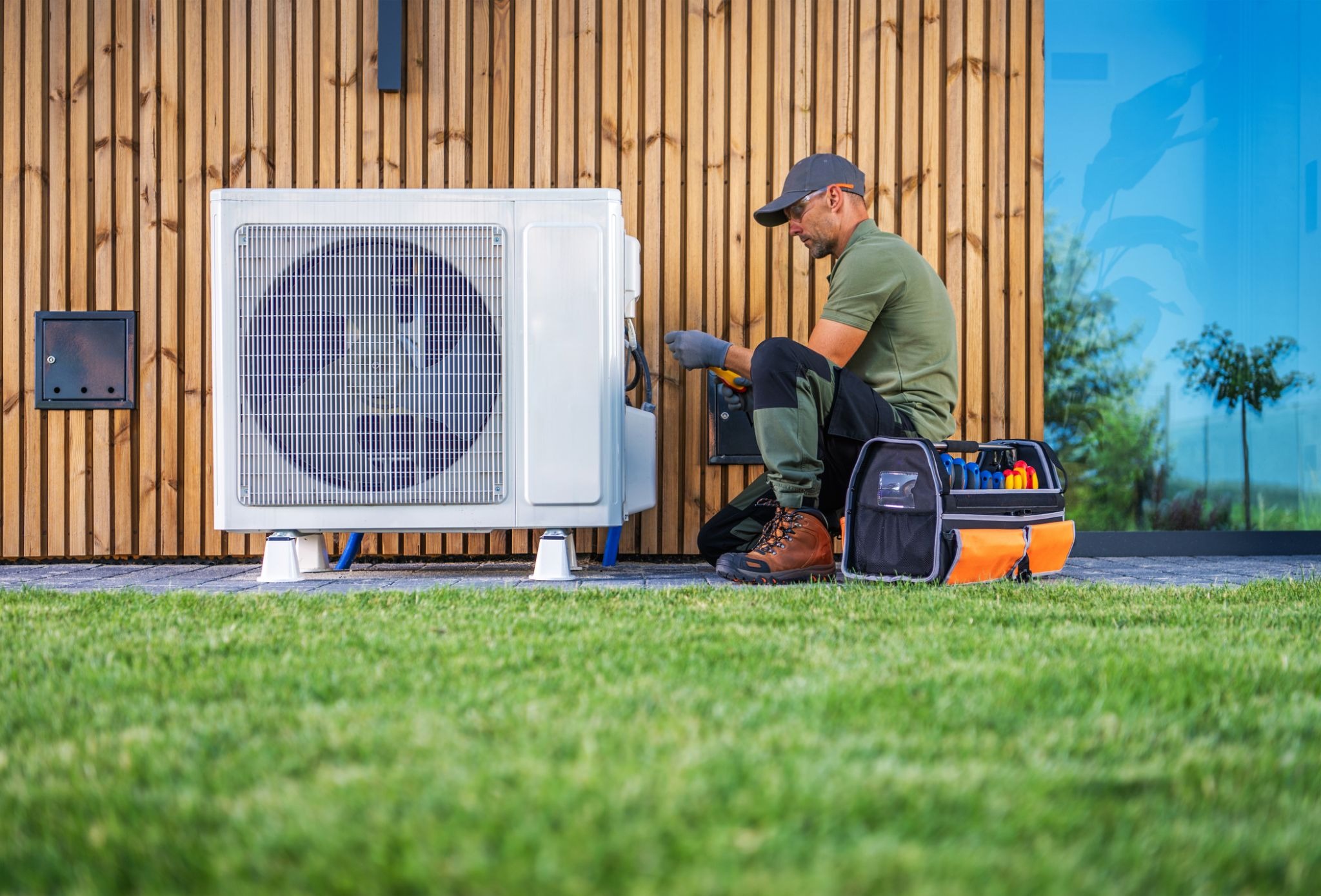
A proper HVAC maintenance visit should feel thorough, not theatrical. You’re not paying for someone to glance at the thermostat, swap a filter, and disappear. A qualified technician should inspect the system’s major operating components, test performance, and look for signs of wear that could turn into expensive trouble once the system starts running hard every day.
That usually includes checking the thermostat operation, inspecting electrical connections, measuring refrigerant performance, cleaning or evaluating coils when needed, examining the condensate drain, testing system cycling, and looking over blower components and moving parts. Airflow matters too. Even a strong system can struggle if airflow is restricted by a dirty filter, blocked returns, or buildup that forces the equipment to work harder than necessary.
The U.S. Department of Energy emphasizes that regular maintenance of an air conditioner’s filters, coils, and fins is essential for efficient performance and warns that neglect leads to declining performance and increased energy use. In plain language, a system that’s ignored often costs more to run while doing a worse job cooling the house. (U.S. Department of Energy, Air Conditioner Maintenance)
Comfort Isn’t Just About Cold Air
Homeowners often define HVAC performance too narrowly. If cool air is coming out of the vents, they assume everything’s fine. In reality, comfort is more layered than that. A well maintained system should cool evenly, manage humidity, cycle properly, and keep the house from developing hot spots that make one room feel pleasant and another feel abandoned.
Spring service gives you a chance to address those nagging comfort issues before they become daily aggravations. Maybe the upstairs gets sticky every afternoon. Maybe one zone never seems to catch up. Maybe the system runs constantly but still leaves the house feeling muggy. Those symptoms don’t always mean you need a full replacement. Sometimes they point to airflow problems, calibration issues, maintenance needs, or aging components that need attention before summer strain exposes them further.
This is also the right time to ask better questions. Is your current filter the right fit for the system? Are your returns unobstructed? Is your thermostat helping or hurting efficiency? Are there signs the system is working harder than it should? Good service isn’t just mechanical. It should give you useful answers.
Why Waiting Gets Expensive Fast
The biggest mistake homeowners make with HVAC systems is treating maintenance as optional until failure makes it unavoidable. That mindset can turn a manageable service call into a much larger repair, especially once the system is under peak summer load.
There’s also the stress factor. No one wants to troubleshoot a failing air conditioner during the first stretch of ninety degree weather, especially when the house won’t cool down at night and every available appointment seems to be three neighborhoods away and two days too late. Spring maintenance lowers the odds of that scenario and gives you more control over timing, budget, and decision making.
Stay Ahead of the Heat
Spring is your opening, and smart homeowners use it. A seasonal HVAC check can help protect comfort, reduce the risk of surprise breakdowns, and put your system in a better position before the hottest months arrive.
If your cooling system hasn’t been checked yet, now’s the time to move. Visit TrustDALE.com to connect with a trusted HVAC provider and get your home ready before the heat rolls in.