

This next blog in the Spring Into Action series focuses on one of the most important parts of the home to check after winter: the roof. By the time spring arrives, many homeowners are ready to move on from cold weather, but the roof may still be carrying the effects of months of wind, rain, temperature swings, and rough seasonal wear. What makes roofing issues tricky is that they do not always announce themselves clearly at first.
That is exactly why spring is such a smart time to pay attention. In this blog, you’ll learn what winter weather can leave behind, which warning signs deserve a closer look, why it pays to handle repairs before spring storms intensify, and when it makes sense to bring in a roofing professional for a proper evaluation.
Signs Homeowners Shouldn't Ignore
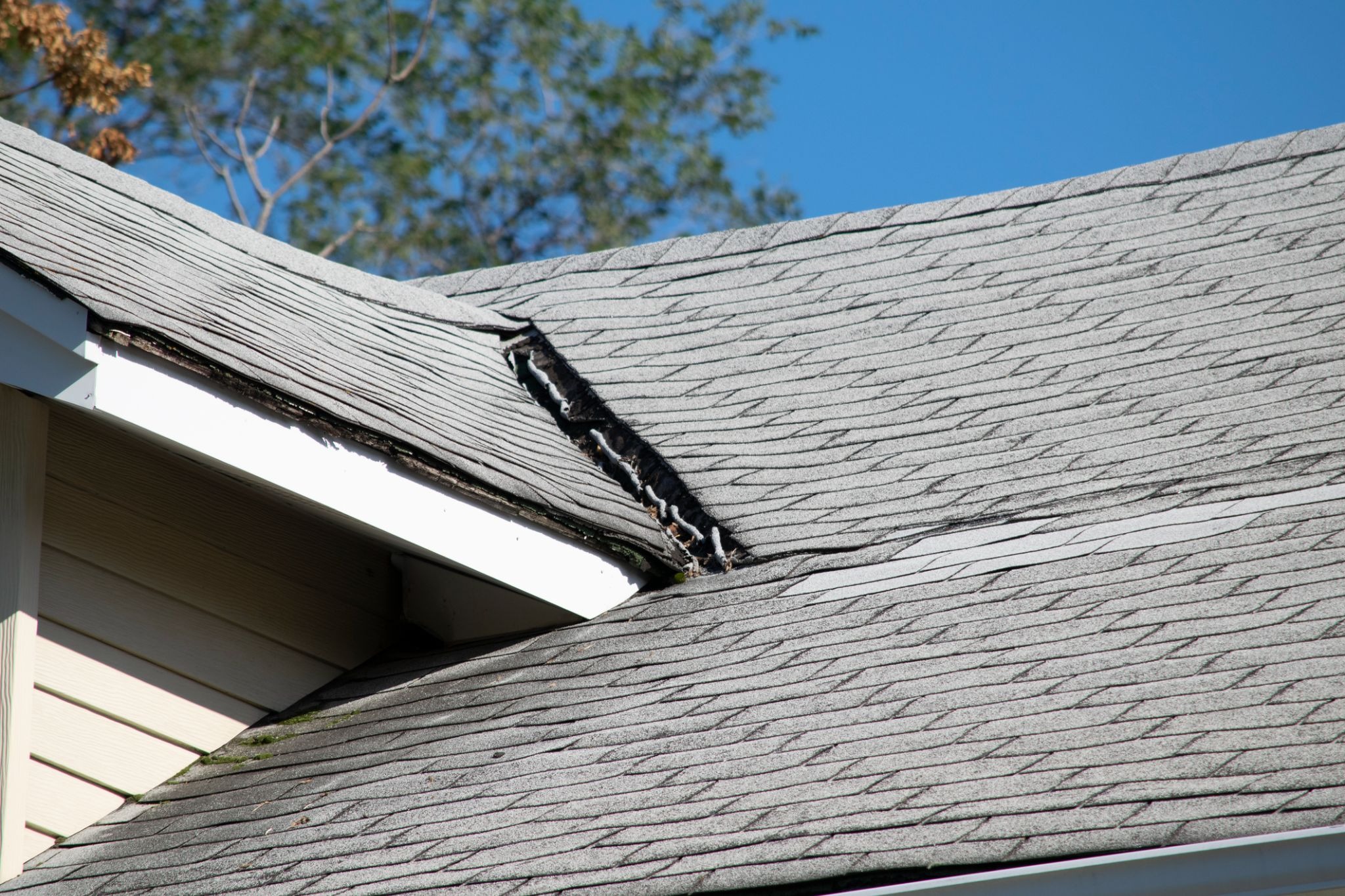
Post-winter roof inspections are important because roofing systems absorb a great deal during colder months. The wind can lift up edges, rain can exploit vulnerable seams, and constantly fluctuating temperatures can all stress materials in different ways. Just because the roof looks good from the ground, doesn’t mean there isn’t enough damage to justify prompt repairs before spring weather picks up.
First of all, a roof doesn’t have to be falling into your living room to mean it’s in trouble. Some of the earliest signs are smaller and easier to miss unless you know what to watch for. Missing or cracked shingles are the obvious concern, of course. But have you checked for any curling edges, granules collecting in gutters, damp spots in the attic, discolored ceiling patches, or unexplained moisture near vents or skylights?
Spring is when many homeowners notice these kinds of issues, especially around the edges of the system. Specifically, it might be that the gutters are pulling away, or the fascia may look worn, or water may not be draining as cleanly as it should. These clues matter, because the roof doesn’t work best on its own. It actually relies on surrounding components to move water off the house properly. When one part starts failing, the others often feel the strain soon after.
Spring Repairs Matter More Than People Think
There is a practical temptation to put roof repairs off for another month or two, especially if the damage seems minor. The trouble is that spring can be… dramatic? April showers being May flowers, but in many areas, it also brings week-by-week temperature differences, stronger storms with heavier rain, maybe even hail. That’s the kind of weather that can literally infiltrate every weak point of your roof. A small repair in early spring can be far easier, and far less expensive, than a larger repair that follows a season of delay.
Timing is a big part of it too. Once a roof starts letting in water, the damage can spread beyond the roofing materials themselves. Underlayment, decking, insulation, and even interior finishes may be affected. At that stage, the issue stops being a straightforward roof repair and starts becoming a broader home repair problem. Catching issues early helps keep the scope where it belongs.
A Roof Inspection Is About More Than Shingles
One of the biggest mistakes homeowners make is reducing roof health to what they can see from the driveway. Shingles matter, of course, but so do flashing details, sealants, ventilation points, valleys, pipe boots, and other transition areas that often fail first. A proper spring assessment takes the whole roofing system into account.
That’s especially important after winter, since seasonal wear and tear isn’t always distributed evenly. For example, while one section of the roof may be completely fine, another section may have taken the brunt of high winds or poor drainage. Professional roofers know where these vulnerabilities tend to show up and how to distinguish cosmetic wear from damage that could shorten the life of the roof or raise the risk of leaks.
When It Is Time to Call a Roofing Pro
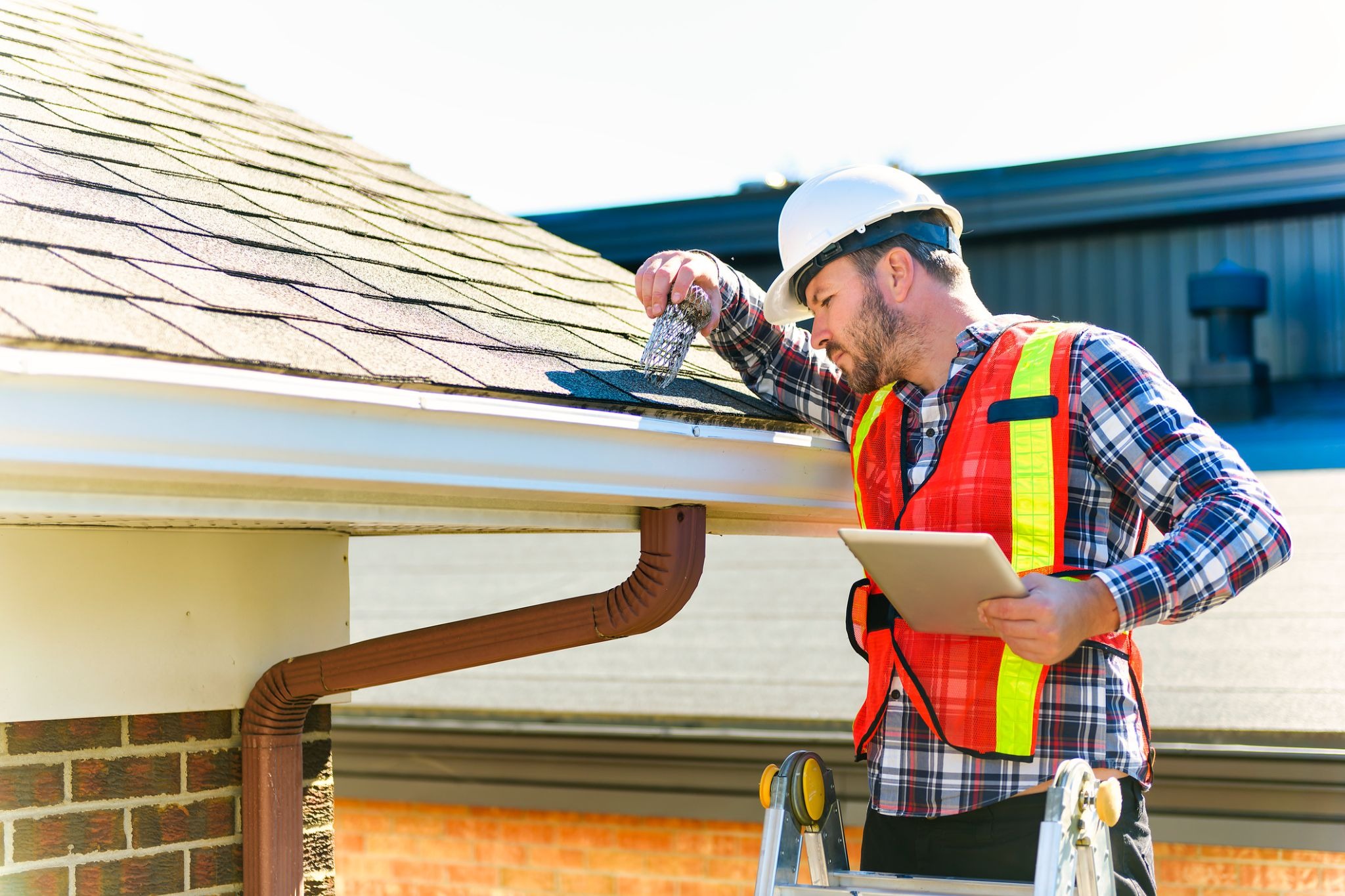
Homeowners can and should stay alert to visible warning signs, but please keep in mind that roofing is not a casual DIY project you can learn from an online video. Walking a roof without the right experience and safety equipment can create serious risk, and guessing wrong about the condition of the system can be costly (in more ways than one). Spring is a good time to bring in a qualified roofer if you suspect winter storm damage, if you’ve seen signs of moisture indoors, or if your roof is just due for a closer look after a rough season.
A good roofing professional points out problems and then helps homeowners understand differences in urgency, preventative maintenance guidelines, and what may need to be monitored over time. That clarity allows you to make decisions based on the actual condition of the roof, not anxiety or sales pressure. This is one of the most important parts of your home, so honest assessment matters just as much as repair skill.
Handle the Small Problems Before Spring Makes Them Bigger
Spring roof repair is really about timing and attention. Winter weather may have left behind damage that looks minor now, but may not stay that way once spring storms start to test the system again. Loose shingles, hidden leaks, and weakened flashing are easier to manage when they are caught early.
As the Spring Into Action series continues, this is one task that deserves a closer look before the season gets busier. If your roof took a beating over the winter, now is the time to act. A TrustDALE certified roofing professional can help identify damage, make needed repairs, and give your home a better chance of staying protected through the storms ahead.