
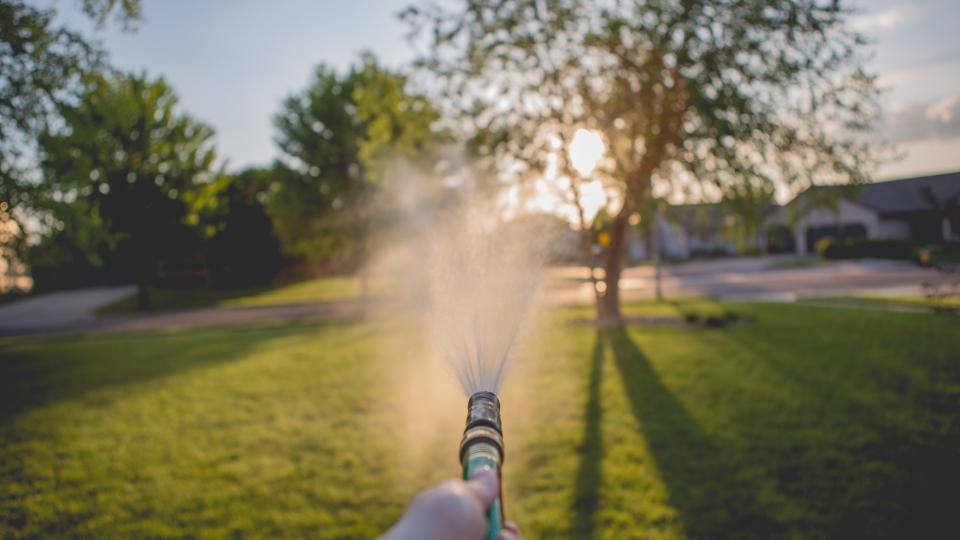
Intense heat can dry soil, scorch leaves, weaken turfgrass, and kill new plantings before you realize there is a problem. To protect your landscaping from intense summer heat, you need more than a longer sprinkler schedule.
Homeowners, property managers, and business owners get better results when landscape design matches plants and irrigation to each site's conditions. This water-smart landscaping approach supports sustainable landscaping, but care differs for trees, shrubs, containers, and planting beds. Start before the next heat wave with targeted watering, mulch, and shade, then inspect vulnerable plants every few days.
How to Protect Your Landscaping From Intense Summer Heat
A heat plan starts with four basics: water roots deeply, keep soil covered, reduce harsh afternoon exposure, and avoid work that adds stress. Skip unnecessary fertilizer during extreme heat, and don't treat a property as one watering zone.
Use hydrozones to group turfgrass, containers, trees, and ornamental beds by similar water and sun requirements. A newly planted hydrangea near a brick wall needs a different schedule than established turfgrass in an open area. Likewise, a sunny parking-lot island may need closer attention than shrubs growing beneath mature trees.
Site-appropriate native plants can support pollinators and handle local conditions well. Drought-tolerant plants may also fit certain beds, while xeriscaping can reduce exposed soil and irrigation needs when planned carefully. Shade trees can protect nearby plants, but every selection still needs water during establishment.
Water deeply and early instead of watering a little every day
Water in the early morning, when evaporation is lower and foliage can dry after irrigation. Apply water slowly enough to soak into the root zone rather than racing across pavement, mulch, or compacted soil.
Use drip irrigation for targeted delivery in beds, containers, or around individual trees. Check moisture several inches below the surface before adding water. A dry-looking top layer doesn't always mean roots need irrigation. Damp surface soil can also hide dry conditions deeper down.
According to the U.S. Environmental Protection Agency, WaterSense watering tips include adjusting irrigation schedules for weather and using a WaterSense-labeled irrigation controller when appropriate. Check sprinkler heads for clogs, broken parts, leaks, and overspray onto sidewalks before relying on an automatic timer.
Frequent, shallow watering trains roots to stay near the surface, where heat can dry the soil fastest.
Use mulch and shade to keep roots cooler
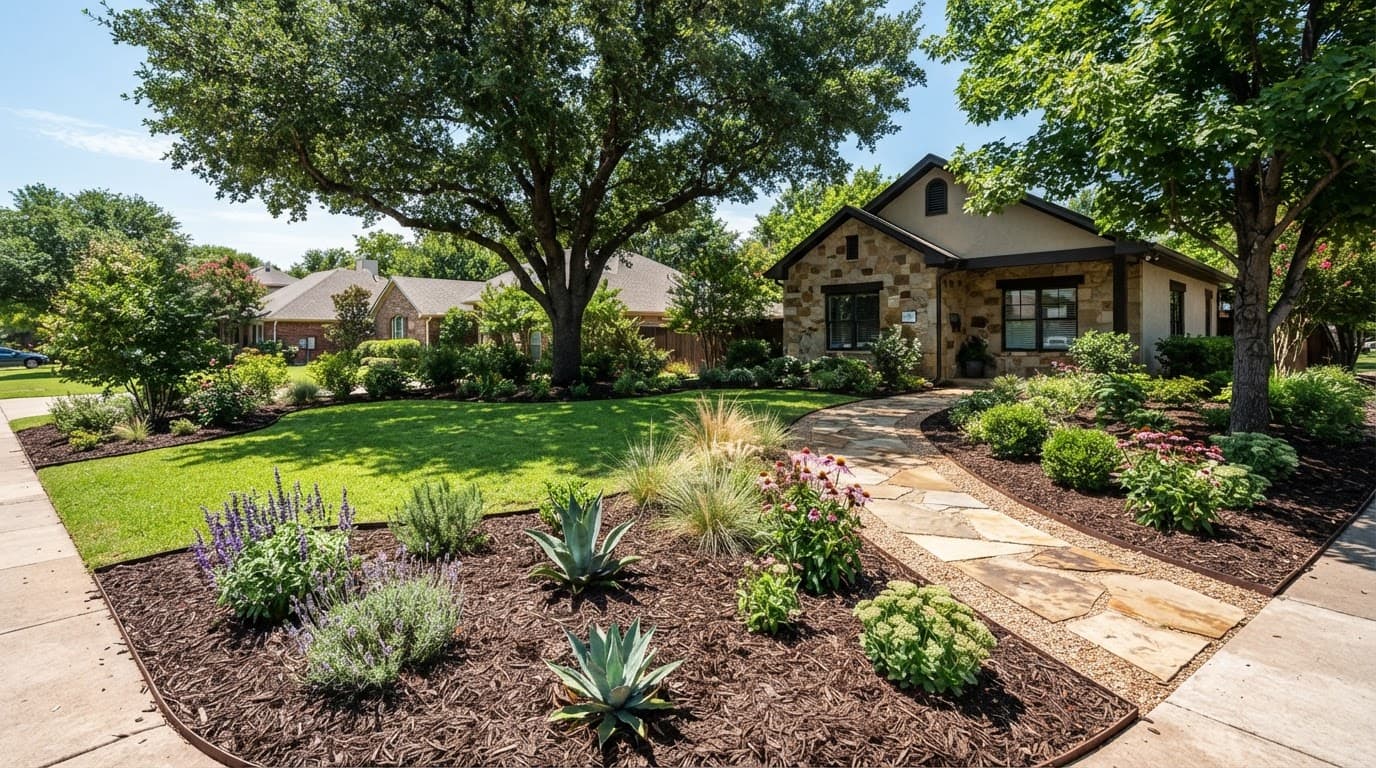
Apply a 2- to 3-inch layer of organic mulch around beds and trees. Shredded bark, pine straw, or untreated wood chips reduce moisture loss, moderate soil temperature, and limit weeds that compete for water. A thin compost layer beneath suitable mulch can also support soil health.
Where appropriate, choose ground cover to reduce bare, heat-exposed soil and conserve moisture. Keep mulch several inches away from trunks and plant stems. A mulch pile against bark can hold excess moisture, encourage rot, and give pests a protected place to hide.
Young trees, recent plantings, and tender ornamentals often need temporary afternoon shade. Use shade cloth, a patio umbrella, or a properly placed shade structure during the hottest hours. Remove or adjust coverings often enough to preserve airflow and avoid trapping heat.
Set Up Irrigation Zones Before a Heat Wave
An irrigation system can waste water when landscaping combines incompatible plantings in one zone. Turfgrass, annual beds, containers, trees, and shrub borders rarely need identical run times. Separate hydrozones by plant type and water demand.
Walk the property while the system runs. Look for spray striking walls, pavement, cars, or storefronts. Then check for dry turfgrass areas caused by blocked heads, low pressure, overspray, or roots that shifted sprinkler alignment.
Compare turfgrass coverage across the property before changing the schedule. Uneven coverage often points to a distribution problem rather than insufficient run time.
Can landscaping survive extreme heat without an irrigation system?
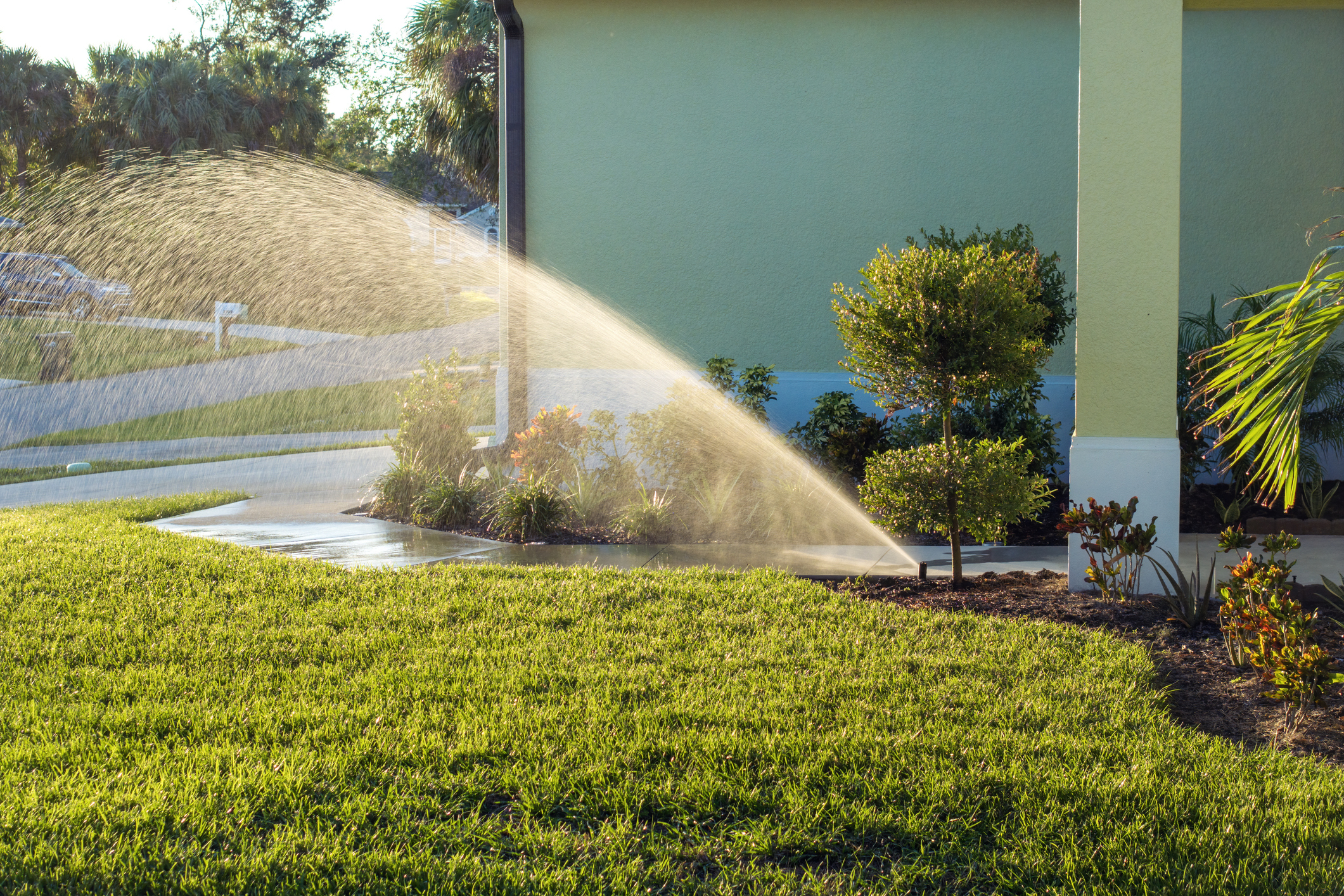
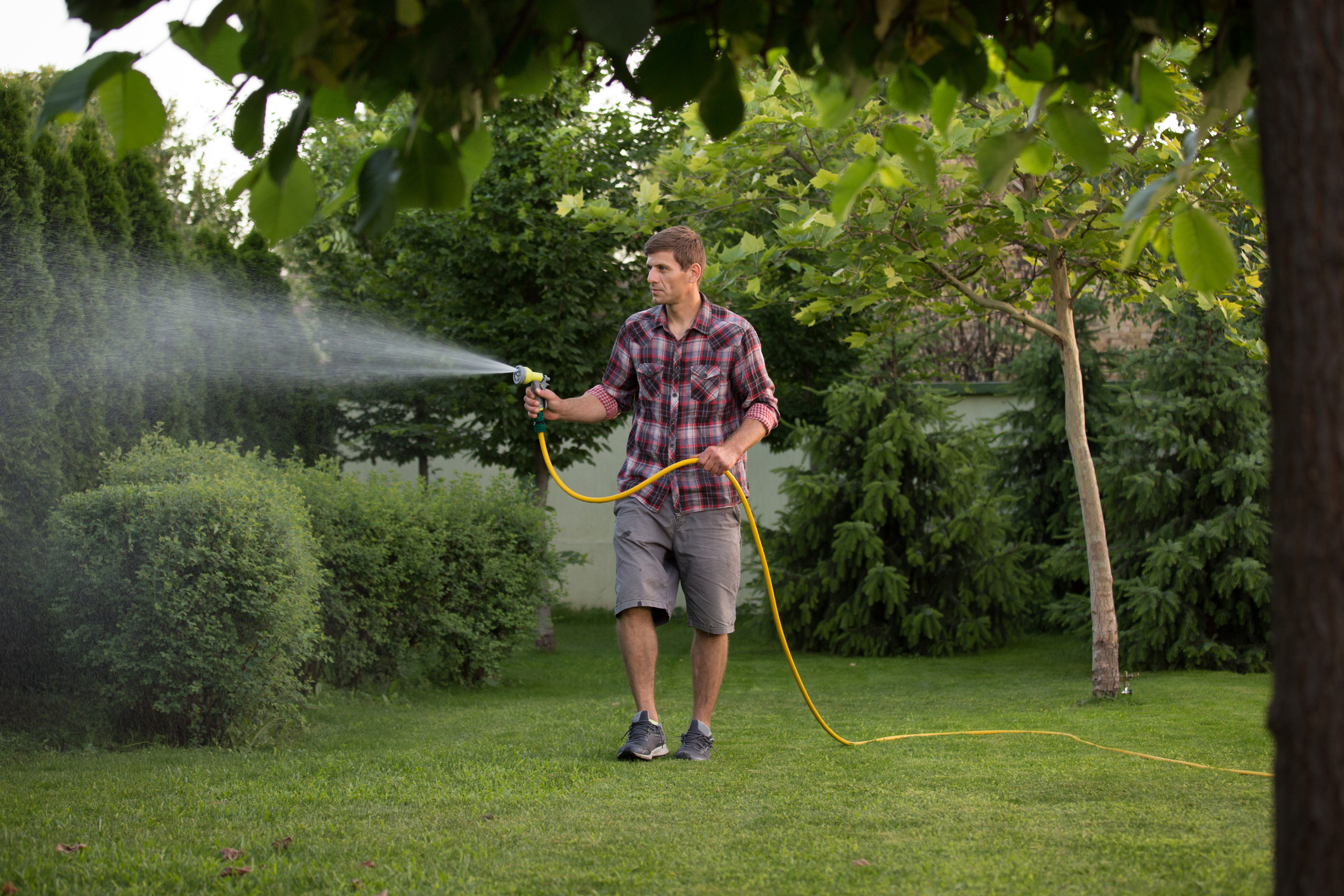
Yes, provided you water manually and consistently. Use a hose with a shutoff nozzle, watering wand, soaker hose, or manually operated drip irrigation.
Water slowly in the early morning and check moisture at root depth. Prioritize new plantings, trees, containers, and exposed beds. Mulch and temporary shade can also reduce water demand.
Manual watering is less reliable across large properties, during extended absences, or when extreme heat lasts for weeks. A simple rainfall and watering log can help you maintain a consistent routine.
Check water flow and drainage together
More water isn't always the answer. Poor grading, compacted soil, root disease, and a broken line can all cause wilted foliage. If water pools after a normal cycle, inspect the grading and irrigation settings before increasing run time.
A retaining wall can change how water moves through a bed. If the source is confirmed, a French drain may help, but it should follow a proper site assessment.
The EPA's guidance on efficient landscape watering warns that overwatering can lead to shallow roots, weeds, disease, and fungus. Stormwater runoff also means water is moving away before roots can use it.
For sloped beds, use shorter cycles with a pause between them. This soak-and-cycle approach gives water time to enter the soil, limits stormwater runoff, and helps prevent erosion.
A rain garden can manage water in an appropriate low area. A rain garden also needs suitable soil, overflow planning, and a location away from foundations.
Keep a simple rainfall and watering log
Record rainfall, irrigation days, unusual heat, and visible stress. A short log helps you find patterns, such as a timer running after heavy rain or a tree that dries faster beside reflective pavement.
For commercial sites, assign one person to verify timer changes and document inspections. That simple record can prevent missed adjustments after power outages, irrigation repairs, or seasonal schedule changes.
Choose Heat-Tolerant Plants and Maintain Them for Less Stress
Plant selection determines how much intervention you will need during a heat wave. Good landscape design accounts for winter hardiness, sun exposure, mature size, root space, reflected heat, site grading, and poor drainage.
The USDA Plant Hardiness Zone Map helps you identify perennial plants likely to survive average annual extreme winter temperatures in your location. However, a zone rating does not promise that a plant will tolerate hot pavement, compacted soil, or a dry first summer.
Replace thirsty plants with native and drought-tolerant choices
Native plants and drought-tolerant plants can reduce supplemental watering after they establish. Still, neither category means no water. New plants need consistent care while roots spread into surrounding soil, often through their first growing season.
Xeriscaping combines suitable plants, efficient irrigation, soil coverage, and reduced lawn areas. It does not mean eliminating water from the landscape. Appropriate soil preparation, including compost where suitable, also supports soil health before planting.
Choose plants for the exact bed rather than copying a generic plant list. A species that handles full sun in well-drained soil may fail in a damp, shaded corner. A rain garden needs plants suited to wet or seasonally inundated conditions. Ask a local nursery or qualified landscaper for regionally suitable flowering plants that support pollinators.
Avoid buying plants already showing wilt, leaf spots, girdling roots, or a root ball packed tightly into a pot. Those issues make heat recovery harder.
Some of the best drought-tolerant choices for landscaping include native perennials, ornamental grasses, and heat-resistant shrubs that thrive with minimal supplemental water once established. Excellent options depend on your local climate, but pairing regional native species with efficient drip irrigation helps reduce stress during dry spells. Always ensure new selections receive consistent moisture through their first growing season before relying entirely on their drought-resistant traits.
Protect lawns, trees, shrubs, and container plants differently
Raise the mower height during hot, dry weather so turfgrass blades shade the soil. Use a lawn mower carefully, and never remove more than about one-third of the blade at one mowing. Scalping turfgrass exposes crowns and soil to more heat, while exposed turfgrass recovers slowly.
For compacted areas, consider aeration in fall or during moderate weather, never during extreme heat. Apply fertilizer to turfgrass only when weather, soil conditions, and label guidance support it. Don't apply fertilizer automatically to newly installed or heat-stressed plants unless a qualified professional recommends it.
Water established trees slowly around the root zone, not against the trunk. Focus beyond the trunk flare, where absorbing roots extend outward. Check shrubs for wilt and leaf-edge scorch, especially those near walls or driveways.
Containers need special attention because their root zones heat up and dry out quickly. Check them more often, use adequately sized pots with drainage holes, and shift sensitive containers into afternoon shade when possible. Don't fertilize a heat-stressed plant unless a qualified professional recommends it.
Spot Heat Damage Early and Avoid Costly Landscaping Mistakes
Heat stress can look like disease, insect damage, overwatering, or irrigation failure. If you react by watering everything heavily, you can worsen root problems and lose more plants.
Look closely before changing a schedule. The first check should be soil moisture at root depth, followed by a visual inspection of plant bases, leaves, irrigation coverage, and nearby hard surfaces.
Know the warning signs of heat and drought stress
Watch for drooping leaves, curled margins, dry or cracked soil, brown turfgrass patches, leaf scorch, premature leaf drop, and stalled growth. Turfgrass may wilt during peak afternoon heat and recover after sunset. Persistent morning wilt is more serious.
Inspect the base of affected plants for buried stems, standing water, chewed bark, insects, or fungal growth. Newly planted trees, costly ornamentals, and beds beside dark pavement or south-facing walls need prompt attention because those locations hold and reflect heat.
Also check grading to see whether slope or surface flow directs heat or water toward the affected bed. Exposed soil or erosion near an overwhelmed rain garden can indicate a site-flow problem, not simply a need for more irrigation.
If only one irrigation zone serving turfgrass shows symptoms, test that zone first. Compare affected turfgrass with nearby areas before changing the entire schedule. A damaged valve, clogged head, or timer error is more likely than a sudden need to double water across the entire property.
Avoid pruning, planting, and fertilizing at the wrong time
Postpone heavy pruning during extreme heat whenever you can. Removing a large amount of foliage reduces shade for bark and leaves plants with fewer resources to recover. Limit mowing and lawn mower traffic as well, since equipment can add stress to heat-damaged areas.
Delay major planting projects until weather moderates. If a project cannot wait, water new plants carefully, apply mulch correctly, and provide temporary shade where needed. Follow all fertilizer and herbicide labels, and never apply chemicals to visibly wilted plants during peak heat.
Watering at midday is also a poor habit. Although an emergency drink may be necessary for a severely stressed plant, routine midday irrigation loses more water to evaporation and can leave you with wet leaves during hot conditions.
Build a Summer Landscaping Plan You Can Trust
Inspect the property for heat tolerance. Test irrigation zones, measure mulch depth, and look for poor drainage. Trace water from downspouts and paved areas before approving any landscape work. Tighten or replace tree supports that rub bark, and identify recent plantings or beds exposed to reflected heat.
For a commercial property, inspect high-traffic turfgrass, large planted medians with turfgrass, irrigation timers, areas near buildings, and beds around parking lots. Parking-lot islands often receive extra heat from pavement and vehicle traffic. They may also concentrate stormwater runoff and contribute to erosion on nearby slopes or beds. A rain garden may suit a residential or commercial drainage area, but its location and overflow path require professional evaluation.
Use sustainable landscaping principles by combining suitable plants, efficient watering, healthy soil, and runoff control. If plants need replacement or a bed needs redesign, xeriscaping may be one option, but it isn't right for every site.
A practical inspection list includes:
- Run every irrigation zone and photograph leaks, broken heads, dry spots, and overspray.
- Check mulch depth and pull material back from tree trunks and plant stems.
- Mark newly planted trees, containers, and plants near walls or pavement for frequent checks.
- Record rainfall, watering changes, fertilizer applications, and recurring turfgrass trouble spots before they become plant-loss claims.
When should you hire a professional landscaper?
Bring in a professional when you have widespread plant loss, large trees, steep slopes, complex irrigation, poor drainage, or extensive commercial beds. Those conditions can hide root, grading, and water-distribution problems that a quick visual check will miss.
Ask for a written scope of work, plant list, watering plan, maintenance schedule, fertilizer timing and responsibility, proof of insurance, references, and warranty terms. Compare at least three detailed estimates. Also ask who will perform the work, whether irrigation repairs are included, and what happens if installed plants die.
You can take the guesswork out of finding a reliable, skilled landscaper at TrustDale.com, where certified TrustDale partners have already passed our rigorous seven-point inspection process and are backed by our $10,000 Make It Right Guarantee..
Frequently Asked Questions
How often should I water my landscaping during extreme heat?
Water deeply in the early morning when the soil is dry at root depth. Adjust the schedule for rainfall, soil type, plant maturity, and exposure rather than watering every area for the same amount of time.
Is mulch helpful during a summer heat wave?
Yes, a 2- to 3-inch layer of organic mulch helps retain moisture, moderate soil temperature, and reduce weeds. Keep mulch several inches away from tree trunks and plant stems to help prevent rot and pest problems.
Should I fertilize heat-stressed plants?
Avoid applying fertilizer automatically during extreme heat or to visibly wilted plants. Fertilize only when weather, soil conditions, and label directions support it, or when a qualified professional recommends treatment.
How can I tell whether a wilted plant needs more water?
Check soil moisture several inches below the surface before changing your irrigation schedule. Persistent morning wilt, dry root-zone soil, and poor irrigation coverage may indicate water stress, while pooling water or constantly wet soil can point to drainage or root problems.
When should I hire a professional landscaper?
Hire a professional for widespread plant loss, large trees, steep slopes, complex irrigation, poor drainage, or extensive commercial beds. Request a written scope of work, watering plan, maintenance schedule, proof of insurance, references, and warranty terms before hiring.
Keep Your Property Ready for the Next Heat Wave
To protect your landscaping from intense summer heat, water deeply in the morning, cover exposed soil with mulch, add shade where needed, and keep turfgrass at a healthy mowing height. Don't apply fertilizer automatically during extreme heat. Inspect plants, irrigation, and turfgrass often for leaks, blocked sprinklers, or slow recovery.
Early preparation usually costs less than replacing dead trees, rebuilding beds, or repairing stressed turf. Begin with a walk-through inspection before the next stretch of extreme heat. For properties prone to runoff, a rain garden can be a useful site-specific improvement, but it isn't a universal heat solution.