


A Fire Hazard Hiding in Plain Sight
It sounds kind of crazy, but clogged dryer vents are one of the leading causes of house fires in the United States. The National Fire Protection Association (NFPA) has reported that dryers account for thousands of residential fires every year, with lint buildup being the number one culprit. What begins as a simple chore, just tossing clothes into the dryer, can turn into a household disaster if the machine can’t vent properly.
In this article, we’ll tell you exactly how dryer fires happen, what it costs homeowners when problems are ignored or put off, and the steps you can take today to keep your laundry routine safe.
Why Dryers Ignite in the First Place
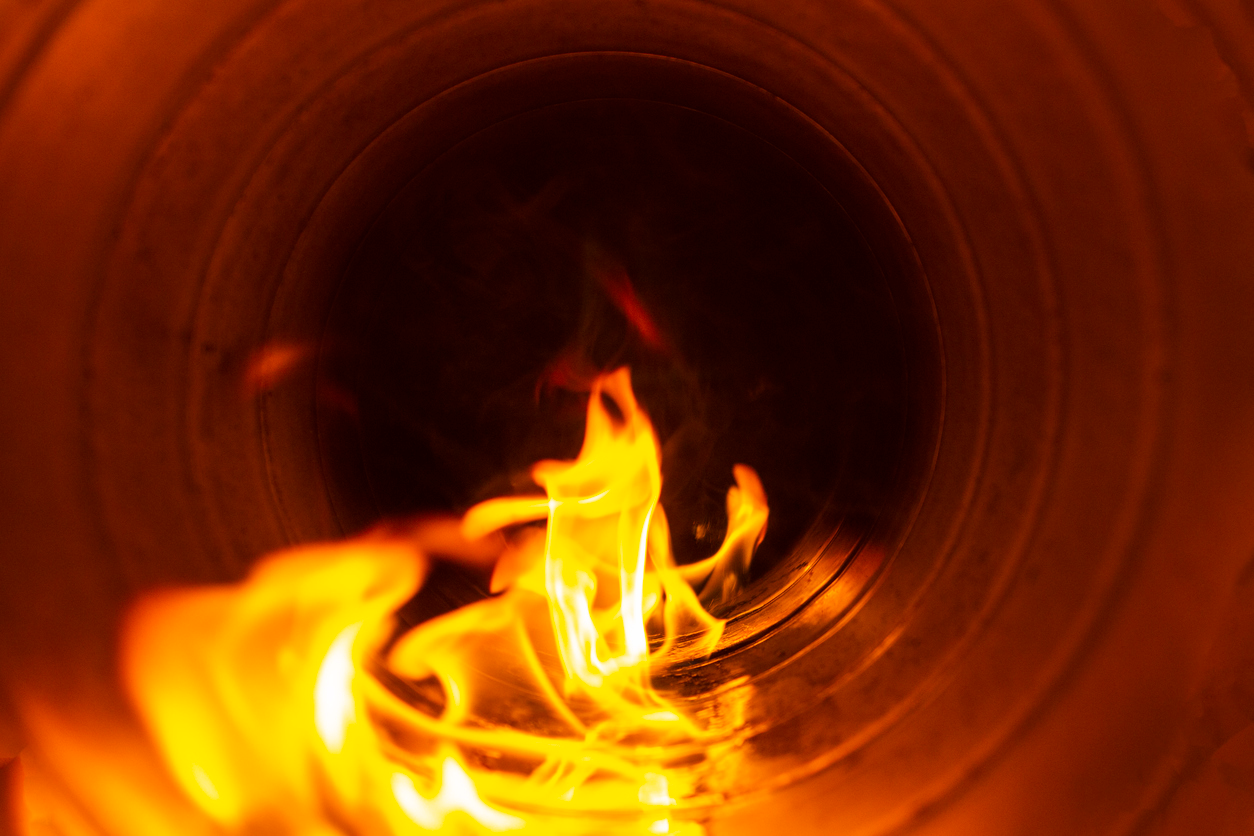
Dryers are designed to push hot air and moisture outside through a vent system. But when lint builds up in the vent, airflow becomes restricted, forcing the machine to work harder and hotter. That excessive heat turns the lint, a highly flammable material, literally into kindling.
The problem isn’t limited to the lint trap. Over time, lint sneaks past the screen and collects inside ducts, elbows, and even the dryer’s internal components. Add a little spark or sustained heat, and you have the perfect recipe for fire.
Homeowners should pay close attention to red flags, including:
- A burning smell while the dryer is running
- The outside of the dryer feeling unusually hot
- Clothes taking longer than normal to dry
Ignoring these signs doesn’t just shorten the life of your appliance, it increases the risk of a catastrophic blaze.
The Price of Neglect Goes Beyond Repairs
When dryer vents are ignored, the danger multiplies. A single dryer fire can cause tens of thousands of dollars in damage, from replacing drywall and flooring to rebuilding structural supports. Smoke and soot damage adds even more expense.
But money isn’t the only issue. Insurance companies sometimes deny claims when lack of maintenance is to blame. If investigators find that vents hadn’t been cleaned in years, you may be left footing the bill yourself.
Even without fire, clogged vents quietly drain your wallet. As airflow gets restricted, dryers run longer cycles to get clothes dry. That means higher utility bills and added wear on the appliance. What seems like saving money by skipping vent cleaning usually costs more in the long run.
Steps Every Homeowner Can Take to Stay Safe
The good news? Dryer fires are preventable with a little vigilance and the right help. Start with simple habits: clean the lint trap after every load, and avoid overloading the machine. These small steps improve efficiency and reduce fire risk.
But lint traps only catch part of the problem. Professional dryer vent cleaning is the real safeguard. Experts have specialized tools to reach deep into ducts, remove blockages, and ensure the system is venting safely. A yearly inspection is recommended for most households, and even more often if you do multiple loads daily or have a long vent run.
Keep an eye out for trouble signs, too: longer drying times, overheating, strange noises, or lint accumulating around the dryer vent outside. Treat these as warning lights on your laundry room dashboard. Do not wait for them to escalate.

Don’t Let Your Dryer Become a Fire Starter
A clogged dryer vent isn’t just an annoyance. It’s a real, documented fire hazard that puts your home, your family, and your finances at risk. Staying ahead of the problem with regular cleanings and inspections is one of the simplest ways to protect what matters most.
For peace of mind, schedule a professional dryer vent inspection with a TrustDALE certified dryer vent cleaning expert. These vetted professionals don’t just clean vents – they ensure your entire system is running safely and efficiently, giving you confidence that your laundry routine won’t spark disaster.