

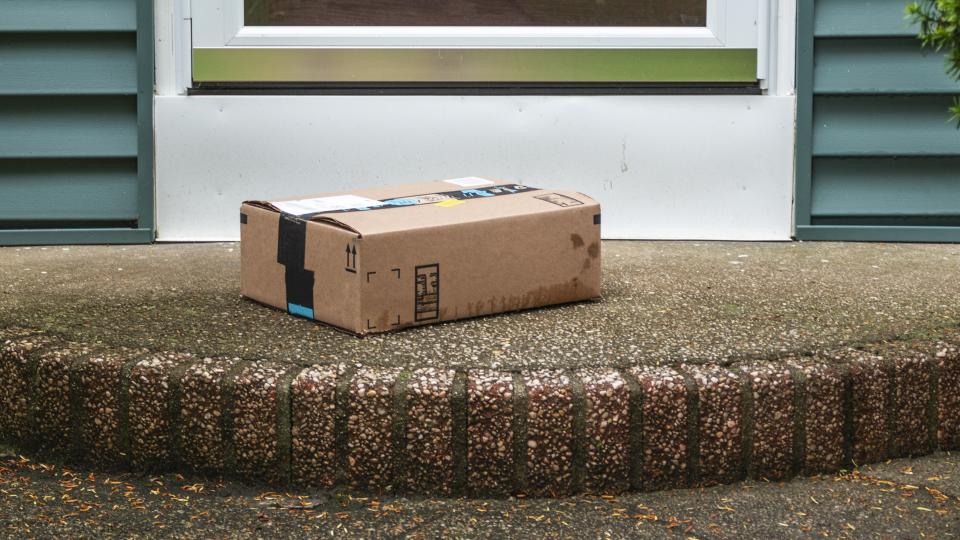
A New Scam Built Around Packages You Never Ordered
Most scams rely on urgency, fear, or confusion. The newest version, flagged in a recent alert from the Federal Trade Commission, uses something far more disarming: packages on your doorstep. Victims receive items they did not buy, followed by messages or job offers asking them to inspect, repackage, or forward those goods. It sounds harmless at first, especially when scammers disguise the scheme as a “work from home opportunity”. But reshipping scams are not just an inconvenience, they can actually pull consumers into criminal activity without realizing it.
The FTC warns that these scams are growing because they rely on simple steps that appear legitimate. Scammers need physical addresses to move stolen merchandise. Unwitting consumers become the middlemen in a process designed to hide the origin of goods purchased with stolen credit cards or compromised accounts.
How the Reshipping Scam Works Behind the Scenes
Scammers begin by ordering merchandise using stolen financial information. Instead of shipping the items to their own location, they send them to a third party, often someone they have recruited through online job ads, social media messages, or phishing emails.
Victims may be told they are participating in “quality control,” “freight processing,” or “international shipping coordination.” They are instructed to open packages, photograph contents, repackage them, then forward them to another address. Scammers often promise pay that never arrives or require victims to submit personal information for “employment paperwork,” setting the stage for potential identity theft.
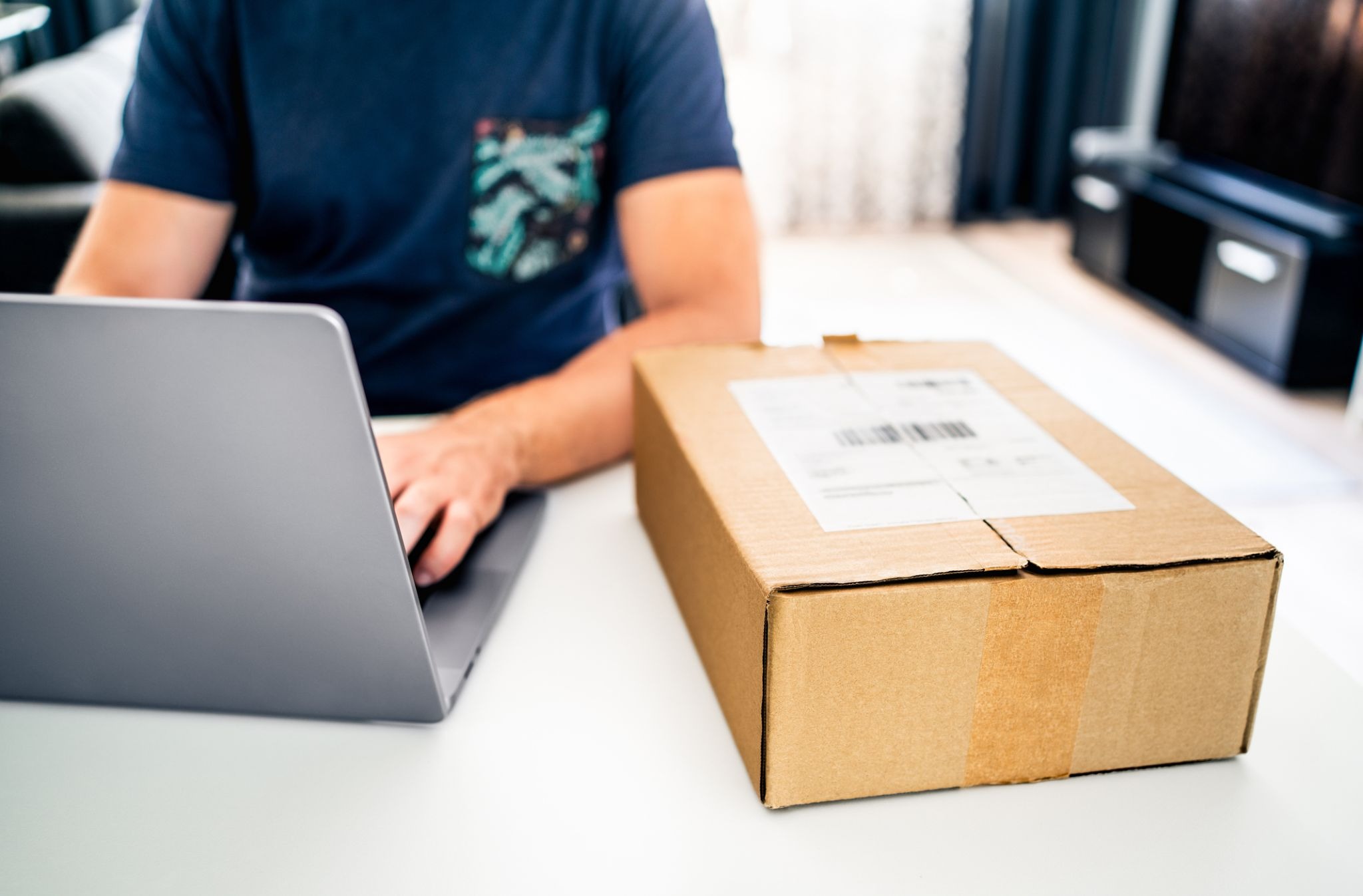
One of the biggest signs that a job is illegitimate is when the company has no verifiable physical address, no online presence beyond a basic website, and no traceable corporate history. The FTC has repeatedly warned consumers that real companies do not ask people to forward goods from their homes and do not operate through anonymous messaging apps. The FTC’s official guidance on reshipping scams can be found here: https://consumer.ftc.gov
The Hidden Risks Victims Often Discover Too Late
Forwarding packages may seem harmless until the consequences arrive. Since the items were bought with stolen information, law enforcement may trace transactions back to the address that first received the goods. Victims can become entangled in investigations simply because their home was used as a drop site.
There is also financial risk. Many victims spend their own money on shipping costs after scammers promise to reimburse them. That reimbursement never happens. Others provide personal identifying information such as Social Security numbers or bank account details for “direct deposit setup.” This exposes them to identity theft, fraudulent account activity, and long term credit damage.
The most recent data breach report, published by the Identity Theft Research Center, is sobering. Their research found that in just the first 6 months of 2025, data breaches exposed the personal information of almost 166 million people. Reshipping scams contribute to that exposure, adding another point of vulnerability for unsuspecting consumers.
The Red Flags You Should Never Ignore
Although scammers continually update their tactics, the red flags are remarkably consistent. Any job that requires you to receive and resend merchandise is almost certainly fraudulent. Legitimate employers do not operate that way, and reputable shipping companies do not outsource these tasks to random individuals.

Other warning signs include requests for personal financial information early in communication, pressure to act quickly, and communication that occurs only through encrypted apps or text messages.
If you receive a package you did not order, do not open it and do not follow instructions from any unsolicited sender. Contact the retailer listed on the shipping label to report it. If someone claims to have sent the package for employment purposes, discontinue all communication immediately.
What To Do If You Think You Are Caught in a Reshipping Scheme
If you believe you have already participated in a reshipping scam, report it to the FTC at ReportFraud.ftc.gov. You should also notify the shipping carrier, place fraud alerts on your financial accounts, and monitor your credit for unusual activity.
Scammers rely on confusion and good intentions. By understanding how reshipping scams operate, consumers can avoid becoming the middle point in a criminal supply chain. Staying alert keeps you safe and keeps the goods where they belong, far from the hands of fraudsters.