

How to Tell If That “Five Star” Review Is a Fake
Online reviews have become the new word-of-mouth. Whether you’re hiring a contractor, buying a gadget, or booking a hotel, reviews can make or break your decision. But as it turns out, an estimated 30-40% of online reviews are fraudulent, according to Harvard Business Review.
With millions of fake reviews flooding the internet each year, knowing how to spot the phonies can save you serious time and money. Luckily, it doesn’t take any real detective work to catch fakes, as long as you have ten seconds and a critical eye.
Step 1: Look for Repetitive Language and Generic Phrases
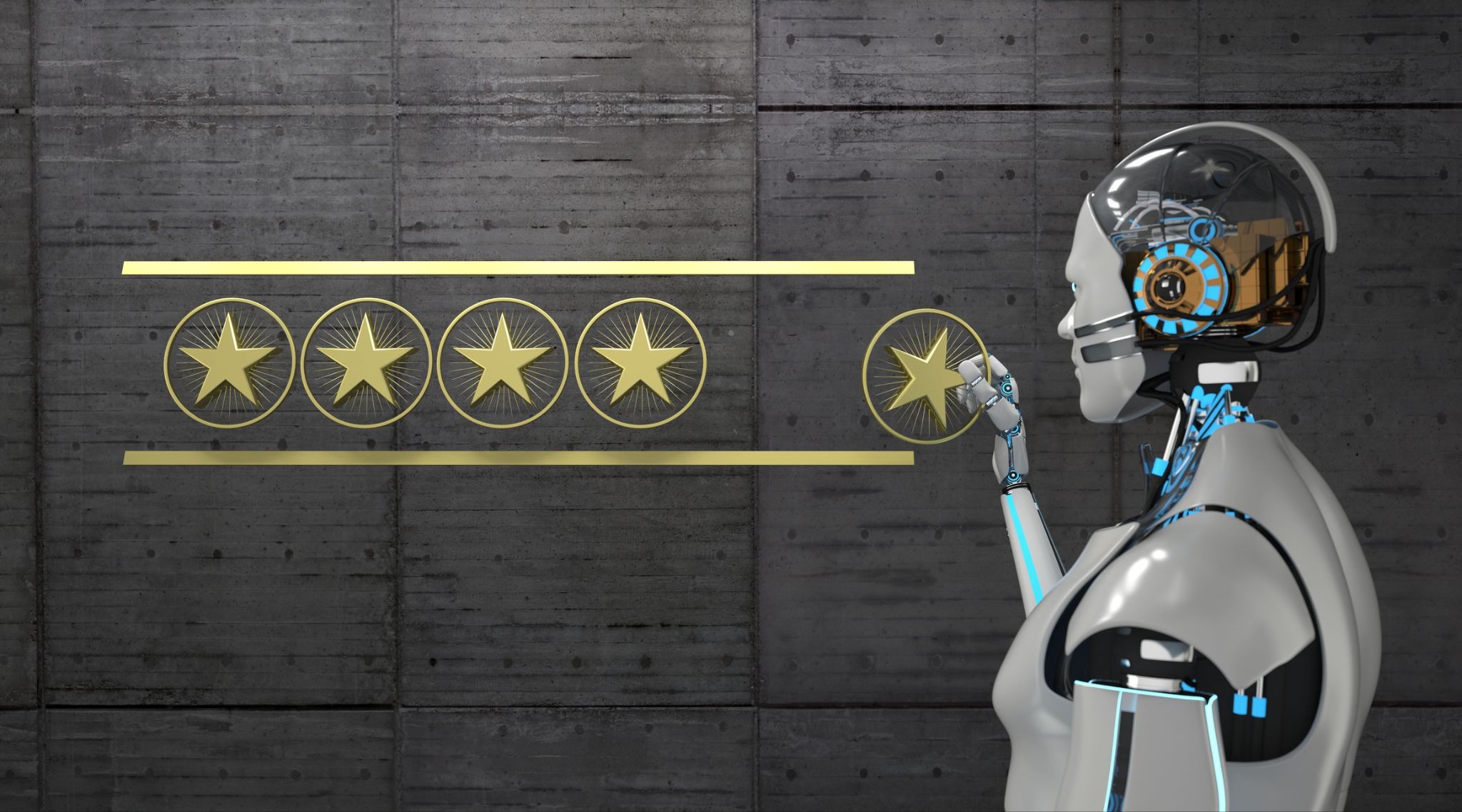
If every review sounds like it came from the same person, it probably did. Phrases like “amazing service,” “highly recommend,” or “best ever” might look harmless, but scammers often use copy-and-pasted templates to flood listings with fake positivity. Genuine reviews tend to vary in tone, word choice, and detail. Real customers talk about specific experiences, like, that a technician showed up on time, how a product worked for their needs, or even how a company handled a problem.
A good rule of thumb: the more human and imperfect the writing sounds, the more likely it’s real. Overly polished or robotic wording? That’s a clue you’re looking at a manufactured review.
Step 2: Watch the Review Timeline
Timing matters. A flood of five-star reviews appearing within days or weeks of each other is suspicious. Real customers post reviews gradually, not all at once. Companies caught buying fake reviews often do so in bursts to inflate their ratings quickly. Earlier this year, the Federal Trade Commission adopted its “Final Rule”:
“This final rule, among other things, prohibits selling or purchasing fake consumer reviews or testimonials, buying positive or negative consumer reviews, certain insiders creating consumer reviews or testimonials without clearly disclosing their relationships, creating a company-controlled review website that falsely purports to provide independent reviews, certain review suppression practices, and selling or purchasing fake indicators of social media influence”
This rule makes it so that businesses can be fined over $50,000 per fake review.
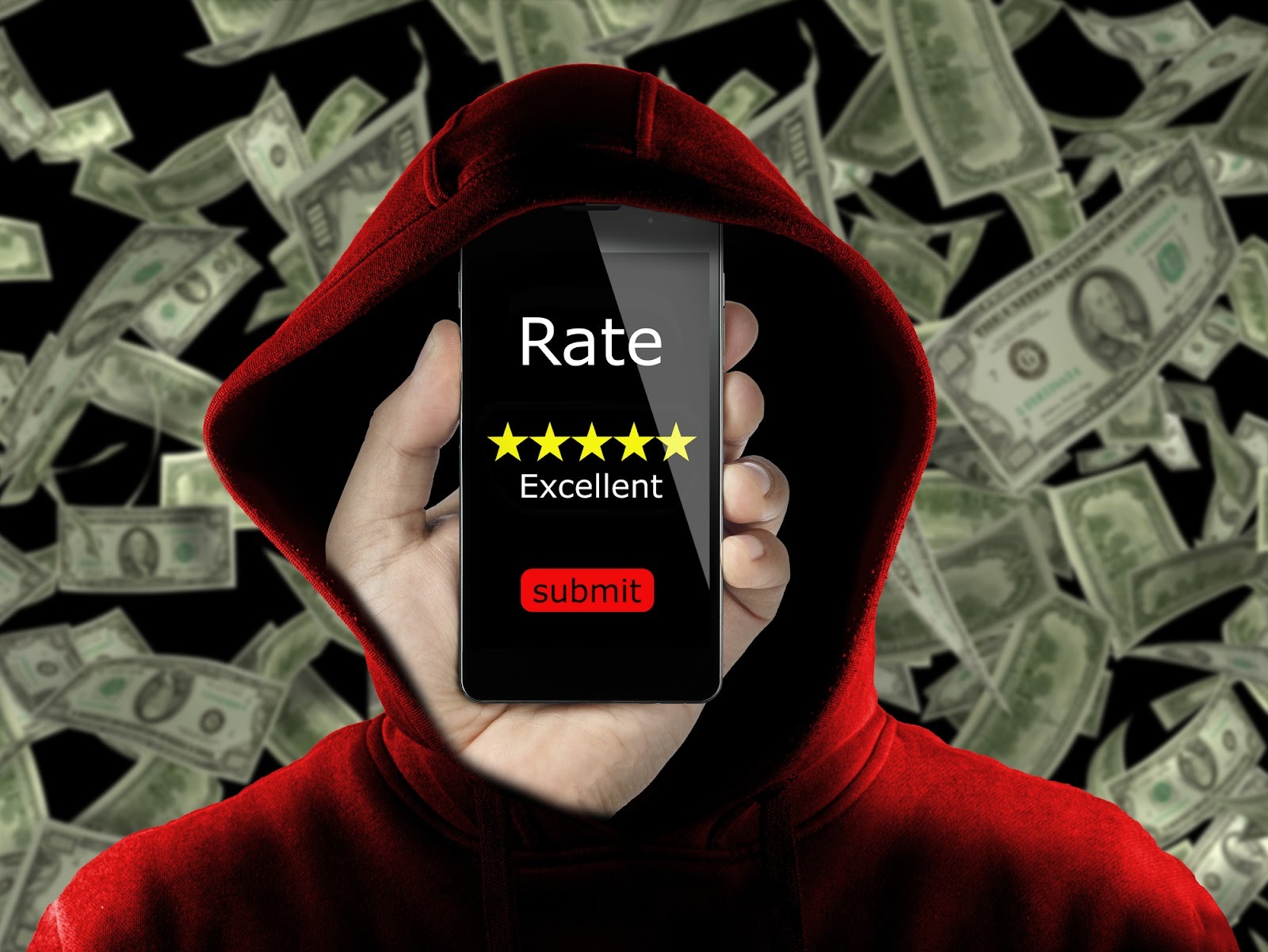
If a company’s rating suddenly skyrockets overnight, scroll back through the timeline. A steady stream of reviews over months, or even years, shows genuine customer engagement.
Step 3: Click the Reviewer’s Profile
Fake reviewers leave digital breadcrumbs. When you click on a profile and see only one review, or dozens of unrelated ones scattered across random states and industries, that’s a clear sign of manipulation. Authentic customers usually have localized, topic-specific histories (for example, reviews for other home service providers in the same city).
You can also check whether the reviewer’s name looks suspiciously generic (“John D.” or “Customer123”) or if all their reviews use identical sentence patterns. Platforms like Amazon, Google, and Yelp have AI detection systems for fake reviews, but no system is perfect. Your eyes are still the best filter.

Step 4: Don’t Ignore the Negative Reviews
No company satisfies everyone. A healthy mix of good, neutral, and bad reviews shows transparency and real-world experience. If a business has nothing but glowing praise with zero criticism, be skeptical. Even top-rated, TrustDALE-certified companies have the occasional less-than-perfect rating, but they also respond to feedback, which is the real mark of professionalism.
A balanced review section isn’t a red flag; it’s a sign you’re seeing the truth.
When in Doubt, Trust Your Instincts
The internet makes it easy to fake a perfect reputation. But with a few seconds of scrutiny, you can tell whether a business is genuinely great or just good at gaming the system. Remember the golden rule: if it sounds too perfect, it probably is.
For more practical, consumer-protection insights like these, check out Dale Cardwell’s latest book “Don’t Get Scammed, Get Smart: Seven Steps to Outsmart Today’s Most Dangerous Post-COVID Scams,” available now on Amazon!