

When Intelligence Isn’t Immunity
You might assume that being educated or savvy means you’re safe from scams. The data tells a different story. According to the Pew Research Center, about 73 percent of U.S. adults say they have experienced some kind of online scam or attack. This isn’t a problem reserved for the uninformed. It affects nearly everyone, across education levels and age groups.
Scammers do not just prey on gullibility. They target overconfidence. They rely on the mindset of “It could never happen to me” to lower your guard.
The Psychology of the Scam Artist
Scammers are effectively human-behavior experts. They know how to mimic credibility, exploit emotion and trigger action before logic kicks in.
They target three major psychological levers:
- Fear: the threat “Something bad will happen and you’re really going to regret it if you don’t act now.”
- Trust: the illusion of authority, legitimacy or a familiar voice
- Greed: the promise of gain with minimal risk or effort (you all remember the ol’ Nigerian Prince scam)
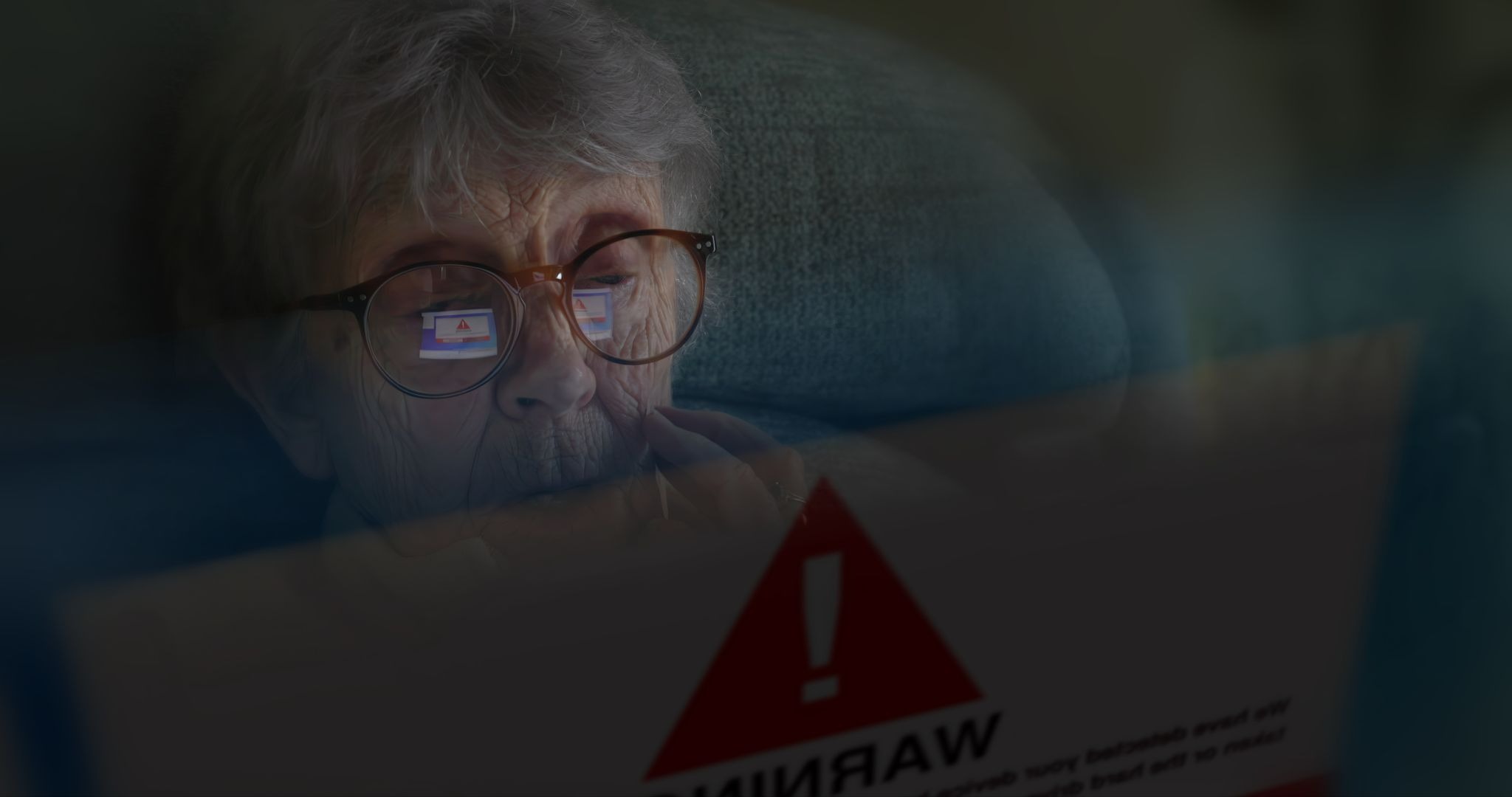
When you believe you are too smart to fall for a trick, you may skip the red flags. Assumptions keep you from second guessing yourself, which is exactly what scams rely on.
Awareness as Your Best Defense
If you accept the fact that you can be scammed, you change your mindset from invulnerability to vigilance. That shift matters. Here are three actionable steps you can use:
- Pause and question every solicitation that feels urgent or emotionally charged. Legitimate entities seldom rush you into a decision.
- Verify independently. If someone calls, texts or emails claiming to be from your bank, utility or government agency, hang up and use the contact information you know. Do not use any number or link they provided.
- Check your guard even when you feel smart and secure. Believing you could never fall for it opens you up to getting hooked, because you drop your guard at just the wrong moment.
Why You Can’t Afford to Be Too Sure
Believing you are safe is the moment you become vulnerable. The very fact that scams affect 73 percent of adults shows that being educated, careful and confident does not guarantee immunity. That kind of mindset is the next target.
Moreover, the financial cost of scams is real. According to the Federal Trade Commission, consumer losses to fraud rose to more than $12.5 billion in 2024. Pretending you are too smart to be fooled is exactly what the scammer counts on.
In short: smart people get scammed because they often believe they cannot be scammed. Flip that thinking. Recognize that you are a target, and your best defense is questioning, verifying and pausing before you act. Confidence is a tool, so make it one that protects you rather than exposes you.
A Resource That Helps You Outsmart Modern Scammers
For readers who want a deeper understanding of how these schemes operate, TrustDALE’s new book Don’t Get Scammed, Get Smart: Seven Steps to Outsmart Today’s Most Dangerous Post Covid Scams offers a clear and practical guide. It explains the most common tactics used right now, how scammers manipulate thought patterns and how ordinary people can recognize these signals early. The book is available on Amazon, and is designed to help consumers build habits that make them far more difficult to deceive..
If you want to stay ahead of emerging scams and sharpen your personal defenses, take a look at the new book on Amazon or visit TrustDALE for additional consumer protection guidance. Smart choices begin with the right information.