

Spring tends to wake everything up at once, including problems homeowners didn’t realize were taking shape through winter. Trees may leaf out beautifully, but that fresh growth can hide cracked limbs, decay, disease, and structural weakness that only becomes obvious after a storm does the revealing for you.
This next blog in the Spring Into Action series looks at why spring is one of the best times to have your trees checked by a certified arborist. You’ll learn what warning signs matter, why timing can save you from bigger repairs, and how proactive tree care helps protect your home, yard, and peace of mind.
What Winter Leaves Behind
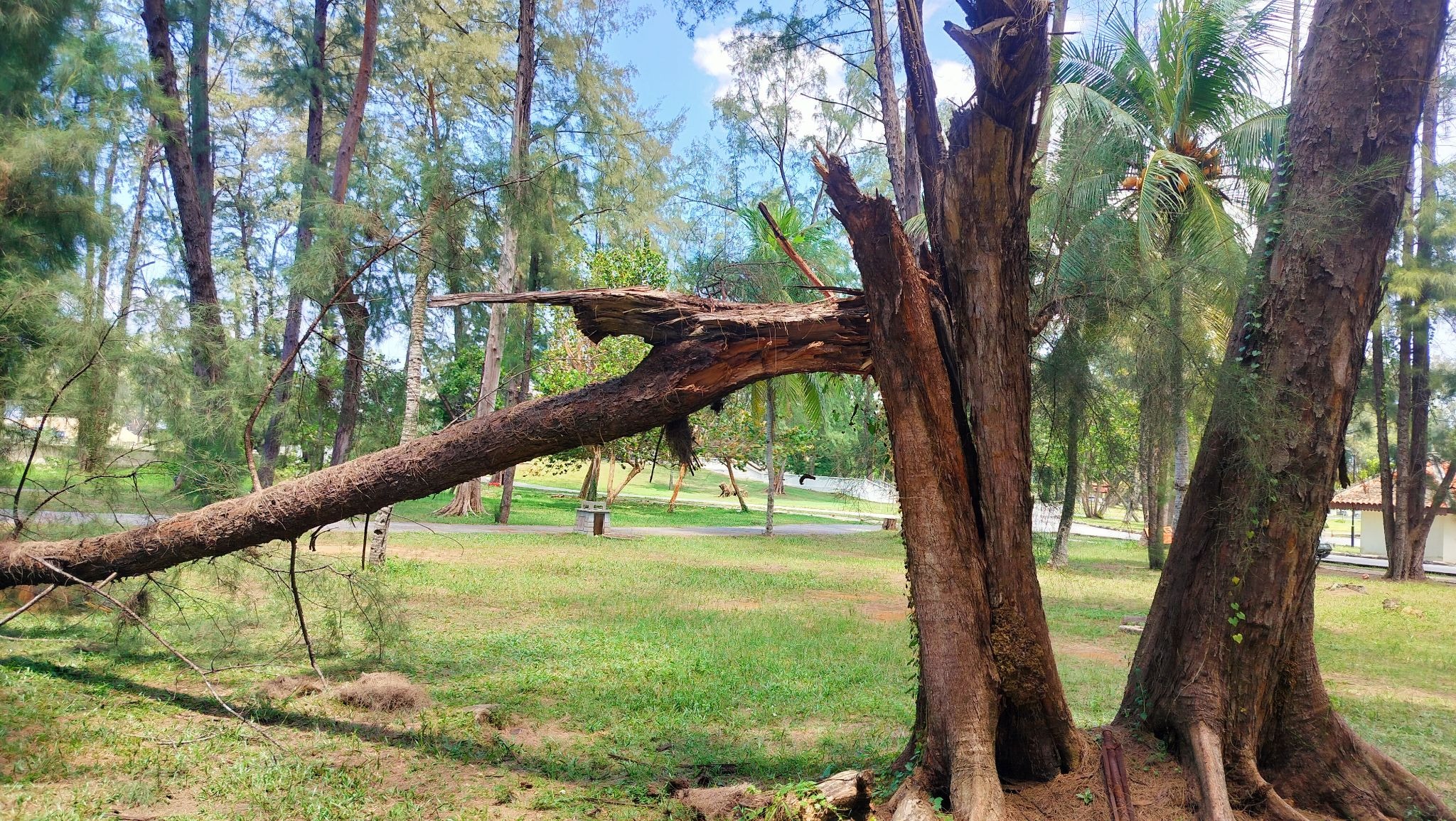
A tree can look healthy from the street and still be carrying trouble in its canopy. Winter weather, fluctuating temperatures, and old storm damage often leave behind stressed limbs, bark injuries, root strain, or internal decay that isn’t obvious until high winds arrive. By spring, those weaknesses may be hidden behind new leaves, which makes the tree appear stronger than it actually is.
That’s where homeowners can get caught off guard. A heavy limb over the roof, driveway, fence, or play area may not fail on a calm day. It fails when saturated soil, wind gusts, and extra foliage weight all show up together. Spring storms have a way of turning quiet risks into loud expenses.
Why an Arborist’s Eye Matters
Tree problems rarely announce themselves with perfect clarity. One branch may be dead, another cracked, another rubbing against the house, while the rest of the tree still looks full and green. A certified arborist is trained to look beyond appearance and assess structure, health, and risk in a much more complete way.
The International Society of Arboriculture notes that understanding and addressing tree risk makes property safer and can prolong the life of the tree; it also advises that pruning defective branches is best handled by an ISA Certified Arborist because improper pruning can weaken the tree. That’s an important distinction, because good tree care doesn’t include just hacking at branches until everything looks smaller. It’s more to do with making targeted decisions that reduce risk without creating new problems.
The Trouble Signs You Shouldn’t Ignore
Some warnings deserve attention right away. Large dead limbs, hanging branches, visible cracks where limbs join the trunk, mushrooms near the base, hollow areas, peeling bark, sudden leaning, or branches touching the roofline all suggest it’s time for a professional evaluation. Trees near driveways, homes, power lines, sheds, and patios deserve even closer attention because the consequences of failure are much higher.
Here’s where spring inspections can really pay off:
- They identify weak limbs before storm season ramps up
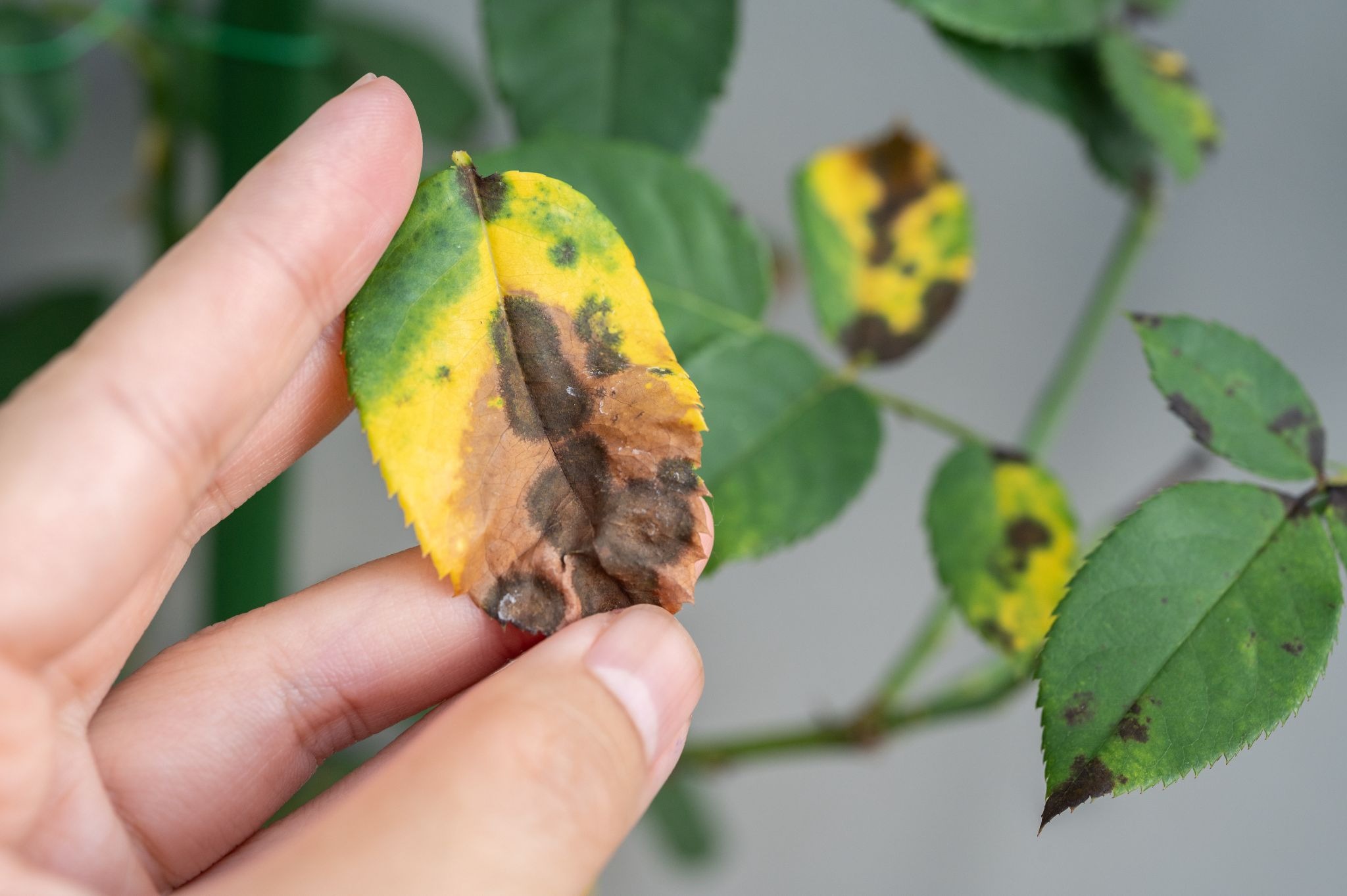
- They catch disease or decay before damage spreads
- They help prevent impact to roofs, fences, cars, and landscaping
- They reduce the chance of emergency removals later
That kind of timing matters because emergency tree work is rarely convenient, and it’s almost never cheap.
Don’t Wait for a Storm to Diagnose the Problem
Once a storm has already torn through the yard, your options shrink fast. At that point, you may be dealing with broken limbs on the house, blocked access, torn-up landscaping, or a tree that now needs removal instead of corrective care. Arbor Day Foundation guidance for storm damage recovery warns against rash decisions after storms and stresses proper assessment and care, since some damaged trees can recover while others require expert evaluation.
That’s exactly why spring is such a smart checkpoint. It gives you time to inspect, prune, brace, treat, or remove a problem tree before weather forces the issue. Preventive care usually gives homeowners more choices, better scheduling, and a clearer plan.
A Safer Yard Starts With a Smarter Checkup
Tree care tends to sit quietly on the to do list until something falls. That’s understandable, but it’s also why preventable damage happens so often. A seasonal inspection can reveal issues early, help preserve valuable trees, and reduce the risk that one overlooked limb becomes a very expensive spring surprise.
If you’ve noticed overgrowth, deadwood, unusual leaning, or branches hanging a little too close for comfort, this is the moment to act. As the next step in the Spring Into Action series, now’s a smart time to have a certified arborist check the health of your trees so your home and yard are better protected before spring storms roll through.