
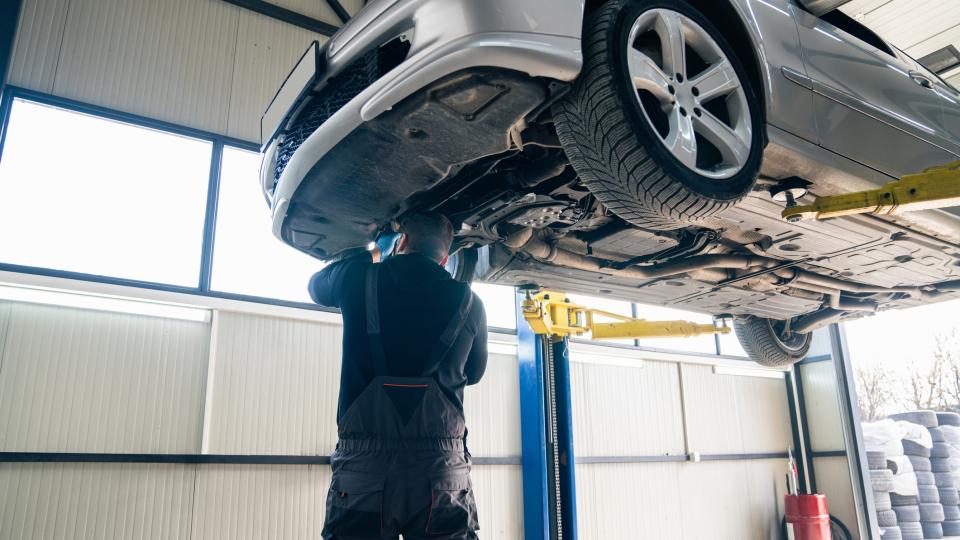
A breakdown can turn a normal day into an expensive decision point. When your car will not start, overheats, or a check engine light suddenly turns on, you may feel pressure to approve the first repair someone suggests.
I have seen that pressure create real losses for consumers. Do not wait until your car breaks down to find a trusted auto repair shop. A little research before an emergency can help you compare options and locate a reliable auto shop.
Key Takeaways
- Research and choose a trusted auto repair shop before your vehicle breaks down, rather than making a rushed decision during an emergency.
- Ask for a clear diagnosis, an itemized written estimate, details about parts and labor, and approval before any additional work begins.
- Modern vehicles require specialized diagnostic equipment and trained technicians, so convenience, low-price coupons, and mobile service should not replace proper expertise.
- Review warranty terms, keep all repair records, and get a second opinion when a recommendation feels unclear, urgent, or unusually expensive.
- Preventive maintenance and prompt attention to warning lights, unusual sounds, overheating, and fluid concerns can reduce costly emergency repairs.
Why Choosing the Right Auto Repair Shop Matters
Cars have always held a sentimental place in my family. I grew up watching my father work on our family vehicles, and later I helped him. Those moments taught me more than how to fix a car. They taught me to look closely, work patiently, and respect what I didn’t yet understand.
Thirty-five years later, my family bought a 1971 Datsun 240Z. It’s the kind of car that invites you to lift the hood and spend an afternoon working beneath a shade tree. Modern vehicles are different. They’re computers on wheels, packed with electronic modules, sensors, software, and specialized systems that a visual inspection can’t always explain. Choosing a modern auto shop is often wiser than relying on driveway repairs alone.
 Photo by Uploaded
These days, the average vehicle on the road is about 12 years old. As drivers keep cars longer, vehicle maintenance decisions matter more. Routine work, such as an oil change or factory-recommended fluid exchange, also helps protect complex systems. We discussed the more than $200 billion Americans spend each year on vehicle maintenance and repairs.
Drivers are especially vulnerable because:
- A breakdown often happens away from home, when you need help fast.
- Modern vehicles can hide serious problems behind a single warning light.
- Repair estimates may include diagnostic time, labor, parts, shop supplies, and disposal costs.
- Most people don’t know whether a recommendation is necessary until after they authorize the work.
The best time to vet an auto shop and choose a licensed mechanic is while your vehicle still runs well.
A Roadside Assistance Referral Is Not a Guarantee
A company your insurer sends to help may be legitimate, but that referral doesn't excuse you from asking questions. Ask any local auto shop to check for known safety recall issues during its initial evaluation. I learned that again through the experience of Andrew and Bernita Ekes.
Their 2005 Cadillac was running hot, so they contacted their insurance company's roadside-assistance service. They expected a tow. Instead, the driver who arrived told them he could fix the car that same day.
What Happened to One Family
The couple wrote two checks totaling nearly $500. Yet they didn't receive a parts receipt or a clear explanation of the work. The paperwork was handwritten, and weeks passed without a repair.
Bernita's concern summed up the problem:
"We really don't know where the money went."
A consumer should never have to guess whether money paid for a part, labor, or no meaningful work at all. A referral from an insurance company or roadside service doesn't replace your own research.
How the Case Ended
The Ekes contacted us through TrustDALE for help. We arranged to have the Cadillac towed to AAMCO for a comprehensive vehicle inspection. The evaluation considered whether major engine work or transmission repair made financial sense. The original tow truck driver refunded the nearly $500, and the insurance company removed that tow provider from its list of trusted auto service providers.
The final diagnosis was also important. AAMCO determined that the Cadillac was beyond repair. That answer may disappoint a vehicle owner, but it can save them from pouring money into a car that cannot be reasonably restored. An honest repair professional will tell you when repair isn't the right financial decision.
Modern Vehicles Need More Than Basic Mechanical Skills
Dane Brown of TrustDALE Certified AAMCO explained that technician training never stops. Today's automotive technicians need to understand electrical systems, hydraulics, transmissions, computerized diagnostics, and frequent manufacturer updates. A modern auto shop also needs state-of-the-art diagnostic equipment.
Many engines are covered, and some transmissions do not have the familiar dipstick people once used to check fluid levels. A technician cannot always identify the source of a problem by looking under the hood for a few minutes.
What Modern Vehicle Service May Involve
A computerized diagnostic test may require:
- Electronic scan tools that read check engine light fault codes and live sensor data.
- Electrical testing to trace sensor, wiring, or module problems.
- Specialized knowledge for computerized transmission repair.
- Manufacturer-specific procedures and fluids.
- Access to a lift for work beneath the vehicle.
Even fluids require care. Coolant that works in one make or model may not be compatible with another, and a transmission or cooling fluid exchange requires precision. That is why I don't recommend treating modern maintenance as a one-size-fits-all job.
Complex vehicle systems require more than a quick visual inspection.
Read your owner's manual, follow the maintenance schedule for your vehicle, and ask a qualified professional before adding fluids or approving a repair you don't understand.
Cheap Coupons and Nearby Shops Can Cost More
When a car breaks down, people often choose the auto shop closest to the problem or the coupon with the lowest advertised price. Convenience matters, but it shouldn't make the decision for you.
Dane warned that some coupon offers at a discount auto shop may function as bait to get drivers in the door. An oil change, brake service, tire repair, or fluid exchange special can look appealing. A coupon alone doesn't prove a business is dishonest. However, it also doesn't prove the shop has the training, equipment, or integrity to diagnose your problem correctly.
A low advertised teaser does not guarantee a low total repair cost.
| What may attract drivers | What to check before authorizing work |
|---|---|
| A low-price oil change, brake service, or tire repair coupon | Clear pricing and an explanation of any recommended repairs |
| A shop close to home | Current reviews that mention communication and completed repairs |
| A promise of same-day battery replacement | Whether the shop has the right equipment and trained technicians |
| A fluid exchange or wheel alignment special | Parts information, warranty terms, and approval policies |
The Federal Trade Commission's auto repair guidance advises consumers to get a written repair estimate and understand why the shop recommends each repair. Ask why a wheel alignment or other service is necessary before approving it. That is practical protection, especially when a repair recommendation comes with urgency.
Questions to Ask Before Work Begins
Good repair shops welcome reasonable questions. A trustworthy auto shop shouldn't make you feel foolish for asking about diagnostic costs, necessary repairs, or replacement parts.
I recommend getting these answers before authorizing an auto shop to perform labor on your vehicle.
- "What is the fee for the initial diagnostic test, and will it be applied to the final bill?" Diagnosis takes technician time and specialized equipment. Ask about this charge before approving automotive service.
- "What did you find, and what repair do you recommend?" Don't authorize work based on an open-ended explanation such as, "It could be this or that." Ask the shop to explain its findings in plain language.
- "Can I have an itemized written repair estimate before you begin?" The estimate should identify the condition being repaired, recommended parts, labor, diagnostic fees, and anticipated disposal charges. The FTC also advises consumers to understand what the estimate covers before repairs start.
- "Will you contact me before doing any additional work, and do you require written authorization?" Ask about the auto shop's policy before work begins. Finding a second problem doesn't give the shop permission to add unapproved repairs to your bill.
- "Are the parts new, used, or remanufactured?" Ask which option the shop recommends, why it recommends that option, and what warranty applies to the part and labor.
- "What happens if the same problem returns?" Get the warranty terms in writing. Ask where you can take the vehicle if you're traveling when a covered repair fails.
Before authorizing expensive work, I also recommend checking for patterns in online reviews. A few unhappy reviews don't tell the whole story. Repeated complaints about surprise charges, poor communication, unfinished work, or ignored warranty claims deserve attention.
Red Flags That Should Make You Pause
Repair delays and unexpected findings can happen. The warning sign isn't always the problem itself. It's often how the auto shop communicates about it.
Pay close attention when a business gives vague answers, changes its story, or avoids written documentation.
Signs of Poor Transparency
An auto shop should be able to tell you what it found, what it recommends, and what the work should cost. An experienced licensed mechanic should explain those findings clearly. Pause if you hear statements like "We'll see what happens" or "We will figure it out after we get into it."
Be wary when a shop won't discuss its diagnostic fee, labor rate, parts source, or warranty. Evasive answers can leave you with no reliable way to compare your options.
Before approving an expensive fix for an unexpected component failure, check whether it matches an open manufacturer safety recall. The repair may qualify for coverage instead of becoming an out-of-pocket expense.
Pressure and Surprise Add-Ons
Don't let anyone at an auto shop pressure you into approving a major repair on the spot. Ask for an explanation first. If the diagnosis feels unclear or the price seems out of line, get a second opinion.
I'll return to the same core point I've repeated for years: find a reputable mechanic before you need one. That gives you the ability to make a decision without a tow truck, warning light, or stranded vehicle controlling the moment.
Transparency should continue from the first phone call through the final payment.
Know What You Are Paying For
A car repair bill can include more than the cost of a replacement part. AAMCO's Dane Brown explained that customers may pay for parts, technician labor, diagnostic testing, and disposal fees for fluids and materials.
These charges aren't automatically improper. A reputable auto shop explains them before the bill arrives, so you can understand the full repair cost.
Review the Estimate Line by Line
Ask the auto shop service advisor to walk you through the estimate. You should understand:
- The diagnosed condition and recommended repair.
- The part number or description, when available.
- Whether the part is new, used, or remanufactured.
- Labor hours and labor rate.
- The diagnostic charge.
- Any environmental fees for disposing of oil, coolant, transmission fluid, or materials from a fluid exchange.
- Taxes and the expected total.
The paperwork protects both sides. It records what you approved and gives the shop a clear scope of work.
Read the Warranty Before Paying
Ask whether the warranty covers parts, labor, or both. Find out how long it lasts, what conditions may limit coverage, and what steps you must take if the same issue returns.
An aftermarket shop guarantee isn't the same as an original manufacturer warranty. The FTC's guidance on auto warranties and service contracts explains why warranty coverage and service-contract coverage differ. Read the terms rather than assuming a plan covers every failure.
Ask about the warranty before you pay, not after something goes wrong.
Preventive Maintenance Reduces Emergency Decisions
Many costly repair situations begin with smaller warnings that drivers put off. An overheating engine, warning light, strange noise, or shifting change deserves attention before the car leaves you stranded.
Your owner's manual is the starting point for scheduled vehicle maintenance. It explains oil change and fluid exchange intervals for your specific model. Partnering with a consistent auto shop can also help you keep up with regular checkups.
Basic Items to Monitor
Keep up with routine checks and services, including:
- Oil changes at the interval your vehicle manufacturer recommends.
- Routine brake service when you notice squealing, vibration, pulling, or reduced stopping performance.
- Battery testing before sudden battery replacement becomes necessary.
- Coolant level and condition, using only the type specified for your vehicle.
- Tire pressure, tread depth, and prompt tire repair for punctures.
- Uneven tire wear, which can signal the need for a wheel alignment.
- Warning lights, unusual sounds, overheating, and changes in how the car drives.
You can often check tire pressure and observe warning lights yourself. Don't ignore an intermittent check engine light, and schedule a seasonal, multi-point vehicle inspection when needed. Still, I encourage you to leave specialized fluids and complex repairs to trained professionals. Adding the wrong coolant or transmission fluid can create a larger problem than the one you were trying to solve.
Mobile Mechanics Have Limits
A mobile mechanic can be appealing when you can't drive your vehicle or leave work. Some can handle basic jobs at your home or office, such as an oil change or filter swap.
Roadside battery replacement and basic tire repair can also be convenient in the right situation. However, many repairs require a vehicle lift, shop-grade diagnostic equipment, or a controlled work area. A driveway can't replace those tools, which are standard in a physical auto shop.
A comprehensive fluid exchange may also require a lift and proper catch tanks. Dane raised an important concern about repairs that exceed a mobile mechanic's setup.
He has seen vehicles arrive at a shop after mobile work with missing or loose bolts. That reflects his experience, not a claim about every mobile mechanic. Still, it shows why you need to evaluate the job, not only the convenience.
Before hiring a mobile mechanic, ask:
- What equipment will you bring for this diagnosis or repair?
- Can this job be completed safely without a lift?
- Will you provide a written estimate before work begins?
- What parts will you use?
- What warranty applies to the work and parts?
- What is the next step if the repair doesn't correct the problem?
Convenience should never replace proper equipment, documentation, or accountability.
What to Do When Repairs Stall
A listener asked about leaving a Ford at an auto shop for three weeks without work beginning. Dane's answer was careful: the customer may owe a diagnostic charge, but the shop shouldn't bill for unrelated repairs it didn't perform or the customer didn't approve.
State laws vary, so don't rely on a broad rule about what you owe. Compare any invoice with your original written authorization, then request an explanation before picking up the vehicle.
"My vehicle has been at your shop for several weeks. Please provide the diagnostic findings, the charges to date, the work I authorized, and the expected start date for any remaining repairs."
Keep copies of your estimate, repair authorization, invoices, text messages, emails, and phone notes. If work was submitted under a manufacturer warranty, keep claim numbers and coverage details too. Those records make it much easier to challenge a misunderstanding, request a warranty repair, or explain the situation to a consumer-protection office if needed.
A delay may be legitimate if the shop is backed up, waiting on a part, or handling parts shortages for an active safety recall. Yet a good shop gives you a direct update instead of leaving you to chase answers.
Finding a Reliable Car Repair Partner
I have been an AAMCO customer myself for years and years, and I have spent more than 20 years evaluating businesses that serve consumers. Choosing an accredited auto shop means looking for more than technical skill. It should explain the diagnosis, quote the price, disclose the parts, and stand behind its work.
When you need car repair or maintenance, I say with absolute confidence that you can trust TrustDALE Certified Partner AAMCO for full-spectrum auto service, backed by our $10,000 Make It Right Guarantee. Just like all other TrustDALE Certified Partners, AAMCO has passed my rigorous seven-point inspection process.
Frequently Asked Questions
How can I find a reliable auto repair shop?
Research local shops before you need immediate help, and look for clear communication, current reviews, qualified technicians, and written estimates. Accreditation or certification can be useful, but you should still ask questions and review the shop’s warranty policy.
What should I ask before authorizing a repair?
Ask about the diagnostic fee, the specific problem found, the recommended repair, the total estimated cost, and whether the parts are new, used, or remanufactured. Confirm that the shop will contact you before performing additional work.
Is the cheapest repair coupon the best option?
Not necessarily. A low advertised price may not include diagnostic charges, additional labor, parts, disposal fees, or other recommended services, so compare the complete estimate rather than the coupon alone.
When should I get a second opinion?
Consider a second opinion when the diagnosis is vague, the repair is expensive, or the shop pressures you to approve work immediately. You should also pause if the business will not provide written details about the repair, price, or warranty.
Can a mobile mechanic handle every car repair?
No. Mobile mechanics may be suitable for basic services such as battery replacement, tire repair, or an oil change, but many repairs require a vehicle lift, specialized diagnostic equipment, or a controlled shop environment.
Keep Trust in the Driver's Seat
A breakdown creates urgency, but urgency shouldn't take away your ability to make an informed choice. The Ekes family's experience showed how quickly a simple overheating problem can become a confusing, costly ordeal when the provider gives no clear paperwork or accountable repair plan.
Find a reliable auto shop before an emergency. Then, when a warning light appears or your car starts making a sound you’ve never heard before, you’ll have a number to call and the confidence to ask the questions that matter.
Quality automotive care starts with a little planning, a clear diagnosis, written approval, and honest communication.