

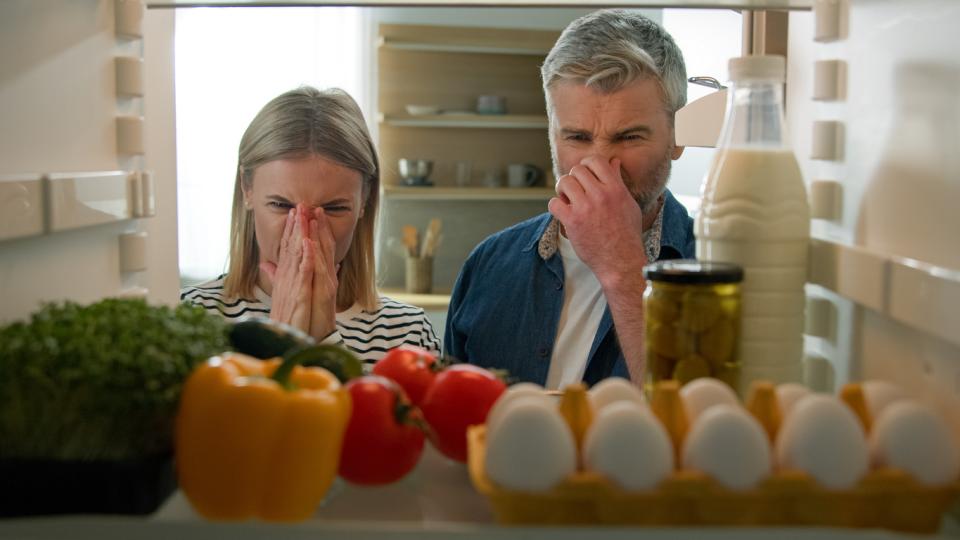
When Your Refrigerator Stops Pulling Its Weight
Few household headaches compare to opening the fridge and realizing your milk is lukewarm or your leftovers are spoiled. Beyond the inconvenience, a fridge that won’t stay cold costs money in wasted groceries and can even put your health at risk. According to the USDA, perishable foods left above 40°F for more than two hours enter the “danger zone,” where bacteria multiply rapidly.
If your refrigerator is struggling, the good news is that most cooling issues stem from a handful of common culprits. Some fixes are simple, while others call for professional expertise. Knowing the difference could save your food and your appliance.
What Usually Causes a Warm Refrigerator
More often than not, a fridge that won’t stay cool has a straightforward explanation:
- Dirty condenser coils: These coils, usually located at the back or bottom of the fridge, release heat. When they’re coated in dust and grime, heat builds up and cooling efficiency plummets.
- Worn door gaskets: The rubber seals around the fridge door are supposed to keep cold air in. When they crack, loosen, or lose elasticity, chilled air seeps out, forcing the compressor to work overtime.
- Thermostat or control issues: A faulty temperature sensor or thermostat can trick your fridge into running too warm — or not running at all.
- Overstuffed shelves: It may sound trivial, but overloading your fridge blocks airflow. Cold air needs space to circulate, and when it can’t, warm pockets form around your food.
These problems can sneak up quietly, leading to higher energy bills and shorter appliance lifespan if ignored.
DIY Fixes Versus Calling a Professional
Some refrigerator problems are safe for homeowners to tackle. For example, vacuuming the coils a couple of times a year can go a long way toward preventing overheating. Double checking the thermostat settings or rearranging items to avoid blocking vents are also easy first steps.
But not all fixes are DIY-friendly. Opening sealed systems, for instance, risks refrigerant leaks — dangerous for both the appliance and the environment. Similarly, diagnosing compressor failures, rewiring control boards, or replacing temperature sensors requires tools, training, and manufacturer-specific knowledge. Attempting these repairs without expertise can worsen the problem and shorten the fridge’s lifespan.
The bottom line: If your quick checks don’t resolve the issue, that’s the point to step back and call in a pro.
Why Calling an Expert Protects More Than Your Food
A refrigerator breakdown is stressful, but professional repair offers more than peace of mind. Skilled technicians can quickly pinpoint the root cause instead of guessing or replacing parts unnecessarily. That saves homeowners not only on spoiled groceries but also on repeated service calls.
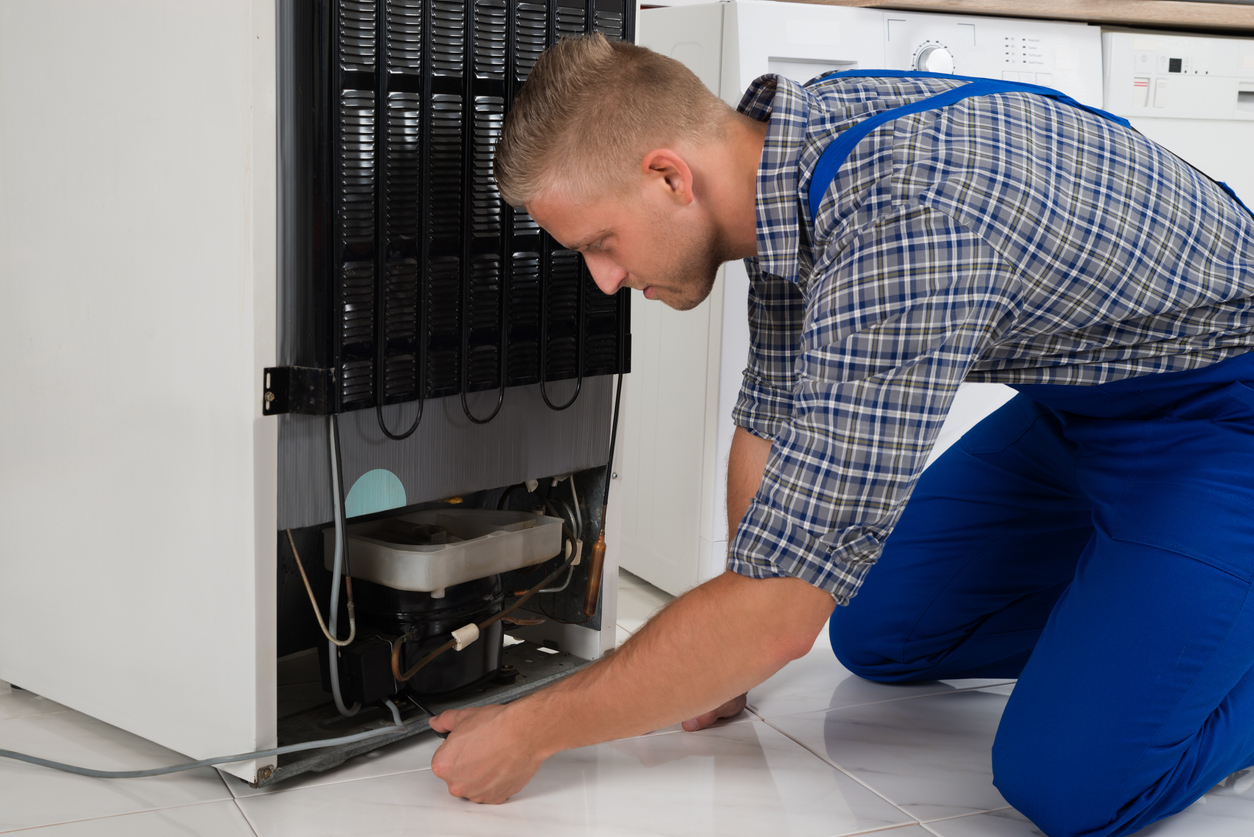
Modern refrigerators are no longer simple cooling boxes, they’re packed with sensors, electronic controls, and efficiency features. Fixing one issue incorrectly can trigger others. That’s why many Atlanta homeowners rely on CalTek Appliance Repair, a TrustDALE certified partner. Their technicians are vetted for expertise, punctuality, and ethical business practices, giving customers confidence that both their food and their investment are protected.
Whether it’s a worn gasket or a failing compressor, their approach is the same: thorough diagnostics, clear communication, and timely solutions that extend the life of the appliance.
Keep Your Kitchen Running Smoothly
A refrigerator that can’t keep its cool is more than an inconvenience — it’s a drain on your wallet and a threat to food safety. While some issues are easy to spot and fix, others demand the experience of a trained technician.
If your fridge isn’t as cold as it should be, don’t gamble with your groceries. Call CalTek Appliance Repair, where certified experts bring lasting repairs that keep your food fresh, your kitchen stress-free, and your family safe.