

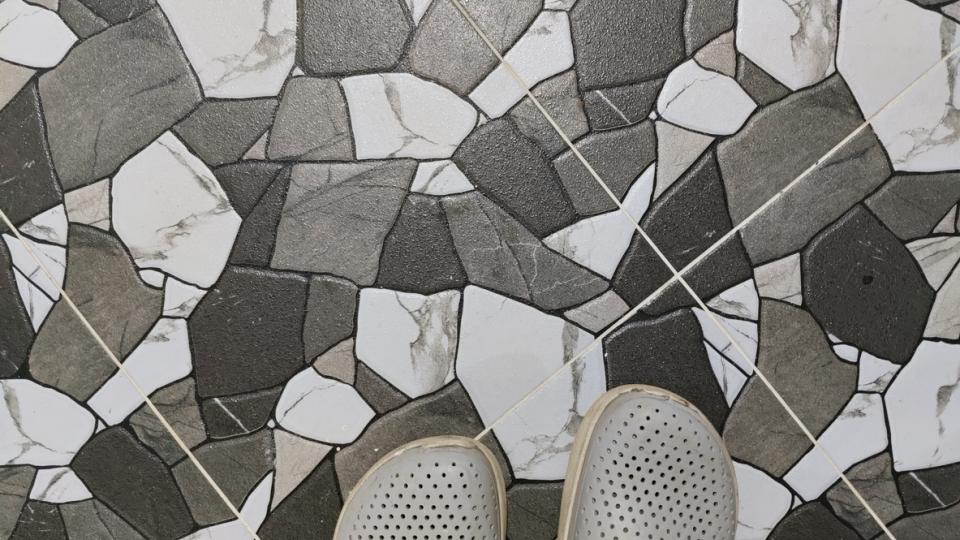
Flooring takes more punishment than almost any other surface in your home. It catches muddy shoes, pet claws, dropped groceries, chair legs, rolling toys, holiday traffic, kitchen spills, and the quiet daily shuffle of life that slowly turns the wrong material tired before its time.
In this guide, you’ll learn how to choose flooring that fits the way your household actually lives. We’ll look at the materials that tend to hold up best, where each one makes sense, what details matter beyond the showroom sample, and when hiring a professional can protect both the floor and the money you’re putting into it.
Start With the Room, Not the Sample
The biggest mistake homeowners make is falling in love with a color before thinking about the room. A beautiful floor in the wrong place can become a maintenance project with furniture on top of it.
Kitchens, mudrooms, laundry rooms, bathrooms, and basements ask more from flooring because moisture eventually finds the weak spot. In those areas, porcelain tile and quality luxury vinyl plank often make the strongest case. Porcelain has a dense, hard surface that handles heavy use well, while luxury vinyl plank brings water resistance and a softer feel underfoot. For families with pets or kids, that combination can feel less precious than hardwood and less cold than tile.
Living rooms, bedrooms, and dining areas give you more flexibility. Hardwood still has lasting appeal because it can be refinished, but the finish, wood species, plank width, and household habits all matter. A soft wood with a glossy finish in a home with big dogs may show wear quickly, while a harder species with a matte or satin finish can age more gracefully.
The Materials That Usually Go the Distance
Porcelain tile is one of the toughest choices for daily wear. It’s especially useful in wet zones, entryways, kitchens, and homes where easy cleanup matters. The tradeoff is comfort. Tile can feel hard underfoot, and dropped dishes rarely survive the meeting.
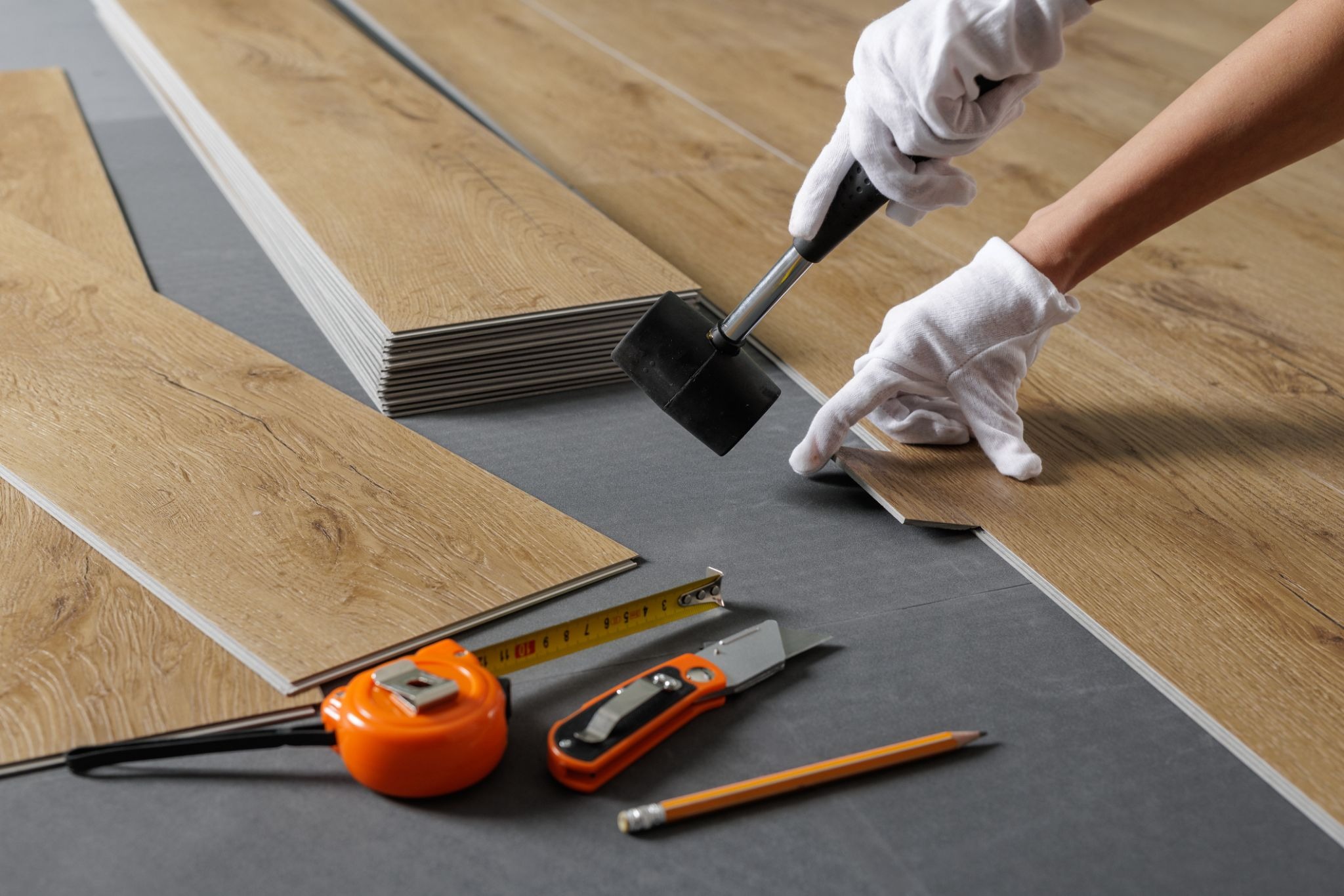
Luxury vinyl plank has become popular because it solves several ordinary problems at once. It can mimic wood, tolerate moisture better than many natural materials, and usually costs less than hardwood or tile. Look closely at the wear layer, the core construction, and the warranty language. A bargain plank with a thin protective surface may look fine on day one, then reveal traffic paths in the hallway sooner than expected.
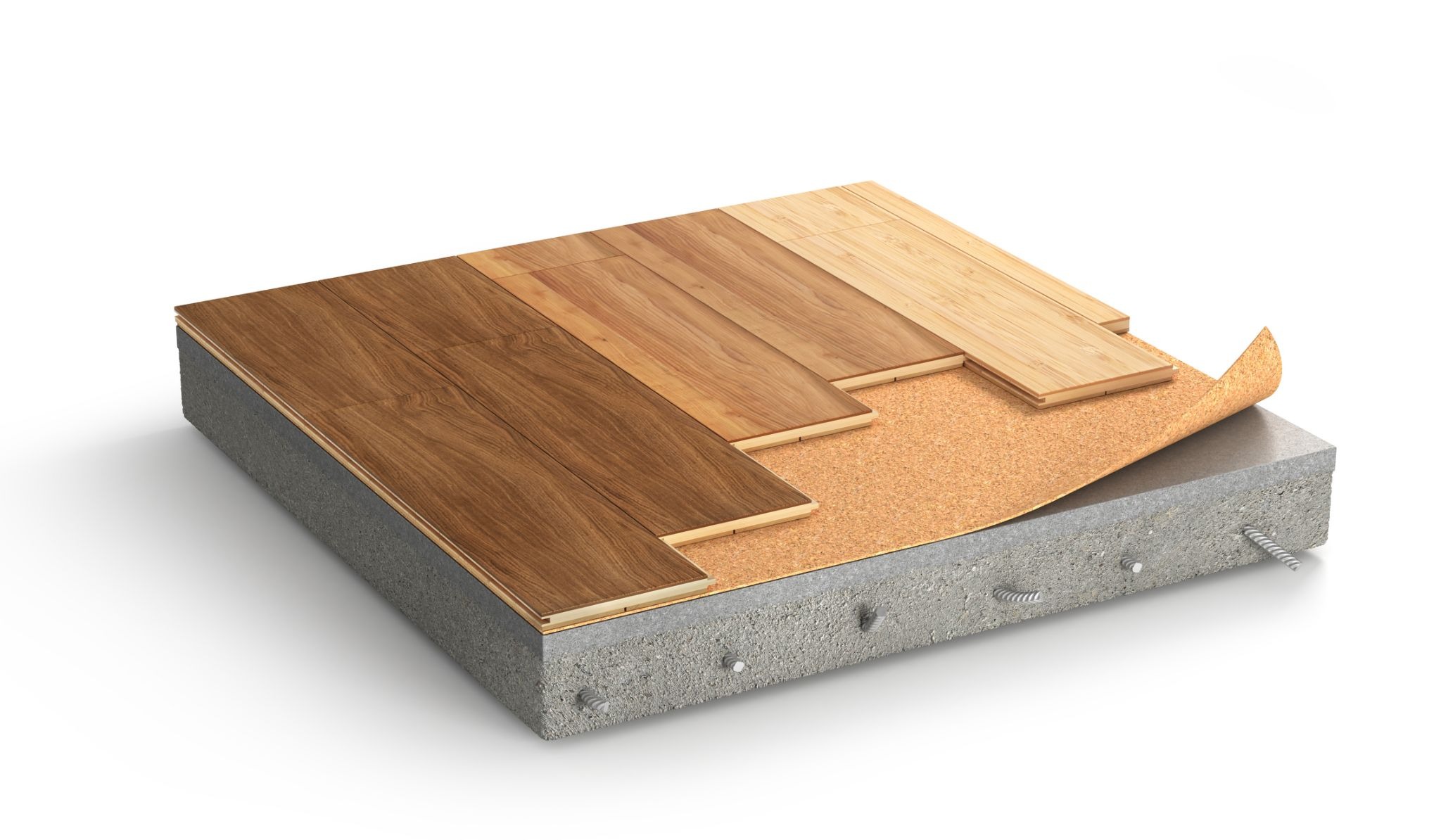
Engineered hardwood works well when homeowners want real wood with better dimensional stability than solid hardwood. It’s especially helpful in places where humidity shifts would make solid wood more risky. The important detail is the thickness of the top veneer. A thicker wear layer gives the floor more future, while a paper thin veneer may not allow meaningful refinishing.
Laminate has improved, especially in scratch resistance, but water remains the detail to respect. Some products offer better spill protection than older laminate floors, yet standing water can still cause trouble if it reaches seams or edges. For dry, busy rooms on a tighter budget, it can be a smart option.
The Wear Layer Is Where the Truth Lives
Flooring durability often hides in the specifications, not the display board. Two floors can look nearly identical under showroom lights while performing very differently after five years of traffic.
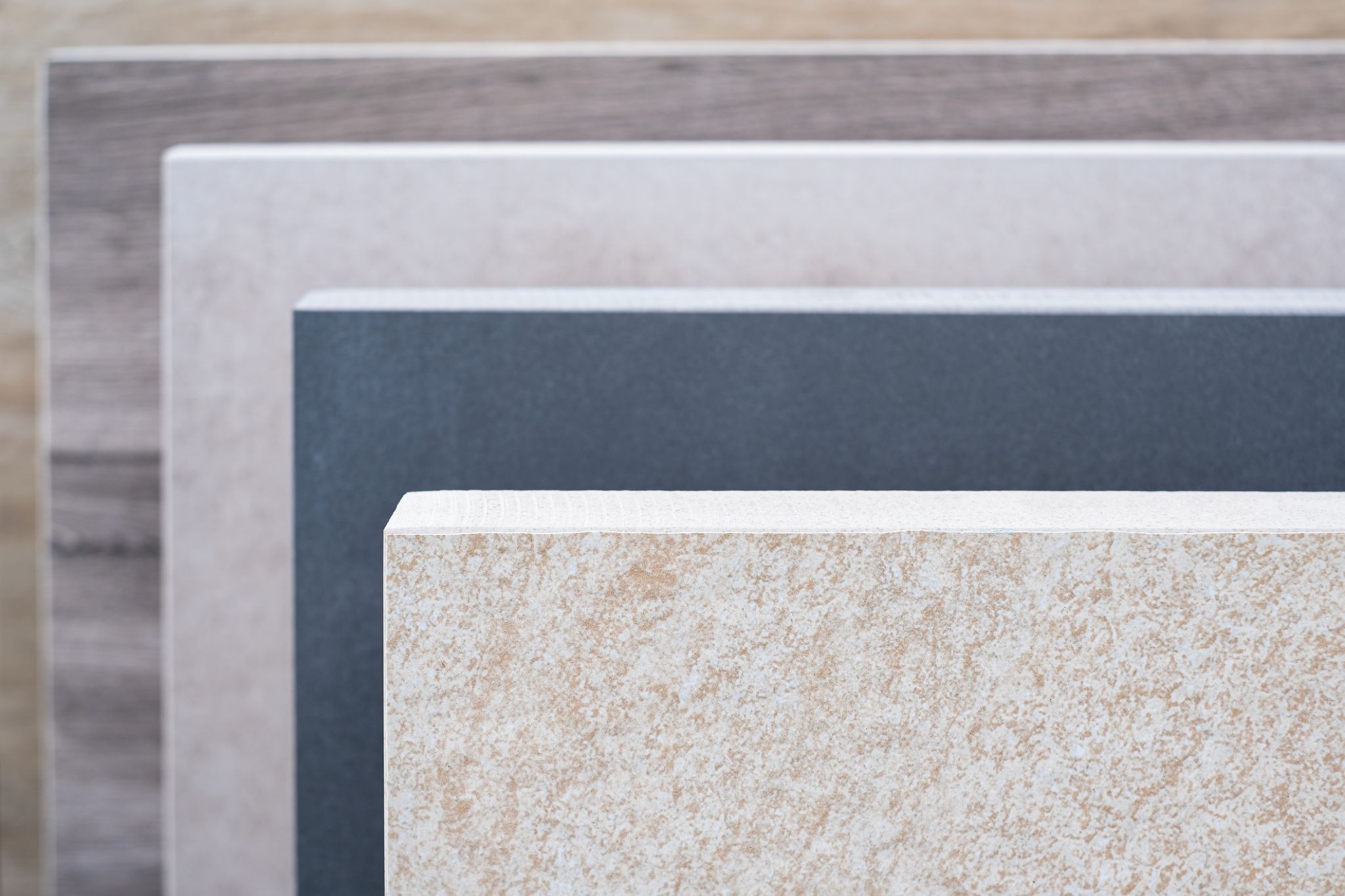
For vinyl plank, ask about the wear layer thickness and whether the product is intended for light residential, heavy residential, or commercial use. For tile, ask whether it’s rated for floor use and appropriate for the room where it will be installed. For carpet, density and fiber type matter more than softness alone. For hardwood, ask about species hardness, finish quality, and whether the surface can be refinished later.
Indoor air quality is also worth a glance, especially when flooring includes adhesives, finishes, or composite wood components. The EPA notes that volatile organic compounds can be released from certain solids and liquids, including products used inside homes, and that indoor concentrations are often higher than outdoor levels. EPA standards also apply to composite wood products such as hardwood plywood, medium density fiberboard, and particleboard sold in the United States, so homeowners shopping for engineered wood, laminate, or products with composite cores should ask about compliance and emissions information.
Don’t Ignore the Subfloor
A durable floor can fail early when the surface underneath it isn’t ready. Uneven subfloors can make floating planks separate, tile crack, or hardwood develop annoying movement. Moisture in a slab or crawlspace can also shorten the life of materials that would otherwise perform well.
This is where a professional installer earns their keep. They should check flatness, moisture conditions, transitions, expansion gaps, and manufacturer requirements before installation begins. Those details aren’t glamorous, but they decide whether the finished floor feels solid or starts whispering complaints after the first season change.
DIY installation can make sense for a handy homeowner using click lock vinyl plank in a simple, dry room. Larger projects, tile work, stairs, patterned layouts, floor leveling, and moisture prone spaces deserve more caution. The cost of fixing a failed floor can swallow the savings from doing it yourself.
The Best Floor Is the One That Matches Your Life
There’s no universal winner, because durability depends on what the floor has to survive. For wet rooms and high traffic areas, porcelain tile and quality luxury vinyl plank are usually strong contenders. For long term value and classic appeal, hardwood and engineered hardwood can be excellent when the home’s lifestyle supports them. For budget conscious updates in dry rooms, laminate may offer a practical middle ground.
Before you buy, bring home samples and live with them for a few days. Look at them in morning light and evening light. Place them near cabinets, rugs, pet beds, and furniture. Then ask the less glamorous questions about wear layers, moisture protection, warranties, installation requirements, and maintenance.
When you’re ready to choose flooring that can handle real life, TrustDALE’s vetted and certified flooring partners can help you compare materials, avoid costly installation mistakes, and get a quote from a company that’s been reviewed before you ever open the door.