
In the Southeast, winter damage doesn't always come from snow. More often it's a week of steady rain that finds the weak spot in your roof, or a surprise overnight freeze that bursts a pipe in the crawl space.
According to the Farmer's Almanac, this year's long-range forecasts point to a wetter, stormier winter for much of the region. NOAA's Climate Prediction Center seasonal outlook also favors above-normal precipitation across much of the Southeast from October through December 2026. That doesn't mean your street will get an ice storm, but it's a good reason to get ahead of the projects that protect your home from water damage and sudden cold.
The good news is that most of this work is straightforward if you start now, while contractors still have openings and the weather is still mild.
Prioritize the most critical home projects to protect your home's structure from water and sudden temperature drops. This proactive home improvement can help prevent costly property damage. Long-range forecasts can't tell you exactly what will happen on your street, but they can help you choose what to check first.
Key Takeaways
- Treat the wet, stormy winter outlook as a reason to prepare. Local conditions vary across the Southeast, and long-range forecasts cannot predict a leak, freeze or outage at your home.
- Prioritize safety and costly damage prevention: schedule heating service, test carbon monoxide alarms, protect exposed pipes and fix active roof leaks or drainage problems.
- Clear gutters and downspouts, then check where runoff goes. Water pooling near the foundation or entrances can signal drainage concerns and become a hazard if temperatures fall below freezing.
- Prepare for possible outages with emergency supplies, communication plans and safe generator procedures. For professional repairs, compare detailed written estimates and verify applicable licensing and insurance.
What the Southeast's 2026-2027 Winter Forecast Could Mean for Your Home
The Farmers' Almanac winter forecast describes the Southeast outlook as "cool, wet, and stormy." It calls for frequent storms, with sleet or freezing rain possible when colder air moves into the region.
Treat those long-range weather predictions as a reason to prepare, not a promise that your town will have an ice storm. The Southeast spans different elevations and climates, so a mountain community in western North Carolina faces different risks than a home near the Florida coast. Shifting ocean patterns such as El Nino and La Nina can add to winter volatility. Sudden downpours after drought conditions can also increase drainage and soil erosion risks.
NOAA's Climate Prediction Center seasonal outlook favors above-normal precipitation across much of the Southeast from October through December 2026. This climate outlook covers three months, not the entire winter, and favors above-normal precipitation totals in much of the region. NOAA's temperature outlook tracks a separate seasonal pattern. Neither source can identify a future leak, freeze or outage at your address.
For your home, prepare for the range of wet, freezing or stormy winter weather possible across the Southeast. Start with problems you already know about, such as an overflowing gutter or a room that never heats properly.
8 Home Projects to Finish Before Winter
Begin with the systems that protect your safety and prevent expensive water damage. Some checks take an afternoon; repairs involving heating equipment or vulnerable plumbing belong with a qualified professional.
If you only have time for the essentials, start here:
- Schedule heating service before the first cold night.
- Test your carbon monoxide alarms and check their expiration dates.
- Insulate exposed pipes in crawl spaces, garages, and other unheated areas.
- Find and label your main water shutoff.
- Clean gutters and downspouts, and make sure water drains away from your foundation.
- Check your roof and ceilings for signs of leaks.
- Build an emergency kit in case of power outages.
- Review generator safety if you have a portable generator.
Schedule Heating Service and Check Carbon Monoxide Alarms
Book furnace or heat-pump service before you need emergency heat. Ask the technician to check operation, airflow, electrical components and problems reported during the previous heating season. For fuel-burning equipment, ask about venting and combustion-safety checks. Request written findings rather than accepting a verbal assurance that everything looks fine.
Check or replace the furnace filter according to your system's instructions to maintain airflow. Move furniture and stored items away from supply and return vents. If one room stays cold, tell the technician; a filter change may not address an airflow problem.
Test your carbon monoxide alarms and check their replacement dates against the manufacturer's instructions. This matters especially if you have a gas furnace, fireplace or other fuel-burning appliance. The CDC's carbon monoxide guidance also recommends a battery-powered or battery-backup CO detector when you use a generator.

If you're in the Atlanta area and need professional service, you can compare TrustDALE-certified Atlanta heating and AC professionals before appointments fill.
Protect Pipes and Seal Drafts
Before freezing temperatures arrive, check water lines in crawl spaces, garages and other unheated areas. Frozen pipes can cause costly water damage. Install quality pipe insulation on exposed supply lines, disconnect garden hoses and protect outdoor faucets. Locate your main water shutoff, label it and show other adults where it is. If an old valve appears damaged or won't move easily, ask a plumber to inspect it rather than forcing it. Include the water heater and its relief valve in your utility checks.
Focus on sealing gaps around exterior penetrations. Apply appropriate exterior caulk and sealant around trim, doors and windows. Weatherproofing drafty windows can improve comfort, but protecting plumbing lines from cold takes priority. Check attic insulation depth for missing or compressed areas, and keep soffit vents clear. Air sealing and proper insulation can improve winter energy efficiency and reduce utility demand. Don’t block required appliance vents or cover electrical hazards.
Keep Heavy Rain Out and Drainage Moving
A Southeast winter may put your roof and drainage system through repeated rainstorms. Heavy precipitation totals can saturate roofing materials, so walk the property after a downpour. Water's path often reveals where your next repair belongs.
Clear Gutters and Check the Roof for Leaks
Start with gutter cleaning, clearing leaves and debris from gutters, downspout outlets and accessible ground drains. During the next rain, watch for water spilling over an edge or collecting beside the foundation. A clean gutter doesn't solve the problem if its downspout empties against the house.
From the ground, look for loose or damaged shingles and sections of flashing that appear lifted or worn. Professional roof maintenance can catch small flashing issues before they cause extensive rot. Inside, check ceilings, attic decking and areas around vents or chimneys for new stains or dampness. Photograph suspicious spots so a roofer can compare them with the exterior.
Don't climb onto a wet or steep roof to investigate. If you see an active leak, ask for a diagnosis and a repair scope. A quick sealant application may miss damaged flashing or another source of water entry.
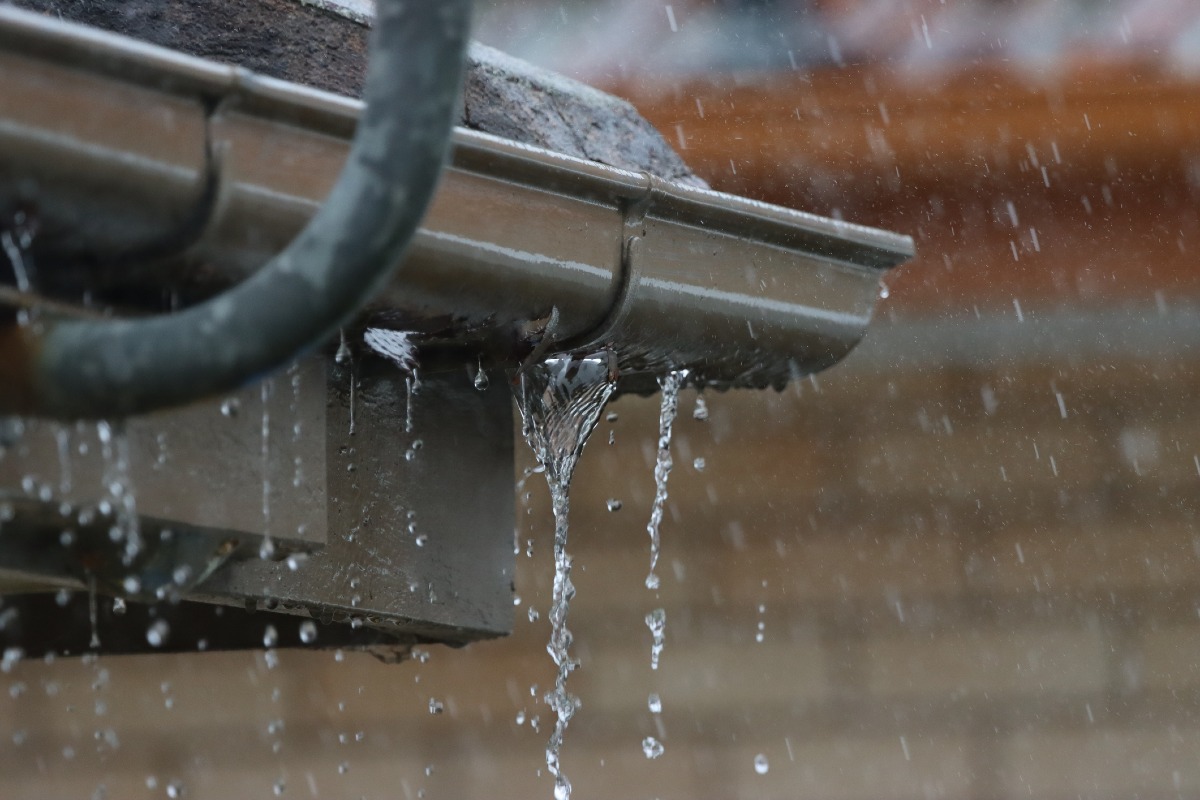 Gutters are a key part of protecting your home
Check Where Runoff Goes After It Leaves the Roof
Follow each downspout to its discharge point. Look for soil erosion, standing water, soggy mulch or water moving toward a crawl-space opening. If an extension has come loose, reconnect it so runoff flows away from the foundation, especially during storms with high precipitation totals.
Check low spots near walkways and entries as well. Water that pools there can become a slip hazard when freezing temperatures hit overnight. Persistent water near the house may call for a drainage assessment, especially if you also find moisture indoors. Describe when and where the water appears; that information helps a contractor distinguish a runoff problem from a plumbing leak.
Prepare for Power Outages and Winter Storms
A short ice event can interrupt power even where snow rarely accumulates. Prepare before a winter storm arrives. Plan for the hours before crews can safely reach your home and assemble essential emergency supplies in case an outage lasts longer.
Assemble Emergency Supplies and Communication Plans
Decide how household members will communicate and where you'll go if you can't safely heat the home. Keep flashlights, chargers, needed medications and essential supplies easy to reach. If someone depends on powered medical equipment, arrange a backup plan before a storm is in the forecast. If you use electric space heaters, keep them on a level surface away from bedding and curtains, and follow fire safety instructions.
Sign up for county emergency alerts and check how your utility reports outages when severe weather threatens grid reliability. Keep your phone charged when a storm approaches. For a business, identify who can shut off water, secure the building and contact customers or employees if power fails.
A winter kit also needs to match the people who use it. Account for infants, pets and anyone whose medication requires refrigeration. Review expiration dates and replace supplies you've used. A kit assembled years ago may not be ready when you need it.
Run Portable Generators Safely
If you have a portable generator, test your plan before an outage. Know what it can power and how you'll connect equipment safely. Ask a qualified electrician about a properly installed transfer switch if you want to supply household circuits. Never connect a generator to a wall outlet.
According to Ready.gov's winter weather guidance, generators and fuel belong outdoors, at least 20 feet from windows, doors and attached garages. Never run one in a home, garage or partially enclosed space. Point the exhaust away from the building and keep carbon monoxide alarms working. If an alarm sounds, get outside and call emergency services.
Match the Work to Your Home's Known Trouble Spots
The same forecast can expose different weaknesses in neighboring homes. Use what you've seen during past storms to decide which inspection deserves attention first.
Check Older Houses and Unheated Spaces
If your home has a crawl space, inspect visible pipe insulation for decay, tears or gaps, and check for drafts around openings. In older houses, check worn door seals and attic areas where insulation has shifted. A room that gets unusually cold may point to an air leak or heating issue worth investigating before a freeze.
Look for evidence of previous water problems, too. Peeling paint near a window, a musty closet or a stain that grows after rain gives a contractor a useful starting point. Take dated photos and note the weather when the problem appears. That record is more helpful than asking for a general winterization quote.
How to Prioritize Work and Choose a Qualified Contractor
Contractor calendars can fill as cold weather approaches. Sort projects by the harm they could cause, then get clear bids for work that needs professional help.
Fix Safety Problems and Active Water Entry First
Treat a malfunctioning fuel-burning heater, a CO alarm, an active roof leak or a pipe already at risk of freezing as urgent. Next, handle drainage that repeatedly sends water toward the building. Cosmetic draft fixes can wait if you must divide the work across several appointments.
When you request an estimate, describe the symptom rather than prescribing an unverified fix. Tell a roofer where and when a stain appears. Tell an HVAC technician whether the system short-cycles, makes an unusual noise or fails to heat one room. A reputable provider should explain the cause before proposing an expensive replacement.
Compare the Work Behind Each Price
When comparing home improvement estimates, get at least three detailed bids when the situation allows. Compare the materials, repair method, price, schedule and warranty terms in writing. Ask who will do the work, whether a permit is needed and who will obtain it. Licensing and permit requirements vary by location, so verify the applicable requirements with your local authority.
A low bid is worth investigating if it leaves out a diagnosis, necessary materials or labor coverage. Ask for the business's license information where required and proof of liability insurance. Confirm what the warranty covers and how changes to the agreed scope will be priced.
Need help getting your home winter-ready? Find TrustDALE Certified roofing, plumbing and HVAC professionals at TrustDALE.com or in the TrustDALE Certified Services Guide. Every Certified partner has passed our seven-point vetting process and is backed by the $10,000 Make It Right Guarantee.
Frequently Asked Questions
What should I do first to prepare my home for a wet Southeast winter?
Start with safety risks and problems that could cause expensive damage, such as a malfunctioning heating system, exposed pipes, an active roof leak or water draining toward the foundation. Then clear gutters and check downspouts and other drainage paths.
How should I protect pipes before a cold snap?
Check pipes in crawl spaces, garages and other unheated areas, and insulate exposed supply lines with appropriate pipe insulation. Disconnect garden hoses, protect outdoor faucets and locate your main water shutoff; ask a plumber to inspect a damaged or stuck valve rather than forcing it.
How can I use a portable generator safely during a winter outage?
Operate it outdoors at least 20 feet from windows, doors and attached garages, with exhaust directed away from the building. Never run a generator indoors or connect it to a wall outlet; keep carbon monoxide alarms working and ask an electrician about a properly installed transfer switch for household circuits.
Get Ahead of the First Cold Snap
Handle heating safety, exposed pipes and drainage before temperatures drop. Then tailor the remaining work to your home's age, location and known trouble spots.
A stormy outlook is a prompt to prepare your home's exterior and drainage for significant seasonal precipitation totals. Track local temperature outlook changes before booking contractors, while you still have time to compare options.