
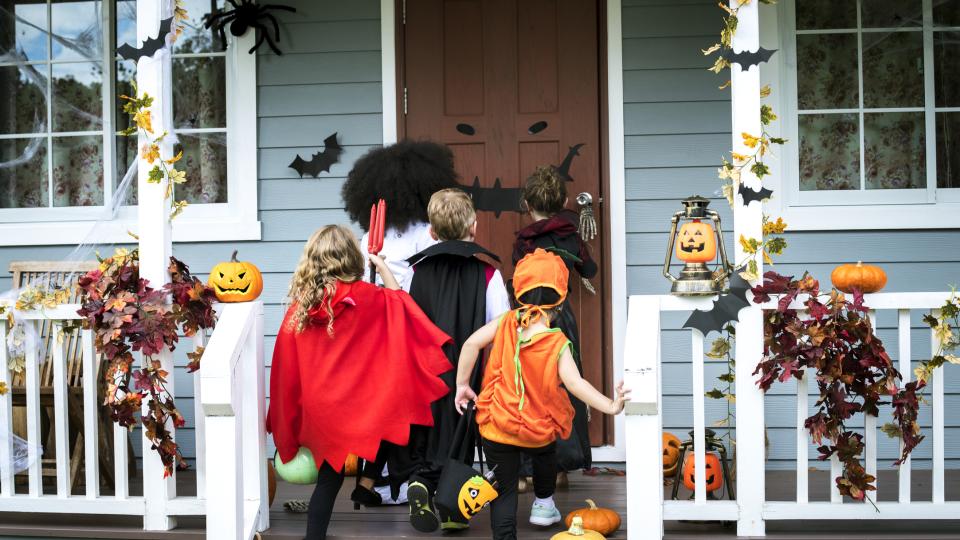
Picture it: it's 6:45 p.m. on October 31. Your little princess or pirate is sprinting toward a glowing porch, her ninja brother is two houses back, and a minivan is rolling down the block looking for parking. Nobody's in danger yet, but everything about this scene is happening fast.
Here's the good news. Most Halloween mishaps come down to a handful of things you can sort out in about ten minutes: where you'll walk, how visible your kids are, and how welcoming your own front steps really are. Nail those now, and you get to spend Halloween night eating stolen Kit Kats instead of worrying.
Whether you're the one herding trick-or-treaters or the one handing out candy, this guide has you covered.
Your 60-Second Halloween Safety Checklist
Short on time? (And what busy parent isn't?) Screenshot this and you're most of the way there.
-
Pick a familiar route, a turnaround point and a home-by time
-
Check your town's official trick-or-treat hours (there's no national curfew)
-
Add reflective tape and a flashlight to every costume and treat bag
-
Use sidewalks and cross only at corners or crosswalks
-
Check the local forecast the week of Halloween, not a months-old outlook
-
Homeowners: light the path, clear the clutter, secure the dog, slow the car
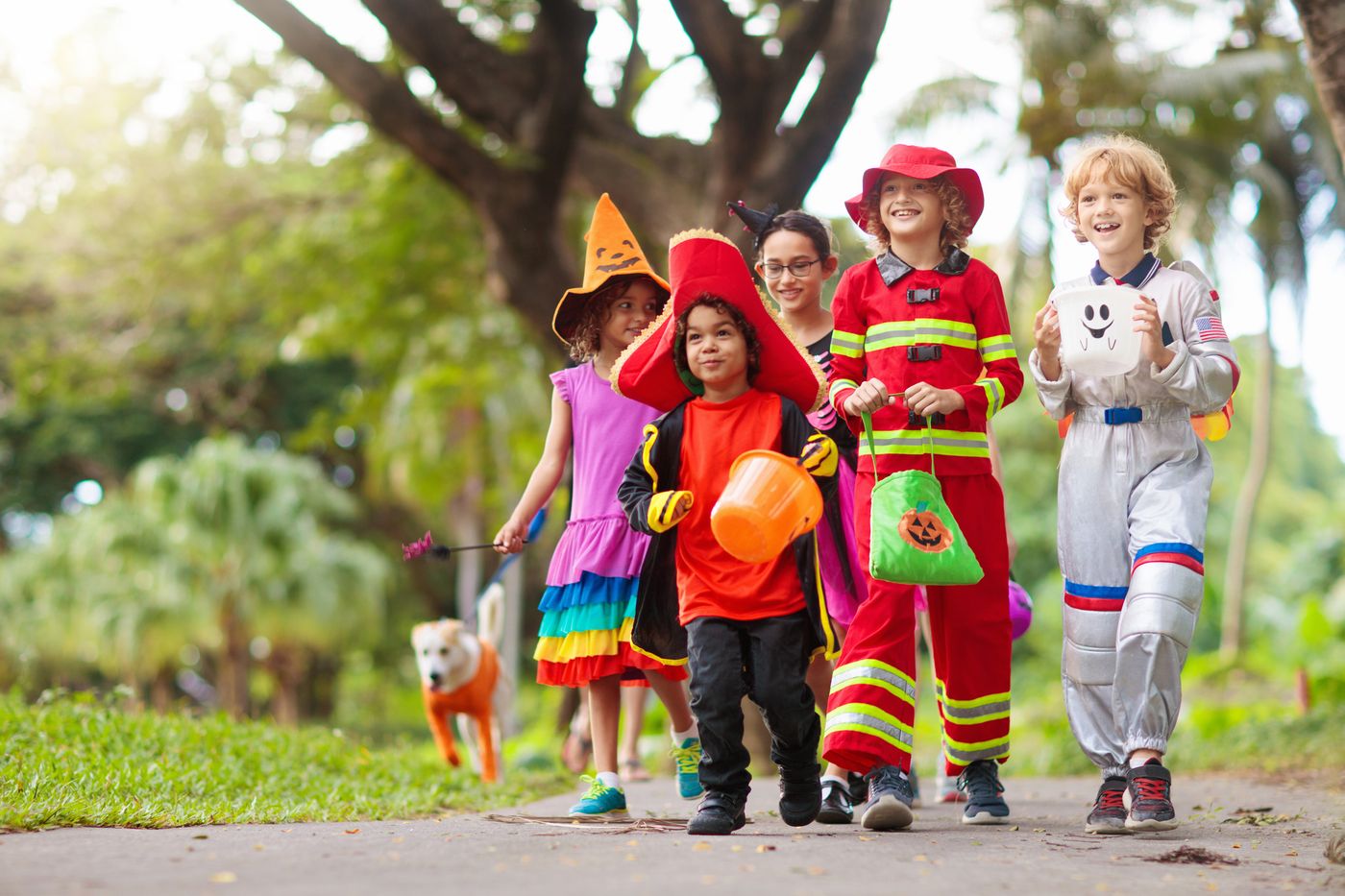
A little planning makes for a fun Halloween Map It Out: The Route and Ground Rules That Prevent Most Problems
The best Halloween safety tip is also the least glamorous: decide where you're going before anyone zips up a costume. Familiar streets mean you already know where the sidewalks disappear, which crossings are sketchy and which driveway is basically a ski slope.
Before you head out, check your city or town's published trick-or-treat hours and any guidance from local police or event organizers. There's no single national Halloween curfew, so what's normal in one suburb may be different ten minutes away.
Set the "Who, Where and When" Before You Leave
Give everyone the same three answers: which streets you're walking, where you'll turn around and what time you'll be home. For older kids heading out with friends, add a check-in time and a meet-up spot in case the group splits. Every child should know exactly which adult or group they belong to.
How old is old enough to go solo? The U.S. Department of Transportation recommends adult supervision for children under 12 who are out at night. But age is only part of the answer. Think about your child's judgment, how well they know the route and what your local rules say.
Cross Like a Pro
Stick to sidewalks wherever they exist. The CDC's Halloween pedestrian safety guidance says kids should carry flashlights and cross at corners, using crosswalks where possible. And one hard rule: never dart out between parked cars, even when the house with the full-size candy bars is right across the street.
Costumes: Look Amazing, Stay Visible, Walk Easy
A costume only works if your kid can actually trick-or-treat in it. Do a full dress rehearsal before the big night: shoes on, mask on, treat bag in hand. Watch for hems that drag, masks that block side vision and shoes that slide on wet leaves.
A few quick upgrades make any costume safer:
- Choose flame-resistant fabrics, and keep capes and flowing sleeves away from candles and luminaries.
- Add reflective tape to the costume and the treat bag, ideally on arms and legs where movement catches headlights.
- Bring real light. Glow sticks help drivers spot you, but a flashlight is what shows you the curb.
- Swap the mask for face paint if it makes cars or steps hard to see, or just push it up while walking.
Halloween Costume Ideas for 2026
Need inspiration? These are trending picks based on editorial lists, retailer selections and search interest. They're not official sales rankings, and every idea works for any kid.
Superheroes and gaming Spooky and iconic Movies and music Spider-Man or another superhero Wednesday Addams A K-Pop Demon Hunters character Mario A classic witch Moana A Minecraft or Roblox character Baby Yoda A Descendants character Whatever they pick, remember: comfort, visibility and freedom to move beat a screen-perfect replica every time.
Behind the Wheel on Halloween? Drive Like a Parent
On Halloween, a pedestrian can pop out from anywhere: behind a parked SUV, the end of a driveway, the middle of a dark lawn. The National Highway Traffic Safety Administration's (NHTSA) Halloween safety tips urge drivers to slow down and watch for young trick-or-treaters in unexpected places.
In practice, that means easing off before intersections, scanning both sides of the street and pausing a beat before backing out of your driveway. Put the phone away and pad your drive time, especially near neighborhood entrances and community events.
Walking with kids? Don't assume a driver sees you just because their headlights are pointed your way. Wait for traffic to fully stop, cross together and keep little ones beside you until everyone's back on the sidewalk. Dropping kids off? Park somewhere safe instead of stopping in an active lane.
Trunk-or-Treat and Fall Festivals: What to Check Before You Go
Church trunk-or-treats, school parties and community fall festivals are a great alternative to pounding the pavement. But here's the catch: most of them happen in parking lots, and parking lots have cars.
Before you commit, check the event hours, age guidelines and whether adults must stay with kids. When you arrive, look for three things:
- Cars separated from walkers, with arriving traffic kept away from the candy zone.
- Good lighting across the whole area, not just the decorated trunks.
- Room to move without kids getting squeezed between bumpers.
Don't be shy about asking organizers how they handle traffic, where to park and which entrance families should use. And if the lot is still open to arriving cars, keep kids close until you're inside the event area.
Will It Rain on Halloween 2026? How to Read the Forecast
We'd love to tell you. But nobody can reliably forecast one city's weather on the evening of October 31 this far out.
What we do have are NOAA's seasonal outlooks, which show increased odds of above-normal rain in parts of the Southeast and modest chances of warmer-than-normal temperatures across much of the region. Those are probabilities for broad areas and weeks, not a Halloween-night preview.
Your move: check your local National Weather Service forecast in the days before Halloween, then adjust.
- Chilly? Pick a base layer that fits under the costume.
- Rainy? Choose rain gear that doesn't cover the reflective tape, plus shoes with real grip.
- Wet and slick? Shorten the route and skip houses with slippery steps or muddy paths.
The Candy Check (and Planning for Every Kid)
Make one rule before you leave: no eating until we're home. It gives you a chance to sort the haul in good light and toss anything with torn packaging or treats you can't identify.
If your child has a food allergy, read the actual label every time. Wrapper colors and familiar-looking brands can fool you, especially with seasonal or fun-size versions.
A little planning helps every kid enjoy the night:
- Medication: Bring anything your child might need, and make sure the supervising adult knows where it is.
- Stamina: For kids who tire quickly or have trouble walking far, plan a shorter loop with a built-in rest stop.
- Sensory needs: Crowded events can be overwhelming, so check whether you can step out and come back.
- Phones: Keep a charged phone with the adult group, but keep your eyes up at crossings. Older kids going out solo should know how to reach you and where to go if the group splits.
Homeowners: Make Your Porch the Safest Stop on the Block
Try this tonight: walk from the sidewalk to your front door as if you were a seven-year-old in a mask, carrying a pillowcase, staring at your inflatable ghost. Would you trip? That's exactly how your visitors will approach, often in a rushing pack. A quick daylight walkthrough is the easiest way to catch problems early.
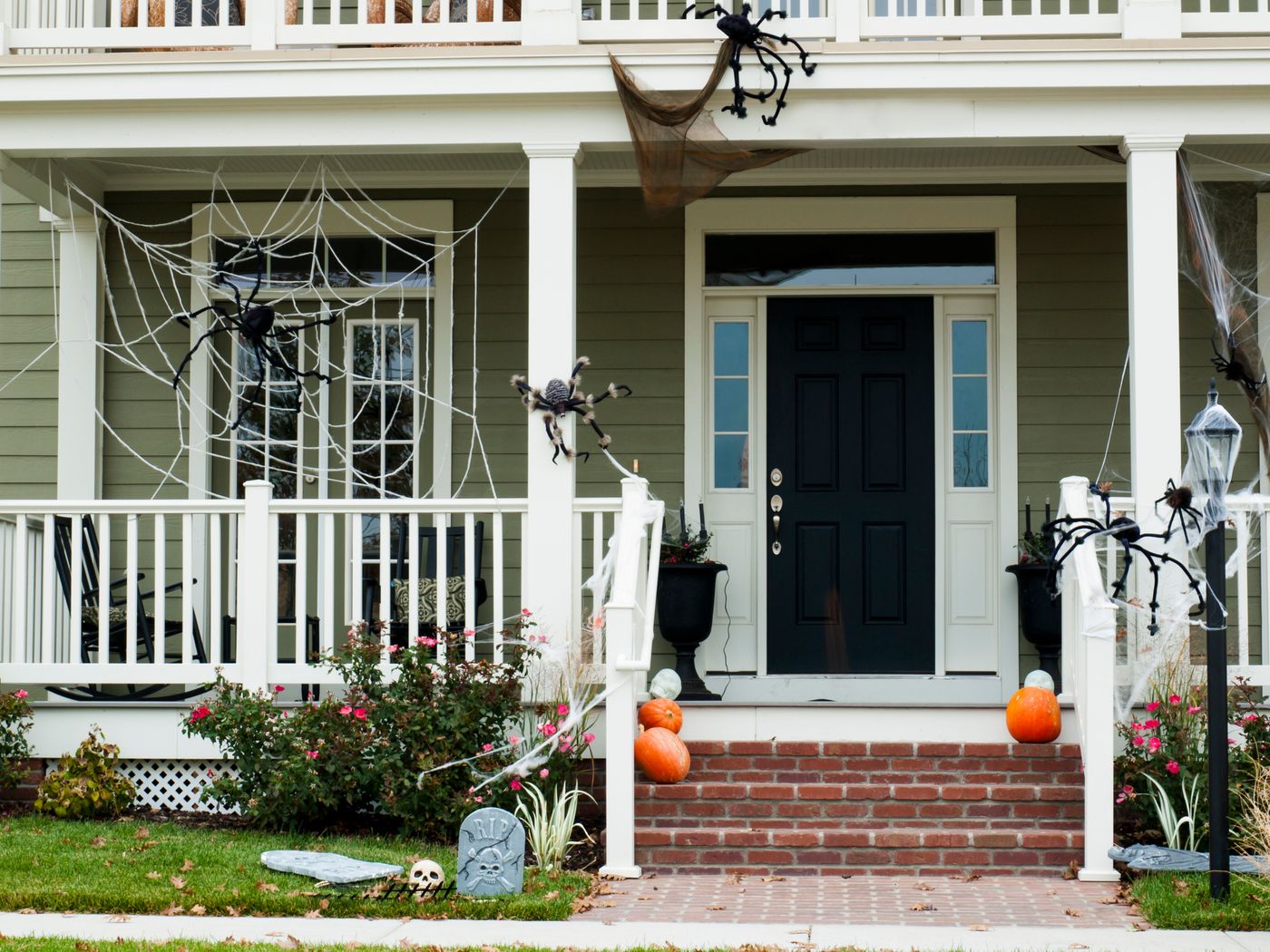
Good lighting and unobstructed pathways are key for a safe Halloween Light the Whole Path, Not Just the Door
Flip on the porch light, then check what it actually reaches. One bright bulb by the door can leave the steps and lower walkway in total darkness. TrustDALE's outdoor lighting advice for pathways explains why fixture placement should follow how people really use the space.
Then do a fast sweep:
- Move hoses, toys and loose decorations off the route.
- Keep extension cords out of walking areas.
- Clear wet leaves from steps and make sure railings don't wobble.
- If your main approach is uneven, guide visitors along a safer, lit path instead.
Want a fix that lasts past Halloween? Atlanta-area homeowners can find TrustDALE Certified outdoor lighting specialists for pathway, step and entryway lighting. Every TrustDALE Certified Partner passes our rigorous seven-point inspection process and is backed by TrustDALE's free to you $10,000 Make It Right Guarantee.
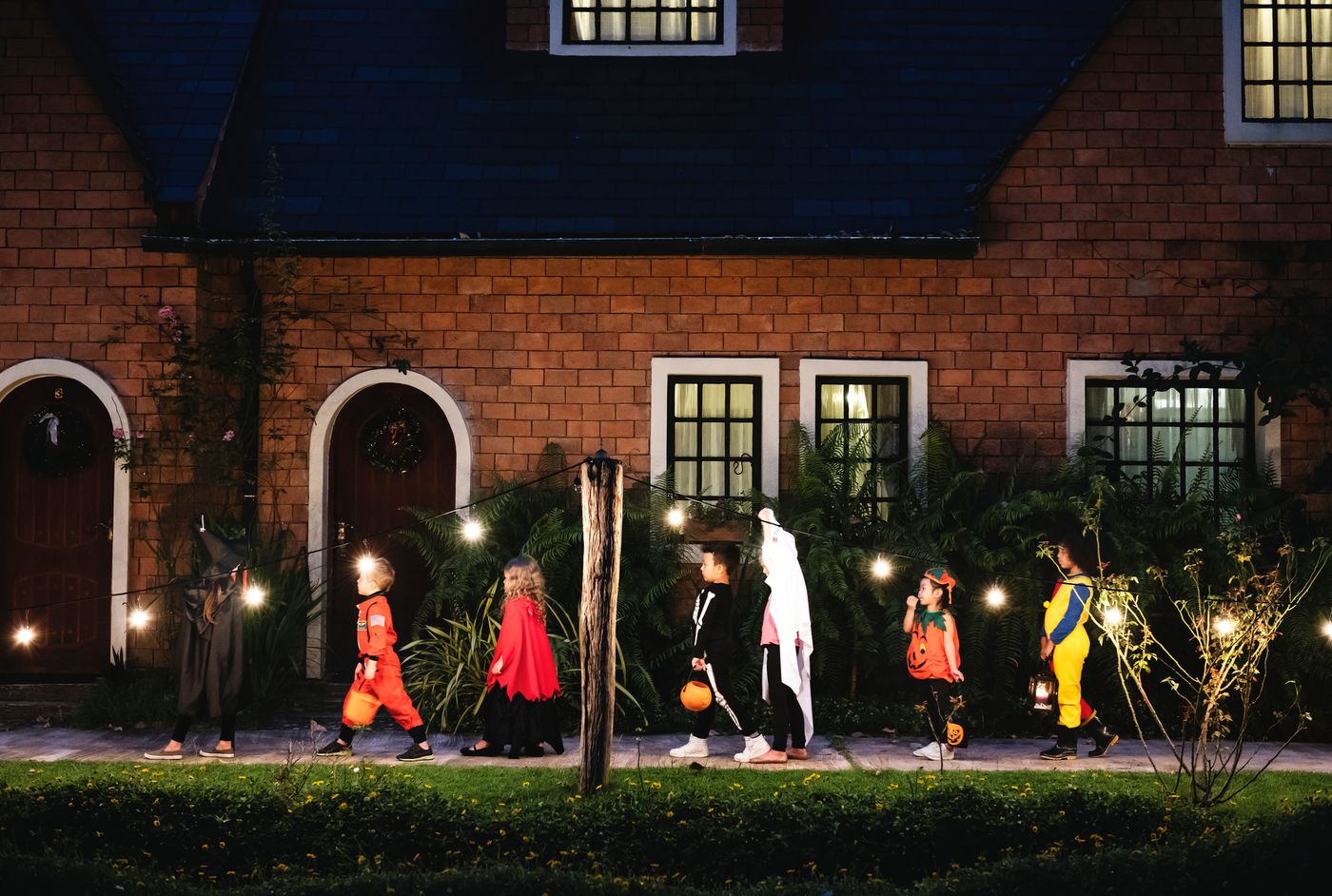
Light the way for little ghosts and goblins Pets, Flames and Driveways
- Pets: Secure them away from the door before the first knock. Even the calmest dog can get stressed by nonstop doorbells and costumed strangers.
- Flames: Use battery-powered candles in pumpkins and lanterns. You get the glow without an open flame near a flowing costume.
- Driveways: Don't route visitors across an active driveway. If you have to move a car, check the whole driveway and sidewalk first, then pull out slowly.
Candy at the Door, Not Contractors in the House
Halloween brings a lot of knocks, and not all of them are kids. If someone offers to clean your gutters or fix your lights on the spot, politely decline. Verify credentials and insurance before arranging any work, and share that rule with any older relative handing out candy.
Halloween Safety FAQ
What time should kids go trick-or-treating?
It depends on your community, since there's no national Halloween curfew. Check your local government, police department, neighborhood association or event organizer for official hours. Aim to head home before tired kids stop paying attention near traffic.
What age can kids trick-or-treat without an adult?
There's no universal age. The U.S. Department of Transportation recommends adult supervision for children under 12 who are out at night. For older kids, consider whether they reliably follow crossing rules, know the route and have a trusted group to walk with.
How do I make my child visible after dark?
Put reflective tape on the moving parts of the costume and on the treat bag, add a flashlight or glow stick and choose lighter colors when you can. Visibility helps, but kids should still stay on sidewalks and cross at corners or crosswalks.
Is trunk-or-treat safer than door-to-door?
Not automatically. Either can be well run or chaotic. At a trunk-or-treat, focus on how organizers keep moving cars away from families. In neighborhoods, focus on crossings, lighting and supervision.
Can I trust a long-range Halloween weather forecast?
Not yet! It's too far out and any meteorologist will tell you that many things can change between now and October 31. Seasonal outlooks describe broad regional odds. Check your local forecast a few days before October 31, then adjust clothing, shoes or your route.
The Bottom Line: Ten Minutes of Planning, a Night of Fun
Halloween doesn't need to be nerve-wracking. Check your local hours, pick a route, agree on a home-by time and make costumes easy to see and move in. Once you're home and handing out candy instead of collecting it, give your visitors a bright, clear path to the door.
Those small steps free you up for the good stuff: the costumes, the neighbors and the great candy trade of 10 p.m. Dibs on the Reese's cups!