


What Fence Builders Notice Over the Years
Most homeowners experience their fence in moments: installation day, the first noticeable fade, the day a board finally gives way. Fence builders, however, experience something slower and more revealing. They see how materials respond over seasons, how small decisions compound, and how early neglect quietly shortens a fence’s useful life.
In Georgia, exposure adds up quicker than you may realize. Heat, humidity, and frequent rainfall create steady pressure on wood fencing, especially when protection is delayed or skipped altogether. FenceWorks of Georgia works across neighborhoods where these conditions are constant, and that long term exposure shapes how their team approaches fence longevity from the very beginning.
Their perspective is realistic rather than hopeful guesswork. Read on for their expert advice on what keeps fences intact and looking great, year after year.
How Sun and Moisture Wear Down Wood Fences
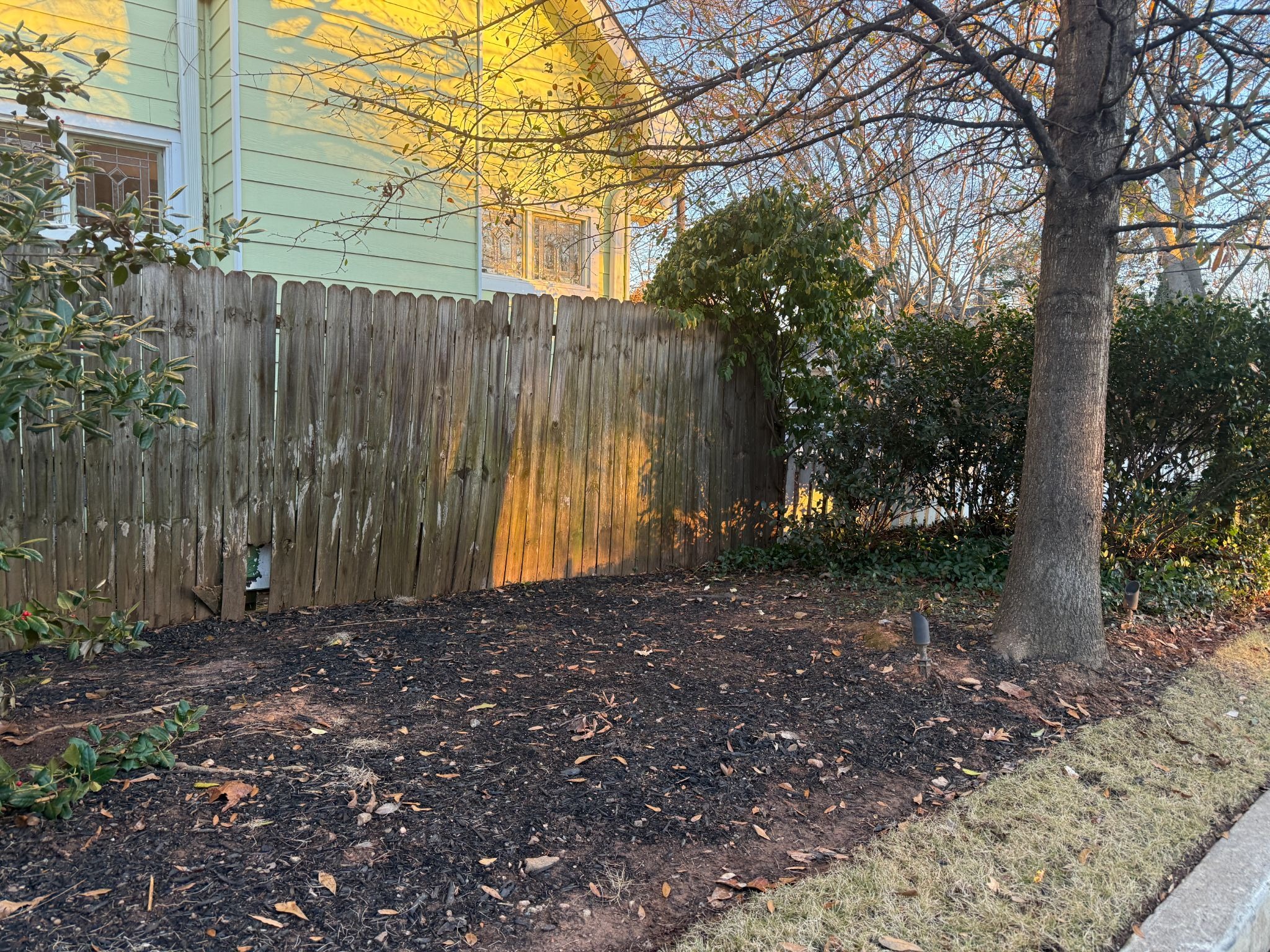
Wood fences begin to lose durability at the surface. Sunlight strips moisture from exposed boards, drying out natural oils and leaving wood vulnerable to cracking and warping. Discoloration often appears first, followed by subtle changes in shape that many homeowners overlook until structural damage is already underway.
Moisture compounds the problem. Rain and humidity seep into unsealed wood, lingering longer at posts and lower rails where airflow is limited. Over time, that trapped moisture weakens the fence from the inside out.
Austin Owen, owner of FenceWorks of Georgia, explains the process clearly.
“Think of stain and seal as sunscreen for your lumber. Without it, UV rays dry out the wood's natural oils, causing it to turn gray, crack, and warp. A professional-grade stain provides the barrier your fence needs to withstand the elements, ultimately adding years to the life of your fence."
That barrier is what separates a fence that weathers gradually from one that deteriorates prematurely.
Why Waterproofing Changes the Timeline
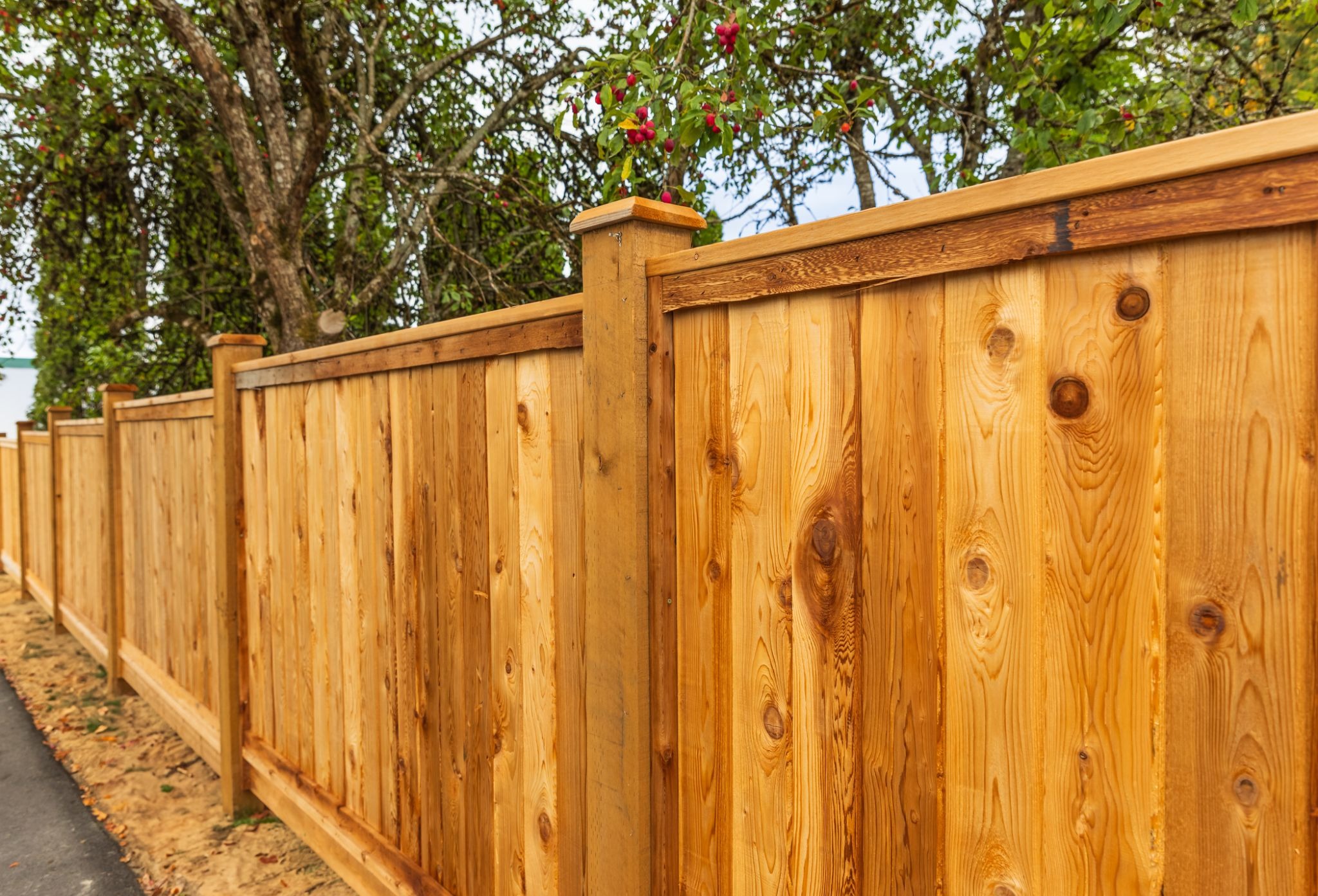
Waterproofing can be a gamechanger for your fence by disrupting the way it interacts with the environment. Properly sealed wood resists absorption; rain beads rather than soaking in, humidity takes longer to penetrate, and surface wear slows noticeably. The result is stability over time, not just improved appearance.
FenceWorks of Georgia advises homeowners to seal new fences once the wood has had time to dry naturally. Sealing too early traps moisture; waiting too long leaves boards exposed during their most vulnerable phase. Reapplication depends on exposure, yard conditions, and material type, which is why professional assessment often prevents guesswork and uneven results.
Maintenance Habits That Add Years
Fence builders tend to notice the same issues during service visits, usually ones that began small and were easy to miss:
- Vegetation pressing against boards and holding moisture
- Soil accumulating at post bases
- Hardware loosening as wood expands and contracts
- Early rot dismissed as cosmetic
Addressing these issues early preserves structure and prevents larger repairs later.
Where Professional Experience Matters Most
Some maintenance tasks are manageable for homeowners, but sealing, material selection, and structural repairs benefit from experience. Application technique affects how well a sealant performs; surface preparation determines how long protection lasts. These details matter much more than product labels.
FenceWorks of Georgia brings climate-specific knowledge to every project, designing and maintaining fences suited for the Southeast’s conditions. Their TrustDALE certification reflects a commitment to proper installation, transparent guidance, and consumer protection, all of which help homeowners make decisions based on durability rather than short term fixes.
A Smarter Way to Protect a Fence Investment
Fence longevity improves when homeowners understand how wear actually develops and when they rely on guidance shaped by years of hands on work. Sun exposure, moisture intrusion, and delayed sealing are predictable challenges, and they are manageable with the right approach.
Working with a TrustDALE certified partner like FenceWorks of Georgia gives homeowners access to that experience early, when it makes the greatest difference, so that your fence will last for as long as it’s supposed to.