


Your phone rings, and someone says you missed jury duty. They claim an arrest warrant is waiting and demand payment before officers arrive. A text or email may make the same threat, complete with an official-looking seal or case number.
The Federal Trade Commission (FTC) is warning consumers about this jury duty scam. Don't panic, send money, share personal information, or follow directions in the message. Pause, preserve the evidence, and verify any jury issue through the court itself.
Key Takeaways
- A call, text, or email threatening arrest over missed jury duty is likely a scam, especially when it demands immediate payment.
- Don't pay, click links, share personal information, provide verification codes, or call back the number displayed by the sender.
- Save the messages and other evidence, then verify any jury issue through the court's official website or independently located contact information.
- If you paid or shared information, contact your bank, payment provider, and relevant account providers immediately, and report the scam to the FTC at ReportFraud.ftc.gov.
- A real missed summons must be handled through the court's procedures, not through the person who threatened you.
FTC advises: If you missed jury duty, ignore arrest threats
The Federal Trade Commission's warning is plain: calls, texts, and emails threatening arrest over jury duty are designed to frighten you into paying before you can check the facts.
The FTC writes, "They're a scam designed to steal your money." That message applies to calls, voicemails, texts, emails, and social-media messages. These fraudulent communications may claim to represent federal courts, state or local courts, court officials, a sheriff's office, police departments, or a jury service administrator.
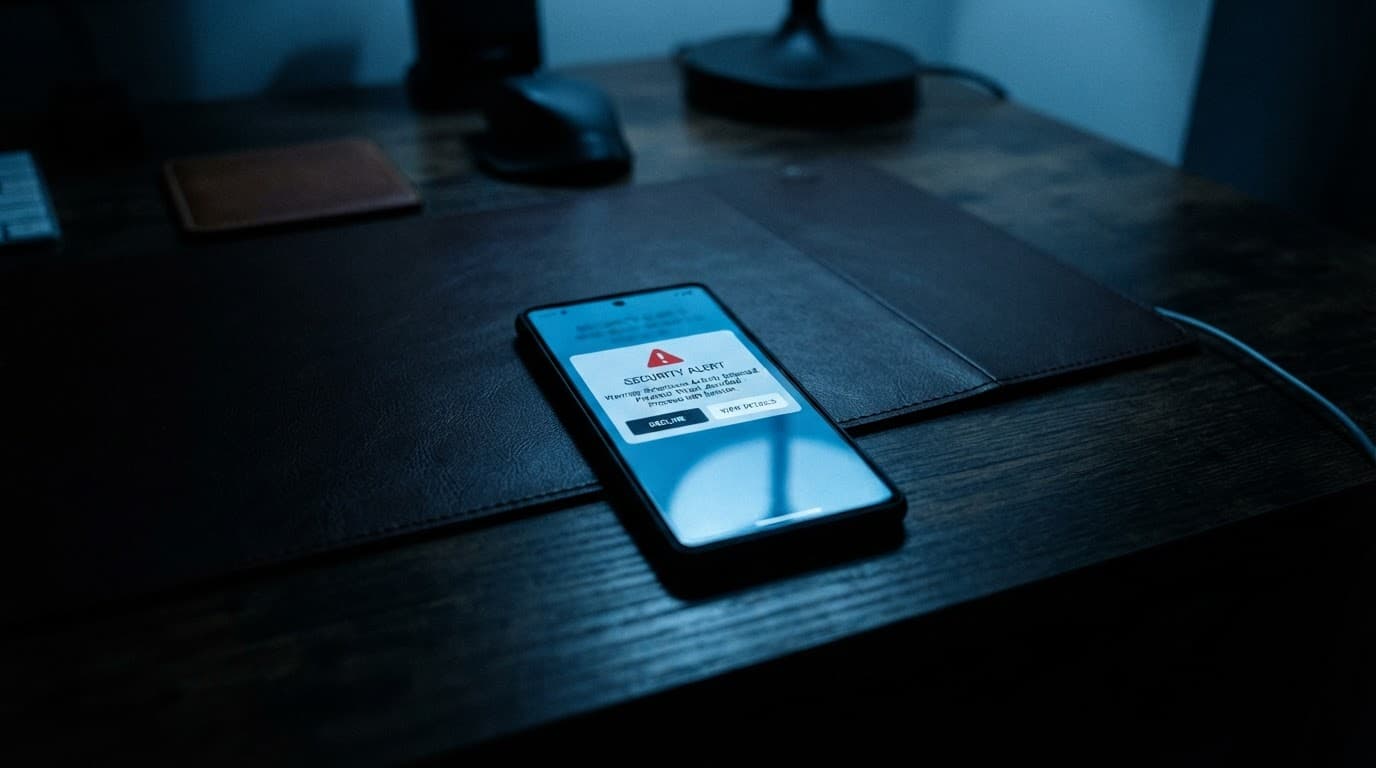
### Why scammers use arrest threats and urgent payment demands
Fear shortens the time you give yourself to think. A caller may say a judge issued a warrant, cite a fake badge number, or insist you stay on the line. They want to control the conversation before you contact the court or a family member.
Then comes the payment demand. Cryptocurrency, wire transfers, cash pickups, and payment apps are common because they can be hard to reverse. A government office won't demand a gift card or prepaid gift cards to settle a jury matter.
A real missed-summons issue can be handled through the court. A caller who blocks independent verification is protecting a scam, not a legal process.
What a legitimate jury-duty notice usually looks like
Jury procedures differ across states and local courts. Still, a genuine jury summons may arrive through official mail or another court-approved channel, with a way to confirm the matter without immediate payment pressure.
Do not use the phone number, link, or email address in a suspicious message. Instead, find the court through its official website or a government directory you locate yourself. Ask the clerk's office or court's jury office whether a summons or missed appearance exists.
How to respond when someone threatens arrest over missing jury duty
Stay calm and end the conversation. Treat suspicious calls and related messages as a reason to stop communicating.
Don't click links, open attachments, provide personal information or a Social Security number, send money, or read a verification code to the caller. Never make a payment over the phone.
You also shouldn't call back the displayed number. A fake caller ID can make a scammer appear to call from a courthouse, sheriff's office, or police agency.
Five steps to take before you respond
- Stop communicating with the sender. Hang up, delete no evidence, and block the number only after you save the details.
- Document what you received. Take screenshots and save voicemails, phone numbers, email addresses, wallet addresses, payment instructions, and the time of contact.
- Locate the court independently. Use the court's official website, not a search-ad result, text link, or number provided by the caller.
- Ask the court to check your status. Confirm whether a jury summons, absence, deadline, or required action exists. If a real problem occurred, the court can tell you the proper local process.
- Report the attempt. File a report with the FTC at ReportFraud.ftc.gov and notify the impersonated court, local police, or another law enforcement agency. The FTC's earlier jury-duty scam alert also warns consumers not to act on surprise payment demands.
Warning signs that expose a fake jury-duty notice
A polished message can still be fraudulent. Scammers can copy court branding and use personal details exposed in data breaches or public records.
Treat these signs as a stop signal:
- The sender demands payment the same day to stop an arrest.
- A caller says officers will arrest you immediately unless you pay.
- A sender may demand a gift card, specifically instruct you to buy prepaid gift cards, or request payment through a prepaid debit card.
- The message contains poor spelling, an odd email address, or a link outside an official government domain.
- The caller refuses to let you independently contact the court.
- The sender asks for bank details, a Social Security number, login credentials, or copies of identification.
The jury duty scam works because it creates a false deadline. Any request that prevents you from checking the claim deserves extra scrutiny.
What to do if you already paid or shared personal information
Act quickly, but don't blame yourself. Contact the payment provider right away and ask whether it can stop or reverse the transaction. Recovery isn't guaranteed, particularly with some payment methods, but prompt reporting gives you the best chance.
Call your bank about a transfer or debit-card payment, especially if you shared financial information. Contact your credit-card issuer to dispute a charge. Notify the wire service, cryptocurrency platform, or payment app if you used one. Keep confirmation numbers and copies of every report.
If you shared passwords, change them immediately and turn on multifactor authentication. Monitor bank and credit-card accounts for unfamiliar activity. If you disclosed identifying details, review your credit reports and consider a fraud alert or security freeze. You can also report identity theft and get a recovery plan through IdentityTheft.gov.
How to handle a real missed summons without falling for a scam
If you actually missed jury duty, the court's procedures, not the scammer, determine what happens next. Don't ignore an official jury summons because you've seen scams.
A documented failure to appear can have local consequences and, depending on the jurisdiction and facts, may involve contempt of court. Only the court can explain the applicable process. Procedures differ between state courts and federal courts.
Contact the clerk of court or jury service department through independently verified contact information. Ask what record they have, what documents they need, and how to resolve the issue. Deal with the court directly, never with the person who first threatened you.
Protect yourself from future court and government impersonation scams
Bookmark official court websites, the sheriff's office website, and verified government contact pages. Pause before returning unexpected or suspicious calls, and confirm the number independently.
For a household or business, set a hard rule: no urgent payment or transfer gets approved until a second person independently verifies the request. That pause can stop losses tied to fake vendors, utility threats, tax demands, and this jury duty scam.
Frequently Asked Questions
Can I be arrested for missing jury duty?
A missed summons can have local legal consequences, but a threatening caller is not the authority who decides what happens. Contact the court or jury service office through independently verified contact information to confirm your status and next steps.
Will a court demand payment over the phone to stop an arrest?
No legitimate court should pressure you to make an immediate payment by gift card, cryptocurrency, wire transfer, cash pickup, or payment app. Treat an urgent payment demand as a major warning sign and verify the matter directly with the court.
What should I do if I receive a jury-duty scam call?
End the conversation, don't provide information or payment, and avoid calling back the displayed number. Save screenshots, voicemails, phone numbers, and payment instructions, then report the attempt and notify the impersonated court or law enforcement agency.
What if I already paid the scammer?
Contact your bank, card issuer, wire service, cryptocurrency platform, or payment app immediately and ask whether the transaction can be stopped or reversed. Change compromised passwords, enable multifactor authentication, monitor your accounts, and report the scam to the FTC.
Keep Fear From Making the Decision
A threatening message about jury duty demands three steps: stop contact, don't pay, and verify through official court channels. Save the evidence before reporting the attempt.
Fear and urgency are the scammer's tools. Independent verification protects your money and identity, while legitimate court matters can be resolved through official channels.