

-default.jpg)
The Danger of Believing Termite Myths
Every year, termites are responsible for billions of dollars in property damage across the U.S. Despite this, many homeowners underestimate the threat, often relying on misinformation that gives termites more time to thrive unnoticed. The problem with myths is that they create a false sense of security, leaving homes unprotected until the damage is severe – and expensive.
Understanding the truth about termites is one of the most important steps you can take as a homeowner. Let’s break down the biggest myths and why believing them could put your home at risk.
Myth #1: “My House Can’t Get Termites”
It’s easy to assume termites are only a problem for houses made entirely of wood, but the truth is, no home is immune. Even brick or concrete houses have wooden framing, drywall, and flooring that termites find irresistible. In fact, termites can navigate through tiny cracks in foundations or squeeze into damp crawlspaces to find a way in.
Moisture is a key factor in attracting termites. Leaky pipes, clogged gutters, or poor drainage can create the perfect environment for an infestation. Homeowners who think their home’s materials will protect them often discover too late that termites don’t discriminate—they just look for access and conditions that let them thrive.
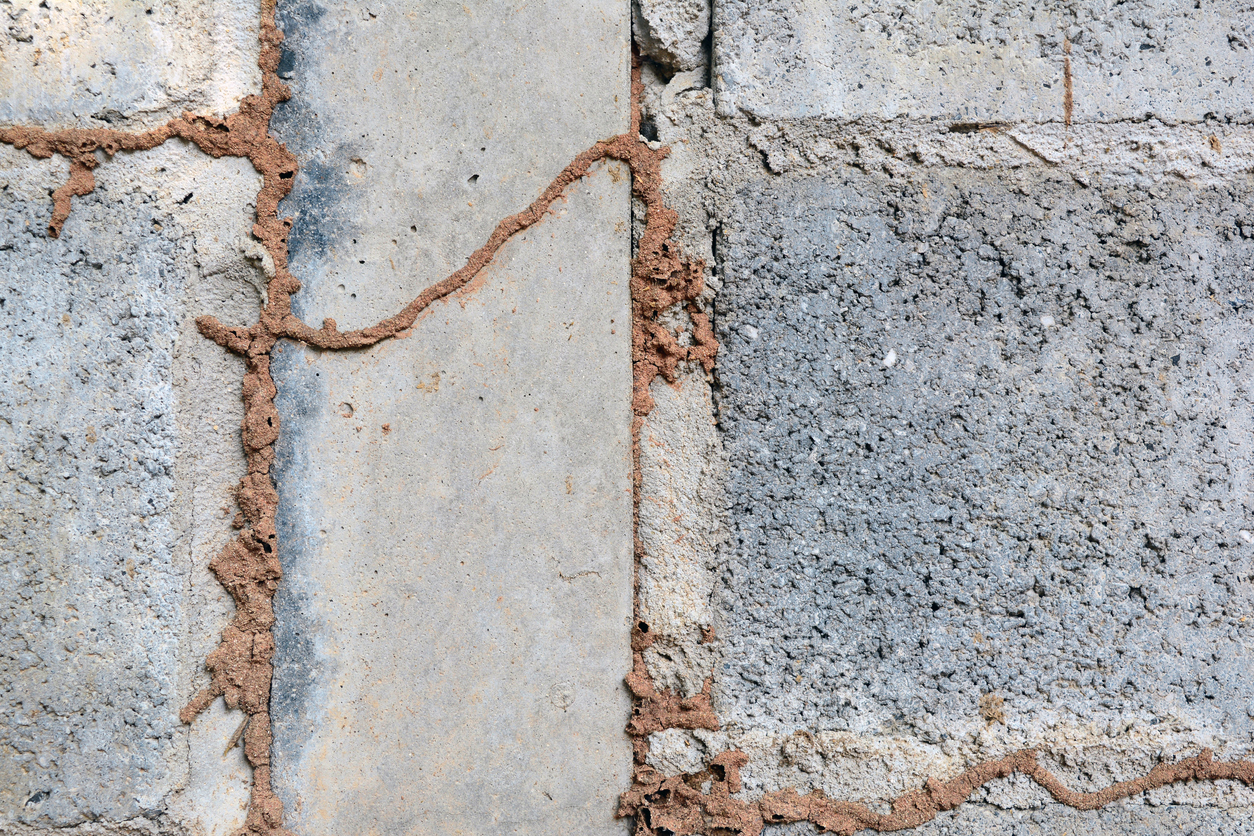
Myth #2: “If I Don’t See Termites, I Don’t Have Them”
Unlike ants or roaches, termites are experts at staying hidden. Colonies often live deep within walls, floors, or soil, feeding out of sight for years before showing visible signs. By the time you notice sagging floors or peeling paint, the damage may already be extensive.
There are, however, subtle red flags homeowners should watch for:
- Mud tubes running along foundations or basement walls
- Wood that sounds hollow when tapped
- Small piles of discarded wings near windows or doors
Waiting until you “see” termites is one of the most dangerous mistakes you can make. By then, the colony has likely multiplied into thousands or even millions of insects quietly eating away at your home.
Myth #3: “DIY Sprays Will Solve the Problem”
A can of spray might seem like a quick solution, but unfortunately, it rarely addresses the real issue. At best, it kills the termites you can see—but that’s only a fraction of the colony. The majority of termites remain hidden underground or in structural wood, where sprays can’t reach.
Colonies are highly organized and resilient. A single queen can live for years, producing thousands of offspring. Without eliminating the entire colony, termites quickly rebound, and the infestation continues to grow. Homeowners who rely on DIY treatments often end up facing more costly damage down the road.
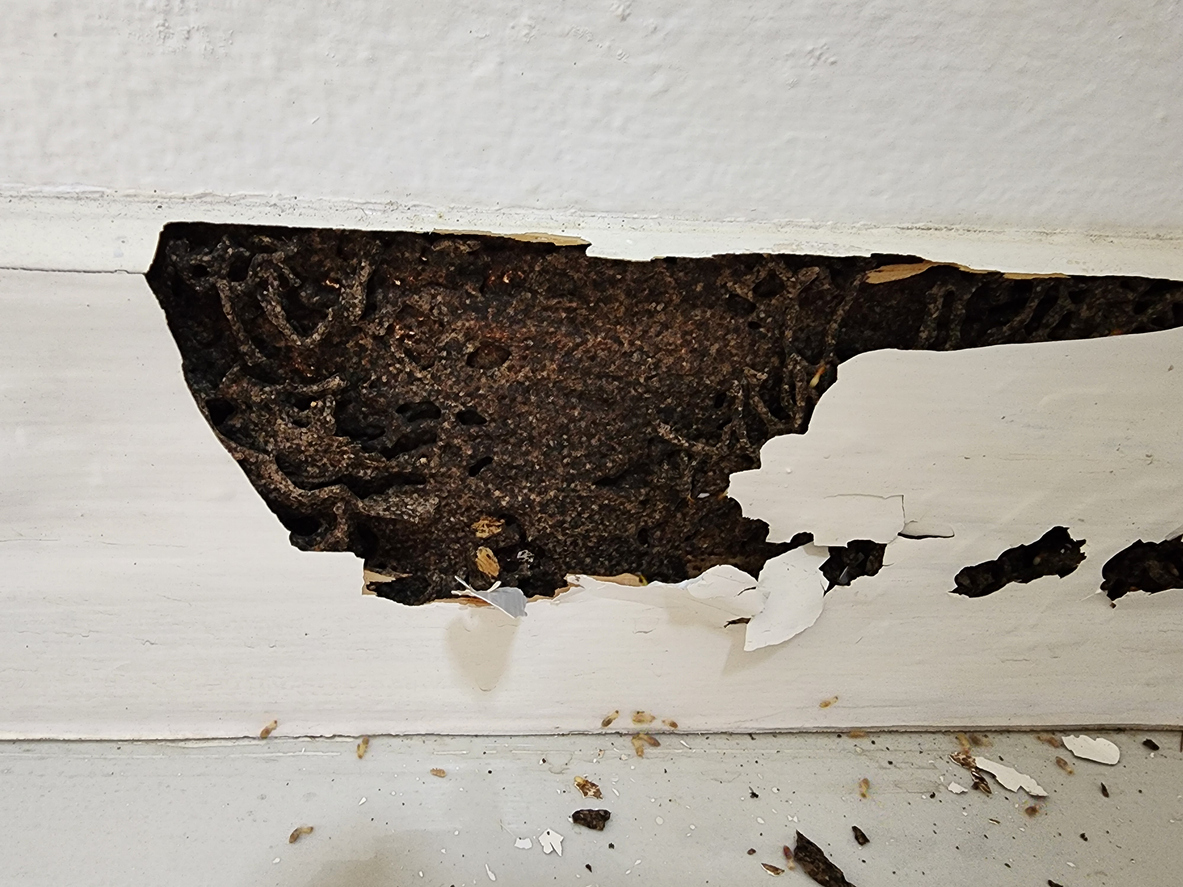
The Reality of Termite Control
Termites are not a pest you can manage alone. Professional inspections and treatments are the only proven way to eliminate colonies and keep them from coming back. Pest control specialists use techniques like soil treatments, baiting systems, and barrier applications that go far beyond what’s available in stores.
Even more important than treatment is prevention. Annual inspections, proper moisture control, and protective systems around the foundation can save thousands of dollars in repairs. Compared to the cost of fixing structural damage, professional termite protection is a bargain.
Don’t Let Myths Put Your Home at Risk
Believing termite myths doesn’t just lead to bad decisions—it gives these destructive pests more time to eat away at your home. Whether you own a brand-new house or one that’s stood for decades, the risk is real.
The best defense is knowledge and action. Don’t wait until the signs are obvious or the damage is done. Contact a TrustDALE certified termite professional to schedule an inspection and get the peace of mind that comes with proven protection.