

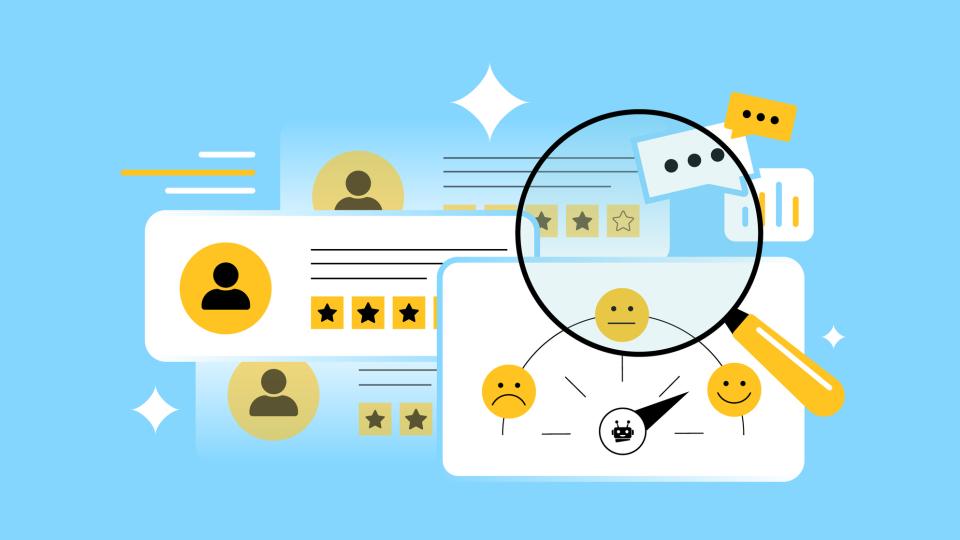
Online Reviews Matter More Than Ever
Before hiring a contractor, choosing an apartment, or buying a new product, where’s the first place we look? That’s right, the reviews! Those star ratings feel like a shortcut to certainty, offering reassurance that someone else has already taken the risk. When reviews are honest, they help consumers make confident decisions and reward businesses that deliver real value.
That trust breaks down when reviews are manipulated. According to recent Federal Trade Commission warnings, fake or misleading reviews continue to distort the marketplace, steering consumers toward products and services that may not deserve their confidence.
The FTC’s Warning to Businesses
The FTC recently sent warning letters to companies across multiple industries, urging them to examine their review practices and remove deceptive content. The message was clear: creating, purchasing, or posting fake reviews, or selectively incentivizing only positive feedback, can trigger enforcement actions and significant penalties.
These letters are not formal findings of wrongdoing, but they signal increased scrutiny. The FTC monitors consumer complaints and marketplace activity, then steps in when review practices appear unfair or misleading. For honest businesses, fake reviews create an uneven playing field. For consumers, they can lead to wasted money, unsafe services, or long term frustration.

What the Consumer Review Rule Prohibits
The FTC’s Consumer Review Rule spells out exactly what businesses cannot do. For instance, reviews and testimonials cannot misrepresent whether someone actually used a product or service, or whether their experience was positive or negative. Companies also cannot offer compensation that depends on reviewers expressing a certain opinion.
Disclosure matters as well. Reviews written by company insiders, employees, or their immediate family members must be clearly identified. The Rule also addresses subtler forms of manipulation, including suppressing unfavorable reviews, operating company controlled review platforms without transparency, or exaggerating social media influence through inflated follower counts or engagement metrics.
Violations of the Rule can carry civil penalties of up to $53,088 per violation, a reminder that review manipulation is no longer treated as a minor marketing issue.
How Consumers Can Spot Suspicious Reviews
Fake reviews are not always obvious, but certain patterns raise red flags. Consumers should slow down and evaluate reviews with a critical eye. A sudden surge of glowing feedback in a short time frame, vague language repeated across multiple posts, or reviews that focus more on sales language than real experiences can all signal a problem.
Looking across multiple platforms helps provide context, especially when reviews appear only on a company’s own website or a sponsored source. Independent platforms and recent reviews tend to offer a clearer picture of how a business is actually performing today.
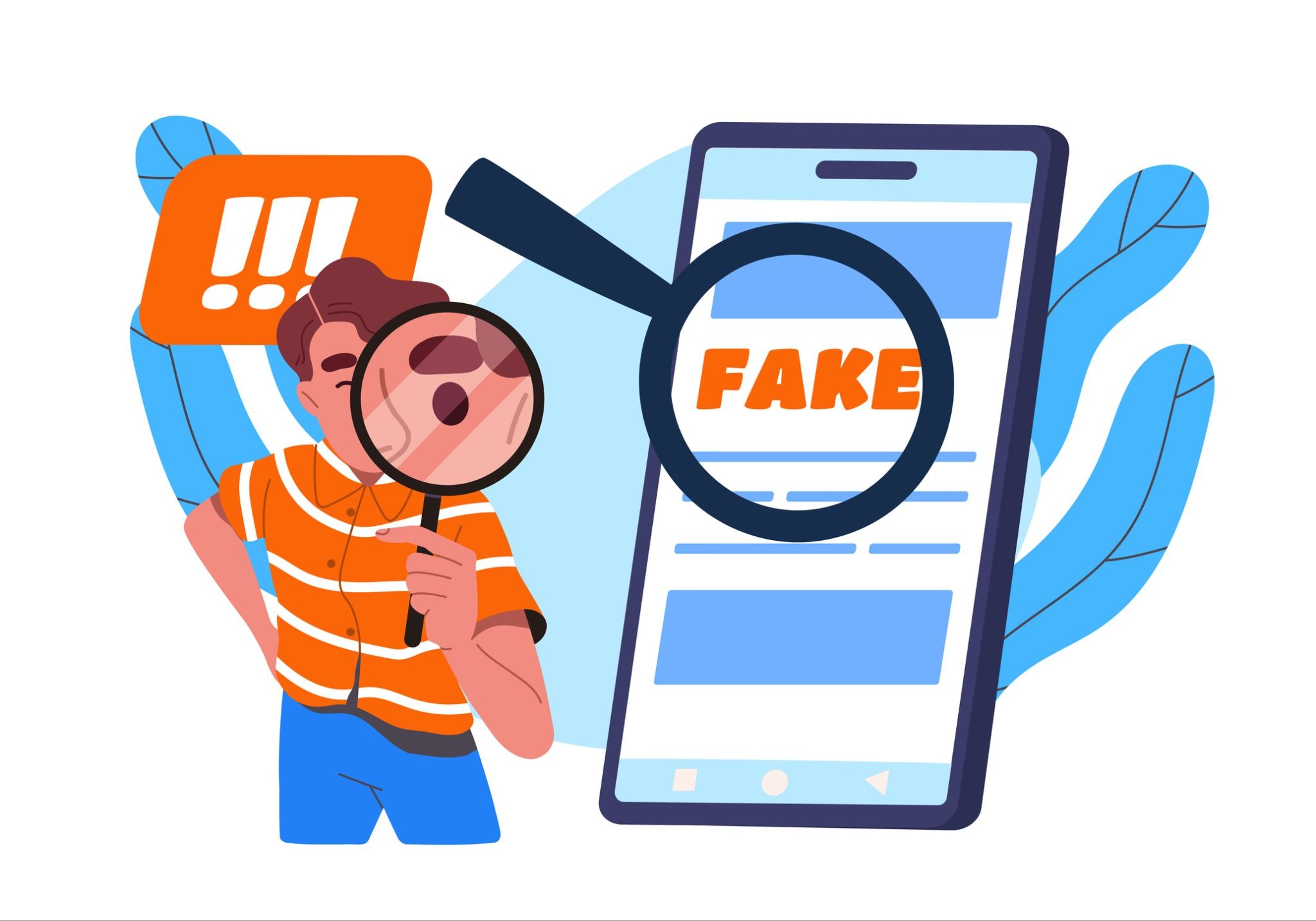
Reporting Fake Reviews Protects Everyone
Consumers play an important role in keeping the review ecosystem honest. Suspicious reviews can be (and should be) reported directly to the platform where they appear, including major marketplaces and search engines. The FTC also encourages consumers to report fake reviews at ReportFraud.ftc.gov, noting the product or service involved and including the phrase “fake review” in the description.
These reports help the FTC identify patterns, prioritize investigations, and protect others from being misled.
The Bottom Line for Consumers
Online reviews still matter, but they work best when paired with healthy skepticism. The FTC’s recent actions signal that review integrity is a growing priority, especially as consumers rely more heavily on digital feedback to make everyday decisions. Taking a few extra minutes to evaluate reviews carefully can save far more time, money, and stress later.