

A refrigerator can seem perfectly fine in March and start acting tired by July. The difference isn’t always age or a major breakdown. Summer brings warmer kitchens, more door openings, heavier grocery loads, and constant demand for cold drinks and ice, so the appliance has to work through conditions that weren’t there a few months ago.
This blog looks at the summer habits and household conditions that put extra strain on refrigerators, ice makers, washers, and dryers. You’ll learn what to check safely on your own, what small adjustments may help, and when it’s time to bring in a TrustDALE certified appliance repair partner before a repair turns into a spoiled food emergency.
Your Fridge Is Working Against the Room
A refrigerator cools by pulling heat out of the food compartment and releasing it through the condenser area. During summer, that process gets harder. Warm kitchen air, frequent door openings, packed shelves, nearby cooking heat, and extra demand for ice can all keep the appliance running longer.
Use an appliance thermometer rather than trusting the control dial alone. The refrigerator should stay at 40 degrees Fahrenheit or below, and the freezer should stay around 0 degrees Fahrenheit.
If temperatures keep drifting, look for other warning signs: soft ice cream, sweating containers, food spoiling too soon, frost in odd places, water under drawers, or a motor that barely seems to rest.

Ice maker trouble often belongs in the same conversation. Slow ice production may come from an overdue water filter, a freezer that isn’t cold enough, a blocked shutoff arm, or a kinked water line. Buzzing, grinding, repeated fill sounds, or leaks near the unit are good reasons to stop troubleshooting and call a professional.
The Hidden Heat Around the Coils
The condenser area is easy to forget because it’s usually behind or underneath the refrigerator. When dust, pet hair, and kitchen debris collect there, the appliance has a harder time getting rid of heat. In summer, that buildup can turn a small efficiency problem into a cooling problem.
Unplug the refrigerator before cleaning accessible coil areas, and check the owner’s manual so you know where the coils are located. A coil brush and vacuum can remove a lot of buildup without turning the job into a repair. While you’re nearby, look at the space around the appliance. A refrigerator pushed tightly against the wall, boxed in by storage, or sitting near a heat source may not have enough room to breathe.
Door seals deserve a quick check too. Wipe away sticky residue, look for cracks, and close the door on a dollar bill. If it slides out easily in several places, cold air may be escaping every time the compressor runs.
Summer Stress in the Laundry Room
Refrigerators aren’t the only appliances that feel summer’s extra workload. Dryers often handle more towels, damp clothes, uniforms, and bulky loads when school is out, sports are in full swing, and outdoor routines get messier.
Clean the lint screen before every load and check that the outside vent flap opens while the dryer runs. Longer drying times, unusual heat, or a burning smell shouldn’t be brushed off.
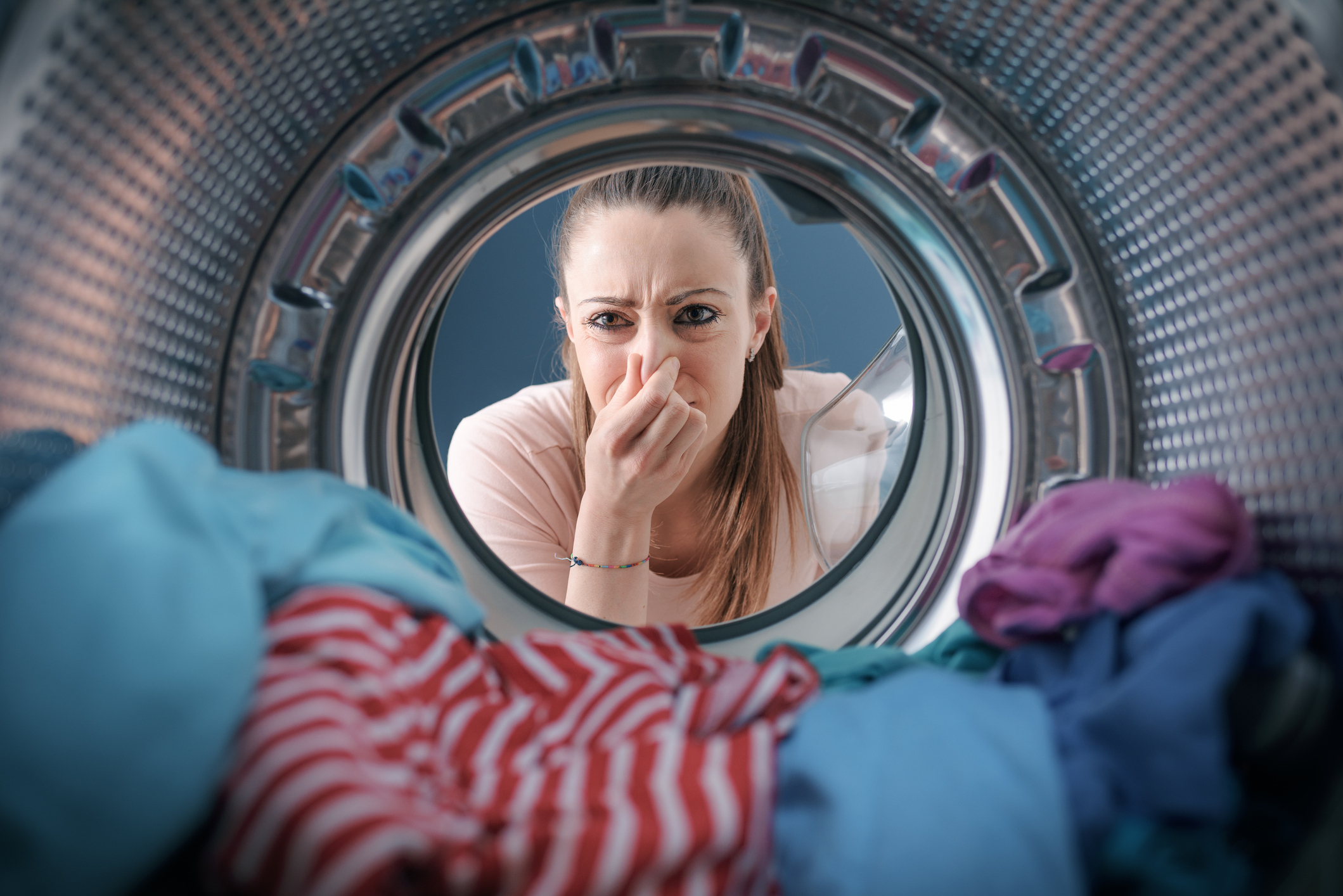
Washers can develop musty odors faster in warm weather, especially front load models. Leave the door open after use when possible, wipe the gasket, and run the cleaning cycle if the smell comes back quickly.
Leaks, loud banging, drainage trouble, or electrical issues call for professional service rather than another round of guessing.
When a Repair Call Is the Smarter Move
Safe homeowner maintenance includes checking temperatures, cleaning accessible coils, inspecting door seals, replacing water filters, and clearing dryer lint. Those tasks can prevent strain and help you spot trouble early.
Call an appliance repair professional when the refrigerator can’t hold temperature, the freezer keeps frosting over, the ice maker fails after basic checks, the dryer won’t vent properly, or you notice burning smells, tripped breakers, leaks near electrical components, or loud new noises.
A qualified technician should test temperatures, inspect airflow, check seals, examine fans and motors, review electrical components, and explain whether repair or replacement makes better sense.
If summer heat is already pushing your appliances too hard, a TrustDALE certified appliance repair partner can help you understand the problem before one hot week turns into spoiled food, damp laundry, and a repair bill that lands at the worst possible time.