


Finding the “Just Right” Home Climate
Goldilocks may have been a home intruder, but she was right about one thing: comfort really is about finding that perfect middle ground. Too hot, and you’re sweating through your electric bill. Too cold, and you’re buried under blankets wondering why the heat’s running nonstop. The truth is, your HVAC system is constantly searching for that “just right” balance between comfort and efficiency.
This guide walks you through how to help it get there. We’ll explain how to find your ideal temperature range, eliminate hidden efficiency killers, and how smart technology and maintenance can keep your system happy.
The Goldilocks Principle of Home Comfort
Every home has a temperature range that feels just right. Not just for your comfort either, but also for your energy bills. Most households can find that sweet spot around 68°F to 72°F in winter and 74°F to 78°F in summer. Believe it or not, those aren’t arbitrary numbers. They’re based on how your body adjusts to seasonal comfort and how your HVAC system performs most efficiently.
But here’s the kicker: constantly adjusting your thermostat up and down throws your system off balance. Every time your furnace or AC has to ramp up or cool down rapidly, it burns more energy and puts extra wear on components. Instead of chasing the perfect temperature minute by minute, set it and let it work. When you let that happen, you should find that your comfort and your bill will stabilize.

When Little Problems Create Big Energy Waste
The biggest threats to HVAC efficiency are actually all of those small, sneaky issues that build up over time.
A clogged air filter, for instance, forces your system to work harder to pull air through, reducing airflow and increasing your energy use. Vents blocked by furniture or rugs cause uneven temperatures, making your system overcompensate in some rooms while neglecting others. Poor insulation or leaky ductwork can also send your conditioned air right out the window… literally.
Think of it this way: your HVAC system is trying to run a marathon after you’ve tied its shoelaces together. Rude. Listen, all we’re saying is that a little attention to hidden inefficiencies goes a long way toward improving comfort and cutting costs.
(Pro tip: replace filters every 1 to 3 months, check that vents are clear, and seal any gaps or leaks around windows and doors.)
How Smart Thermostats Make Life Easier
Children of cranky, thermostat-guarding fathers everywhere: rejoice! We live in the future now, so those days can be long over. Today’s smart thermostats are genuinely really cool. They learn your schedule and automatically adjust settings depending on when you’re home, when you’re asleep, and when you’re away. Most also come with a phone app that allows you to manually control the settings from wherever you are!
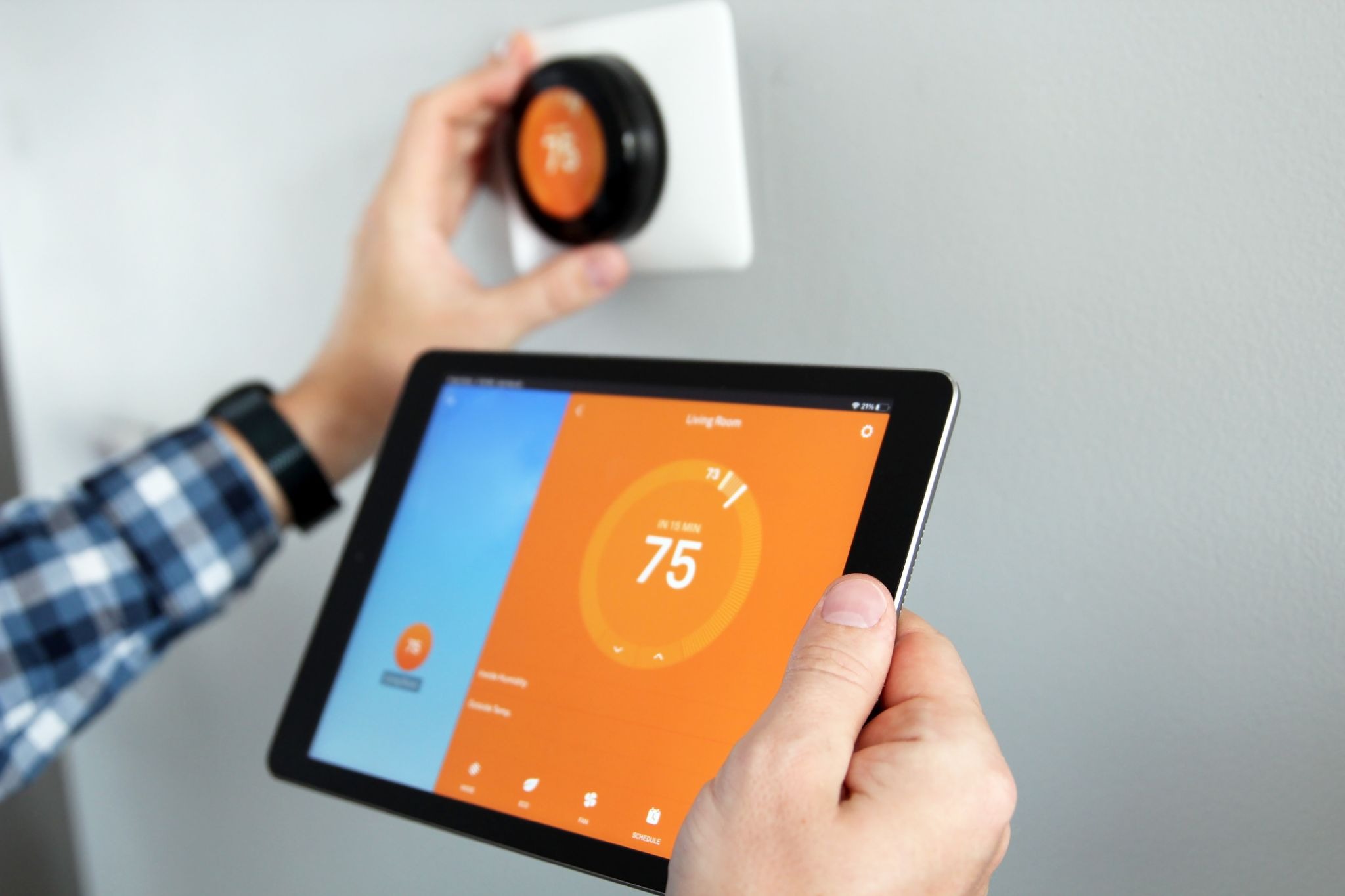
Try setting daytime and nighttime schedules so your home stays comfortable when you’re awake and asleep. If you work outside the home, set a higher temperature in summer (or lower in winter) during those hours. Many systems can even sense when rooms are occupied or unoccupied, fine-tuning temperatures by zone.
The more data your thermostat gathers, the smarter it gets. Over time, it can predict your comfort preferences and adjust energy use accordingly, thereby automatically and effortlessly creating that Goldilocks-approved balance.
Maintenance: The Secret to “Happily Ever After” Comfort
Even the smartest thermostat can’t fix a neglected HVAC system. Annual maintenance is the unsung hero of efficiency and longevity.
Professional technicians inspect and clean the system, lubricate moving parts, and calibrate components so everything runs smoothly. Catching minor wear and tear early prevents costly repairs later, while keeping airflow strong and energy use low.
Don’t forget your ducts either. Dust and debris buildup can restrict circulation and lower indoor air quality. A clean system not only runs more efficiently, it keeps your home healthier and fresher year-round.

Keeping Your Comfort “Just Right”
True comfort doesn’t come from blasting the heat or cranking the AC. I know that’s hard to believe, especially in Georgia’s cranky climate, but balance really is the key here. Finding the right temperature range, cleaning the filters, using smart technology, and scheduling regular maintenance will absolutely create a home that feels consistently pleasant without draining your wallet.
So the next time you reach for the thermostat, think like Goldilocks (minus the trespassing). As long as you aim for “just right,” not too hot and not too cold, your HVAC system will reward you with steady comfort and long-term savings.
Even Goldilocks would approve.