

Your Roof Has a Language of Its Own
Every roof tells a story to those who know how to listen. Long before water starts dripping through the ceiling, your roof will show signs of its condition. For homeowners, spotting the early warnings can be the difference between a simple repair and a savings-draining replacement.
Below are seven unmistakable signs that your roof is crying out for help, along with what each one really means for your home.
1. Shingles That Curl or Buckle
If your shingles are curling at the edges or buckling in the middle, your roof is waving a red flag. This often happens when shingles reach the end of their lifespan, or when moisture and poor ventilation take their toll.
A few curled shingles may not cause leaks immediately, but widespread curling suggests the roof is no longer holding up to the elements. It’s usually a sign the clock is ticking on a full replacement.
2. Bare Patches Where Shingles Should Be
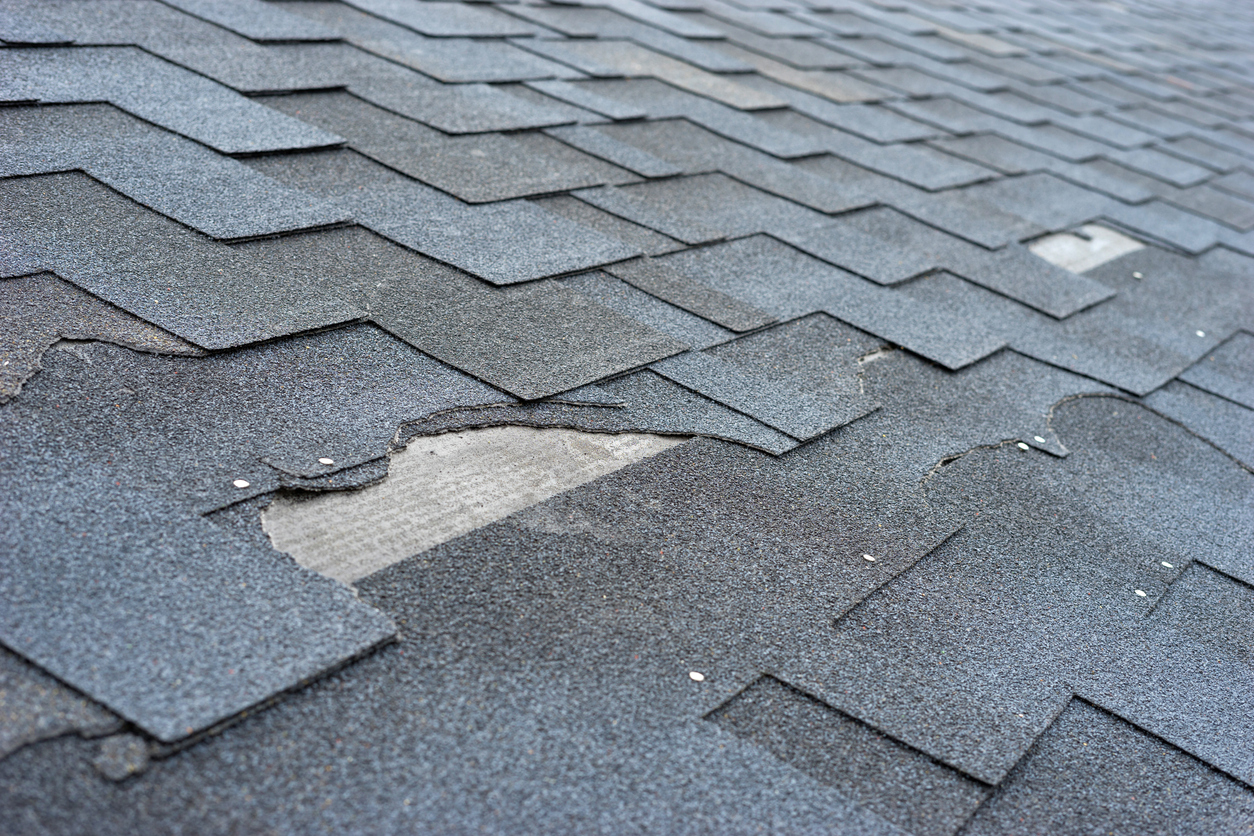
Missing shingles leave your roof’s underlayment and wooden decking exposed to rain, wind, and UV rays. Even a small gap can allow water to seep in and weaken your home’s defenses. Storms, strong winds, or simple wear and tear can pull shingles loose. If you notice bald spots on your roof, repairs shouldn’t wait.
3. Streaks, Stains, and Algae Growth
Dark streaks running down your roof may look like dirt, but they’re often algae. While algae itself doesn’t eat away at shingles, it does hold moisture against the surface. Over time, this moisture can speed up shingle decay and shorten your roof’s life.
Beyond the structural risk, streaks can also hurt curb appeal. Cleaning and treatment help, but repeated growth may point to ventilation issues that need professional attention.
4. Grit and Granules in the Gutters
As asphalt shingles age, they begin shedding granules—the tiny sand-like coating that protects them from the sun. If you find a buildup of grit in your gutters or around your downspouts, your shingles are losing their armor. Without that protective layer, your roof becomes more brittle and vulnerable to damage. It’s a common sign that a roof is in its final years.
5. Sagging Spots That Can’t Be Ignored
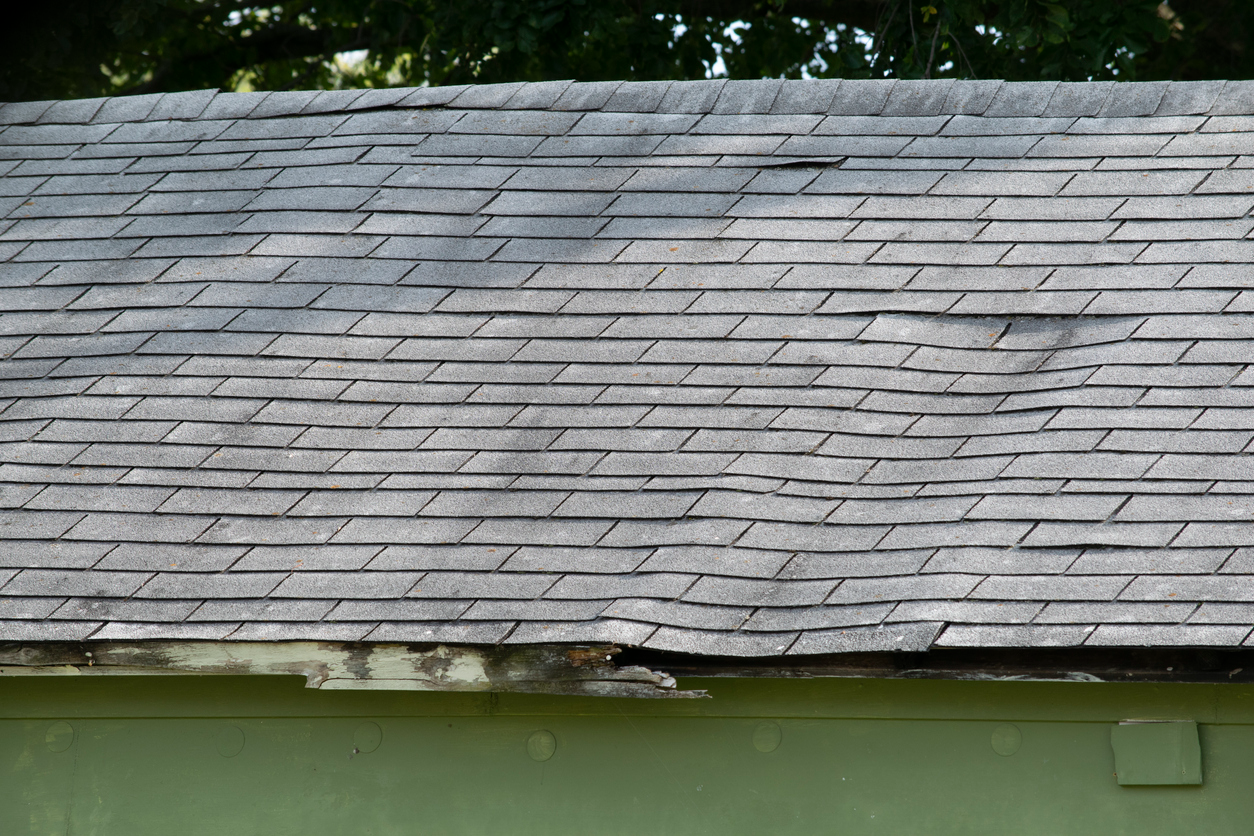
A roofline should be straight and solid. If your roof looks like it's sagging, it's usually due to trapped moisture, rotted decking, or even structural failure of the supporting beams. This isn’t just a cosmetic problem, it’s a safety issue.
A sagging roof requires immediate inspection before the problem escalates into a collapse.
6. Water Stains on Ceilings and Walls
When leaks make their way inside, the roof has already lost its battle against the elements. Brown water rings on ceilings or streaks down walls often mean water has been creeping in for a while. Along with damaging drywall and insulation, roof leaks can foster mold growth. If you see stains indoors, don’t just patch and paint. You'll need to find and fix the source at the roof.
7. Energy Bills That Keep Climbing
Sometimes roof problems show up not in plain sight, but in your monthly utility bills. Poor attic ventilation or damaged roofing can prevent your home from regulating heat properly. That forces heating and cooling systems to work overtime.
If your energy costs are rising without another clear explanation, your roof system may no longer be doing its job.
Don’t Wait Until It’s Too Late
Roofs rarely fail overnight. They warn you with curled shingles, missing patches, streaks, and stains. Ignoring these signs can shorten the life of your home and lead to expensive emergency repairs.
If you spot any of the symptoms above, the smartest move is to act quickly. Call a TrustDALE certified roofing professional for a thorough inspection. They’ll give you the peace of mind that comes from knowing your roof’s story, and then helping to rewrite a safer, longer-lasting chapter for your home.