
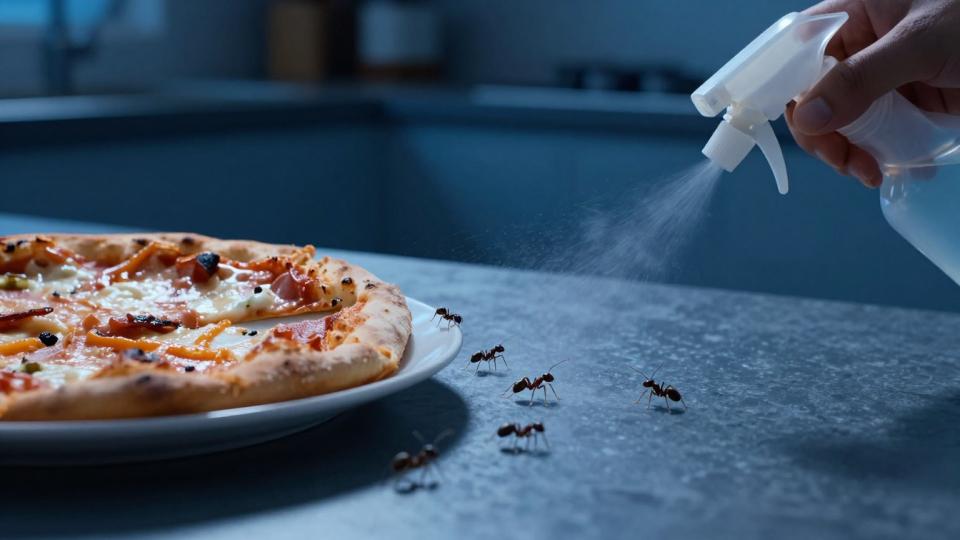
I'll never forget walking into the kitchen as a newlywed for another slice of takeout pizza for my husband and me, only to find it covered in ants. It's bad enough when a roach skitters across your floor. But when insects ruin your meal, THIS. MEANS. WAR.
What's worse, the ants you see may be just the tip of the iceberg. While those tiny flying bugs around your windows are annoying, ants can be more insidious. As social insects, they may connect to ant colonies hidden inside your walls, beneath a slab, outdoors, or near your foundation.
Why ants keep coming back after you spray usually has more to do with the colony you can't see. A quick spray can clear the scene, but lasting control takes cleanup, inspection, and the right treatment.
Killing visible worker ants rarely kills the queen ants or the nest. You need to remove what draws them in, block their route, and use products according to their labels.
Key Takeaways
- Most indoor ants are worker ants, while the nest or colony may be concealed outdoors, in a wall, or beneath a slab.
- Contact sprays kill ants you hit, but often leave the colony active.
- Remove crumbs and moisture, then erase pheromone trails before sealing access points.
- Ant bait can work when foragers carry it back to the colony, but never spray around bait stations.
- Hire a pest professional when activity persists, moisture damage appears, or the source remains hidden.
Why Ants Keep Coming Back After You Spray
Ants enter homes because they find food, water, shelter, or an established route. A sweet spill may start the visit. These social insects may also follow honeydew produced by aphids, grease, or protein. A leaky pipe, pet bowl, greasy cabinet edge, or damp wall can keep the traffic coming.
The U.S. Environmental Protection Agency recommends integrated pest management, which combines sanitation, exclusion, moisture correction, monitoring, and targeted treatment. This approach limits pests without relying on repeated spraying alone. Its least-toxic pest-control guidance supports sanitation, exclusion, and targeted treatment.
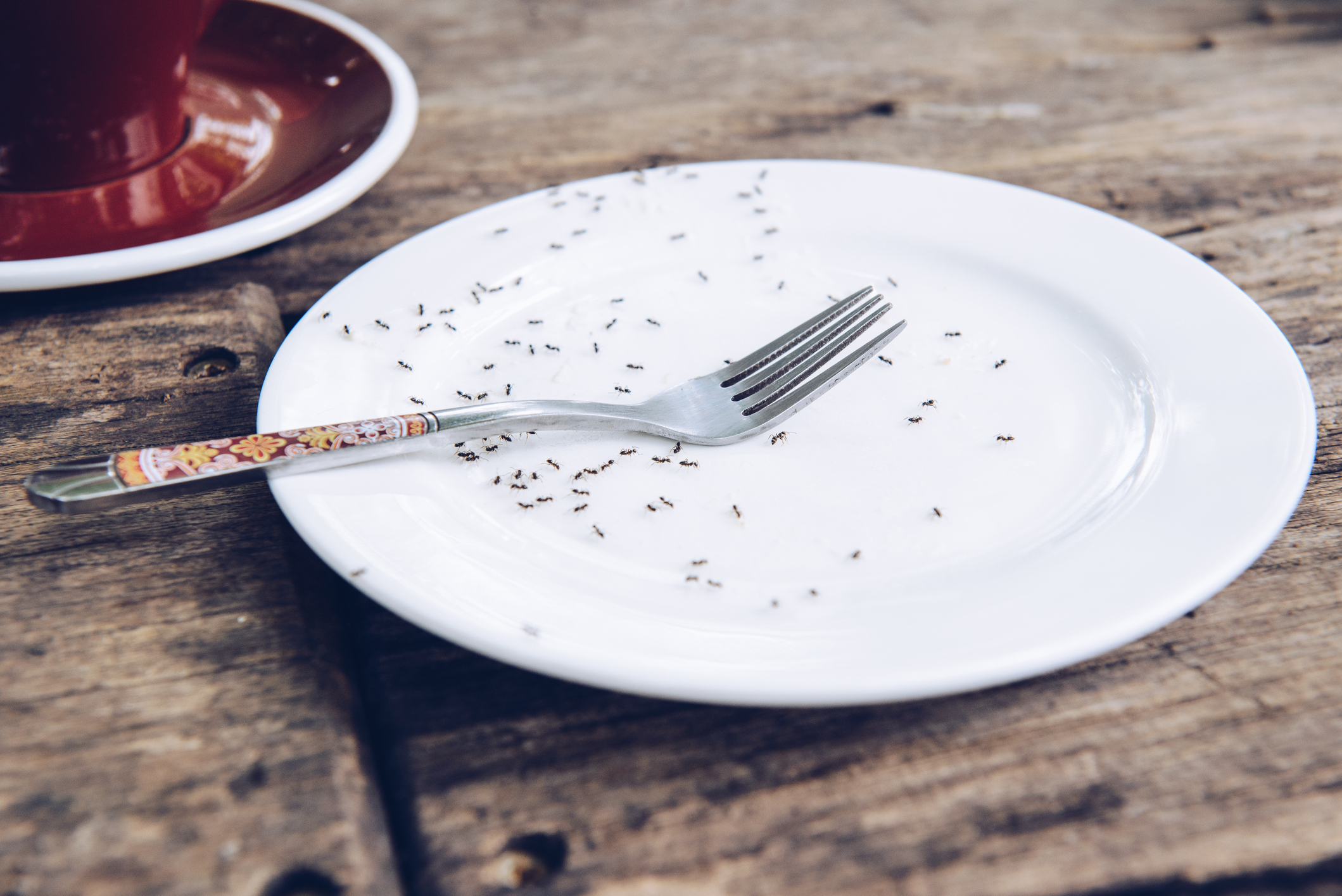
Most ants you see indoors are workers scouting for food. Their ant colonies could be outside near the foundation, inside a wall void, under flooring, beneath a concrete slab, or in moisture-damaged wood. The same indoor trail can return even after you clean up the ants that were visible.
Ant identification can guide treatment because species differ in food preferences and nesting habits. Common indoor species include odorous house ants, pavement ants, pharaoh ants, and thief ants.
Ants have elbowed antennae, a narrow waist with petiole nodes, and a distinct thorax and abdomen. Winged termites have straighter antennae and a broader waist. Winged ants or termites may suddenly appear near windows during mating swarms.
The spray killed workers, but the colony survived
A contact insecticide generally reaches exposed worker ants. It doesn't travel through the wall to queen ants, eggs, larvae, or workers that stayed in the nest.
That quick result can make the problem look solved for a day or two. However, another group of foragers may soon take the same route. In some cases, heavy spraying near an active trail disrupts the foraging pattern before ants can carry bait back to the colony.
For recurring ants, spray strength usually isn't the central issue. The source and access route matter more.
Ant trails and hidden entry points bring new workers inside
Ants leave chemical scent trails, called pheromone trails, that help other workers find food. Wiping the counter alone may not remove that path. Clean the trail with soapy water, then rinse and dry the surface.
Check likely routes around foundation walls, doors, windowsills, baseboards, cabinet gaps, plumbing openings, and gaps under refrigerators or other heavy appliances. Also look around sink pipes, wall penetrations, floor corners, and utility lines.
A clean counter won't stop a colony if the same entry gap and moisture source remain available.
How to Stop Ants From Returning to Your Home
Work through the problem in order. First, observe the ants without spraying them. Their trail can show where they enter and what attracts them. If possible, take a clear photo to support ant identification. Different species may have different nesting locations and bait responses.
Next, remove the rewards that brought them inside:
- Store pantry goods, pet food, and snacks in hard-sided containers with tight seals.
- Wipe counters, cabinet shelves, stovetops, and floors, especially after sweet or greasy foods.
- Repair dripping faucets, loose drain connections, and refrigerator leaks.
- Empty standing water from trays, plant saucers, and outdoor containers near the house.
- Trim branches and vegetation away from exterior walls, and move firewood away from the foundation. Aphids on plants can produce honeydew that attracts some ants toward the home.
Then clean active trails with soap and water. Seal cracks after you identify the route, using a suitable caulk around trim, pipe penetrations, and small exterior gaps. Weather-stripping can close space beneath doors and around windows.
Keep monitoring after the visible ants disappear. Prevention fails when cleaning and sealing stop too soon.
Use ant baits differently from a contact spray
Bait works because foraging workers carry it back to the nest, where it can be shared with other ants and potentially reach the queen. That process takes patience. You may see activity around bait before the colony begins to decline.
Follow the label on the exact product you buy. The EPA label for the COMBAT Ant Killing System directs users to place stations where ants travel or enter, while keeping them out of reach of children and pets.
Don't spray insecticide on, beside, or over bait stations. Residual pesticide can repel or kill foragers before they carry bait home. Keep bait away from food-preparation surfaces unless its label permits that placement.
If you suspect pharaoh ants, avoid repellent sprays. Disturbance can cause them to spread or establish satellite activity. Careful bait placement and professional guidance are especially important in this situation.
Know when do-it-yourself treatment is not enough
Call for help if ants continue after you clean, seal, and use bait correctly. You also need a professional when activity comes from a wall void, crawl space, inaccessible ceiling area, or another concealed spot.
Carpenter ants deserve extra attention. They don't eat wood, but their nesting habits can lead you to damp or damaged wood, wall voids, and roof or plumbing leaks. Their presence can be associated with moisture-related structural damage, but it doesn't prove serious damage by itself.
A Cooperative Extension Service can help identify a specimen. A licensed pest professional can inspect the structure, locate moisture conditions, and determine whether you need pest treatment, repair work, or both.
How to Choose a Pest Control Company for Recurring Ants
Don't hire based on a promise to “spray and go.” A reputable company starts with an inspection and documents the likely species, entry route, moisture conditions, and treatment goals. You should receive a written scope, price, treatment plan, and follow-up terms before work starts.
Ask whether the company will identify the ant, inspect indoors and outdoors, locate possible nests, explain its bait or pesticide choices, and tell you what you must do after treatment. Verify licensing, insurance, and pesticide-use requirements in your state or locality.
Or save time by finding vetted Pest Control Experts backed by our $10,000 Make It Right Guarantee on TrustDale.com. TrustDale Certified Partners have already passed a rigorous seven-point inspection process.
Warning signs of a weak ant treatment plan
Be cautious if a company skips the inspection or pressures you to sign immediately. Also question unexplained recurring charges, verbal-only promises, or a claim that every ant will disappear after one visit.
A provider should explain which insecticide it plans to use, where it will be applied, and which label-based precautions are required. Spraying food-preparation areas without discussing cleanup, food-contact precautions, or label directions is a concern.
Get at least three detailed estimates when the issue persists or treatment includes ongoing service. The lowest price may leave out inspections, follow-up, or moisture-related repairs.
What a professional inspection should include
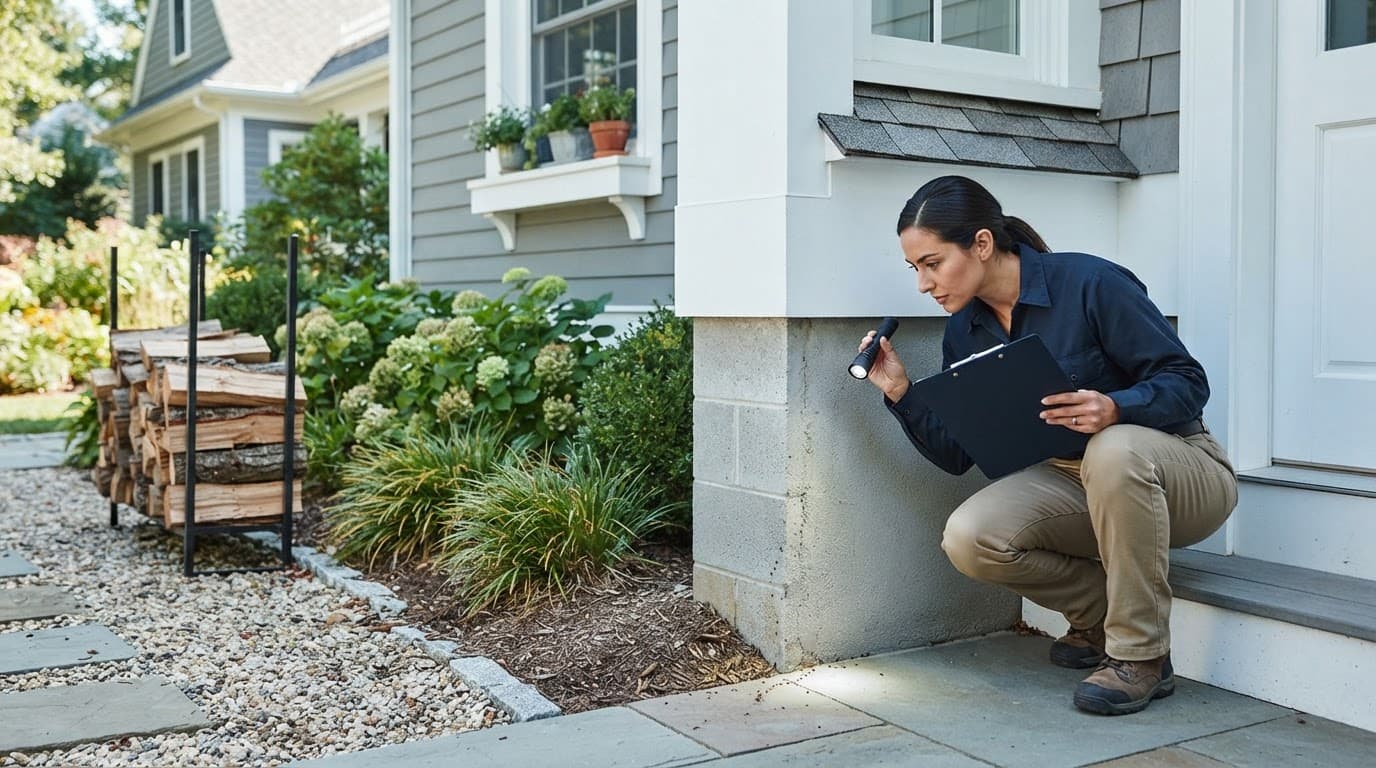
A thorough inspection documents active trails, food sources, moisture, doors, windows, foundation cracks, cabinets, appliances, plumbing penetrations, landscaping, and likely outdoor nests. The technician may also inspect wall voids or crawl spaces when evidence points to hidden nests.
Before you agree to treatment, ask four direct questions:
- What ant species or likely group did you find?
- Where do you believe the ants are entering or nesting?
- What treatment will you use, and when should results appear?
- What cleaning, repairs, or monitoring do you need to handle afterward?
You should leave the appointment knowing what the technician found, what remains uncertain, and what follow-up will cost.
Frequently Asked Questions
How long does it take for ant baits to work?
Bait usually takes longer than a contact spray because workers must carry it through the nest. This process may eventually reach queen ants, so patience is necessary. Check the product label for its expected timeline and replacement instructions. Don't spray insecticide near bait stations unless the label says it's safe.
Should you seal holes before or after treating ants?
Watch the trail first, because it can reveal the entry point. Clean the route and seal known gaps after you understand where ants are coming from. If you seal too early, ants may simply find another opening.
How can ant identification distinguish thief ants from pharaoh ants?
Ant identification can be difficult when comparing thief ants and pharaoh ants because both are very small. Don't choose treatment based on size alone. Consider their location, activity patterns, and professional inspection results.
Why are ants suddenly appearing in a clean kitchen?
A clean kitchen can still have water, hidden food residue, or an open route. Outdoor weather changes may also push them toward shelter. Mating swarms can bring winged insects near windows, so distinguish ants from winged termites before treating. Check plumbing, appliance drip pans, window gaps, and exterior vegetation.
Can ants come through a dishwasher or refrigerator?
Ants can travel around appliance connections, wall gaps, and moisture sources near appliances. A dishwasher leak or refrigerator condensation can create favorable conditions. Pull appliances out safely and inspect around the floor, wall, and supply lines.
Are carpenter ants a sign of structural damage?
Carpenter ants can nest in wood softened by moisture, although their presence alone doesn't prove structural damage. You should investigate leaks, damp framing, damaged siding, and soft wood. A pest professional and qualified repair contractor may both be needed.
Keep the Colony From Finding Its Way Back
Recurring activity often signals hidden ant colonies and easy access, not a need for stronger spraying. An integrated pest management approach combines cleaning trails, removing food and moisture, sealing openings, monitoring activity, and using targeted treatments as directed.
If the colony or entry point stays hidden, bring in a qualified pest professional. Before you hire, compare the inspection, written treatment plan, price, follow-up policy, and provider credentials. That extra review protects your home and your wallet.