

The Emotional Influence of Your Walls
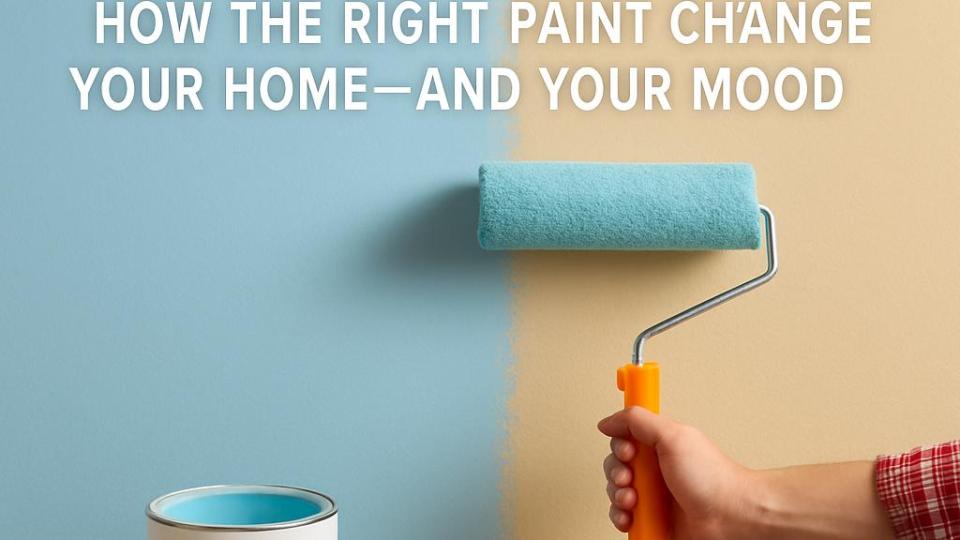
A fresh coat of paint is more than a visual upgrade, it can actually affect how you feel in your home. Color psychology, grounded in cognitive science and neuroscience, shows that hues can alter heart rate, blood pressure, stress hormones, and emotional states. For instance, soft blues and greens are linked to calmness and improved focus, while warm tones like red energize and heighten alertness
Choosing color isn’t just decoration, it’s emotional design.
In this article, we’ll break down what goes into choosing the right colors, reveal surprising facts about paint and mood, and discuss when it’s worth calling in a professional to ensure your vision comes to life perfectly.
What Goes Into Painting (and Why Choices Matter)
Painting sounds simple: pick a color, prep surfaces, apply the paint. In reality though, it takes some real thought. Decisions like color palette, finish type, room lighting, and the right kind of prep, can absolutely shape the outcome you want.
Bedrooms often benefit from cool, restful shades, while active spaces like kitchens thrive with warm, bright tones. Even wall textures and finish (matte vs. satin) affect mood and practicality. A color that looks perfect on a sample might feel entirely different under your living room’s evening light, making this a process worth planning carefully.

The Science Behind Color and Mood
Scientific evidence confirms that color affects both mental and physical states. Soft blues, for example, have been shown to lower heart rate and blood pressure, fostering relaxation and potentially better sleep. Studies from Sleep Foundation affirm that blue and green tones tend to inspire more restful emotions before bedtime.
In work settings, research supports that color can impact productivity and mood. A comprehensive review shows cool blue hues and balanced neutral‑cool combinations can enhance performance, and colorful environments generally outperform monochrome ones Neuroscience also shows exposure to calming colors like blue or green can reduce cortisol (stress hormone) and improve cognitive clarity.
DIY Painting or Professional Expertise?
Ok, so you know blue calms and yellow energizes, but how about getting it right on your walls? That’s where pros come in. What often gets overlooked is how lighting and environment can dramatically change the appearance of color. A shade that looks perfect on a swatch at the store may appear too dark in a dim hallway or too bright in a sunlit living room.
Professionals use large swatches, digital simulations, and lighting tests to preview how paint behaves in real time. They also ensure the edges are clean, finishes smooth, and trim crisp, saving you from a patchy DIY job that needs redoing. It’s a more efficient and stress-free route to a finish you’ll enjoy for years.

For smaller painting projects that don't require the same precision and attention to detail, that’s the perfect DIY job. If you’ve got the motivation, the tools, and the basic know-how, please go crazy on that accent wall. You’ll save some money and feel pride in yourself: that’s a win-win right there. Just keep in mind that some mistakes might require costly re-dos.
Transform Your Space with the Right Help
The right paint color can completely redefine your home, improving both its appearance and the way you feel in it. From boosting productivity to creating calming retreats, every room has the potential to be elevated with the right shades. But getting it right takes more than guesswork: it requires insight and precision.
Instead of risking regret, partner with a TrustDALE certified painting professional who can guide you through the selection process and deliver a flawless finish. With expert advice and quality workmanship, you’ll enjoy a home that feels as good as it looks.