
When a Peaceful Yard Turns Perilous
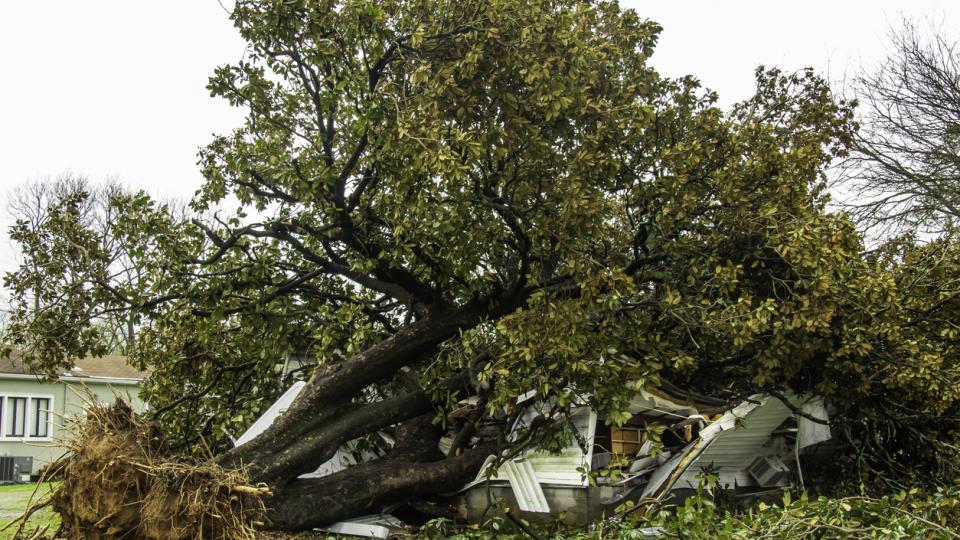
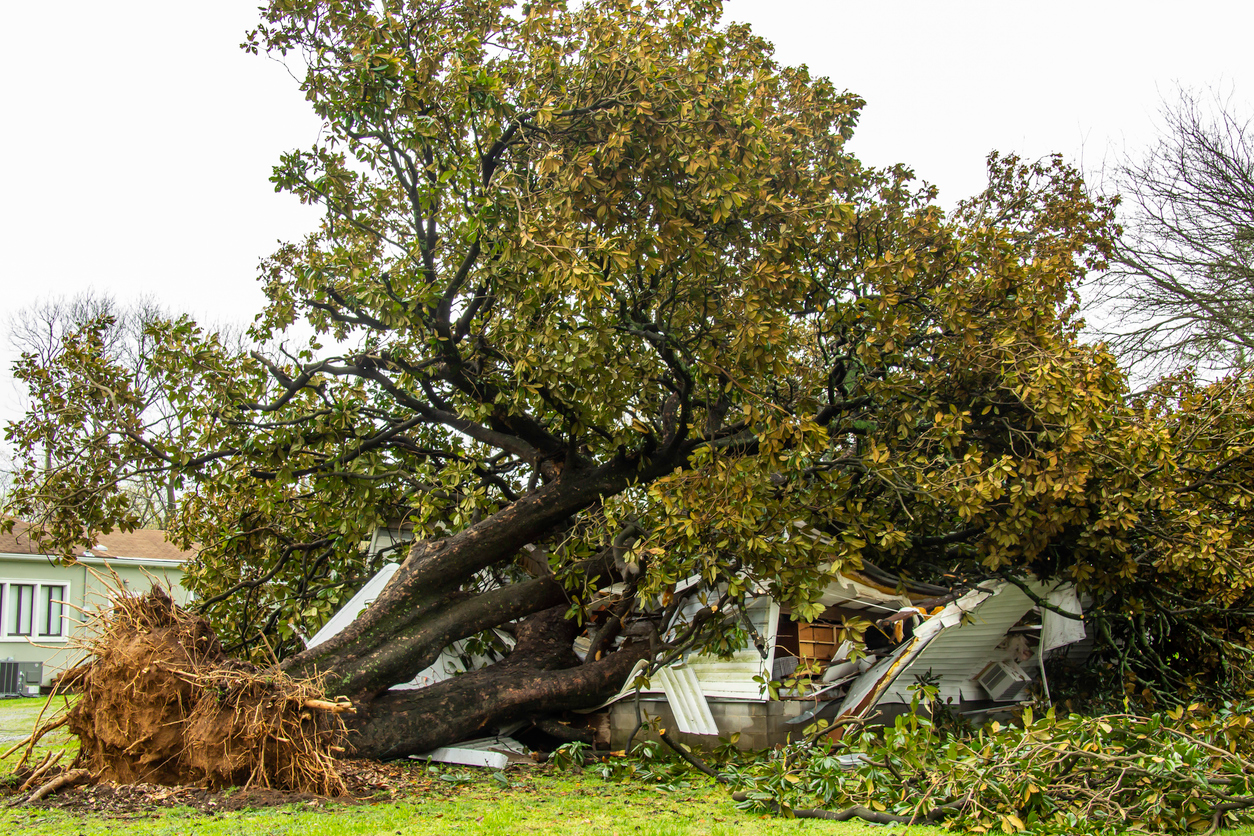
A big oak or maple can make your property feel like a sanctuary. But in a storm, that same tree can become a liability. High winds, heavy rains, and saturated soil all test the strength of your trees, and one weak link can mean a broken roof, a crushed car, or downed power lines.
That’s why storm preparation isn’t just about stocking flashlights and sandbags, it’s also about spotting which trees around your home pose a danger. Below, we’ll walk through the most common warning signs, explain why professional removal is critical, and show how experts like Top Tier Trees help protect Georgia homeowners before disaster strikes.
How Storms Turn Trees into Hazards
A healthy tree can often weather a storm. A compromised one cannot. Storms create dangerous conditions that amplify even small weaknesses:
- High winds snap weak limbs. Dead or brittle branches become airborne projectiles, striking windows, roofs, or even people.
- Saturated soil loosens roots. Days of rain weaken the ground, making it easier for unstable trees to topple.
- Falling branches cause collateral damage. One branch can take out a fence, crush a vehicle, or sever utility lines, leading to power outages.
Understanding these storm dynamics makes it clear why keeping an eye on tree health year-round is so important.
Red Flags You Shouldn’t Ignore
Fortunately, most problem trees send warning signs long before the storm clouds gather. Homeowners should be on alert for these indicators:
- Leaning Toward Structures – A tree that appears to be tilting toward your house, garage, or power lines is often unstable, especially if the lean is recent.
- Dead or Brittle Limbs – If branches snap off easily or sections of the canopy look bare, those limbs are already a hazard.
- Overgrown Canopies – Dense tops act like sails in the wind, increasing the risk of the tree uprooting.
- Fungal Growth and Decay – Mushrooms at the base or along the trunk often signal hidden rot inside the wood.
Cracked or Uplifted Soil – Soil movement around the base indicates shifting roots and potential instability
Spotting one of these issues doesn’t always mean a tree has to come down, but it does mean it should be evaluated quickly by a professional.
Why Calling the Experts Is the Safer Choice
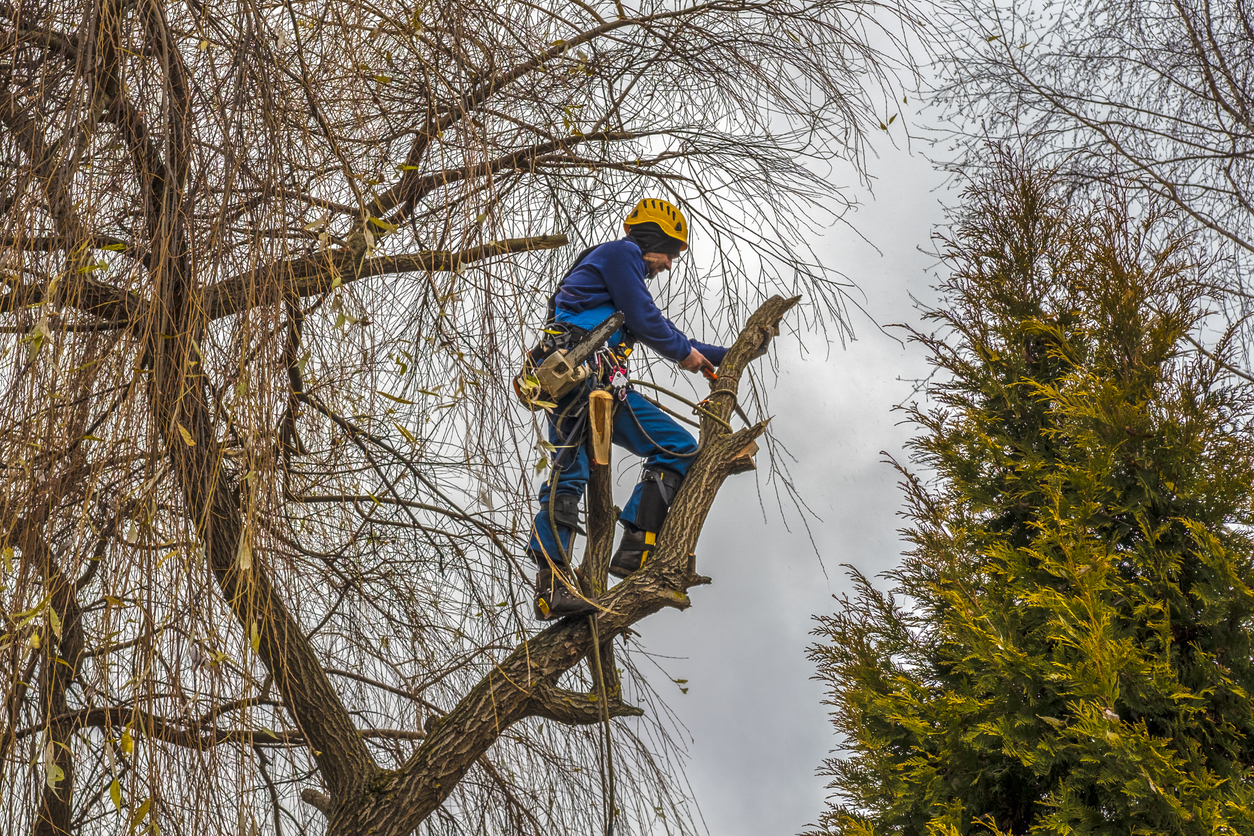
When storm season arrives, some homeowners are tempted to pull out a chainsaw and handle risky trees themselves. The reality? DIY removals are among the most dangerous tasks a homeowner can attempt. Accidents involving falls, electrical contact, or improper cuts are all too common.
Hiring unlicensed contractors can be just as risky. If something goes wrong, you may be left liable for damage or injury. Insurance companies often require proof that a certified professional performed the work.
That’s where Top Tier Trees stands out. As ISA-certified arborists, their team is trained to evaluate structural risks that aren’t obvious to the untrained eye. They use specialized equipment to remove hazardous trees strategically, minimizing damage to surrounding property. With a proven track record in storm-season response, Top Tier Trees has earned a reputation as a trusted, safety-first partner for homeowners across the region.
Make Storm Safety Part of Your Yard Care
Preparing your home for severe weather starts outside. By paying attention to signs of rot, leaning, or unstable growth, you can prevent costly and dangerous damage when storms arrive.
For homeowners in Georgia, Top Tier Trees, a TrustDALE certified partner, provides peace of mind through expert inspections and safe removals. Before the next storm season gains momentum, consider scheduling a professional tree assessment. A single call could make the difference between a safe home and an avoidable disaster.