

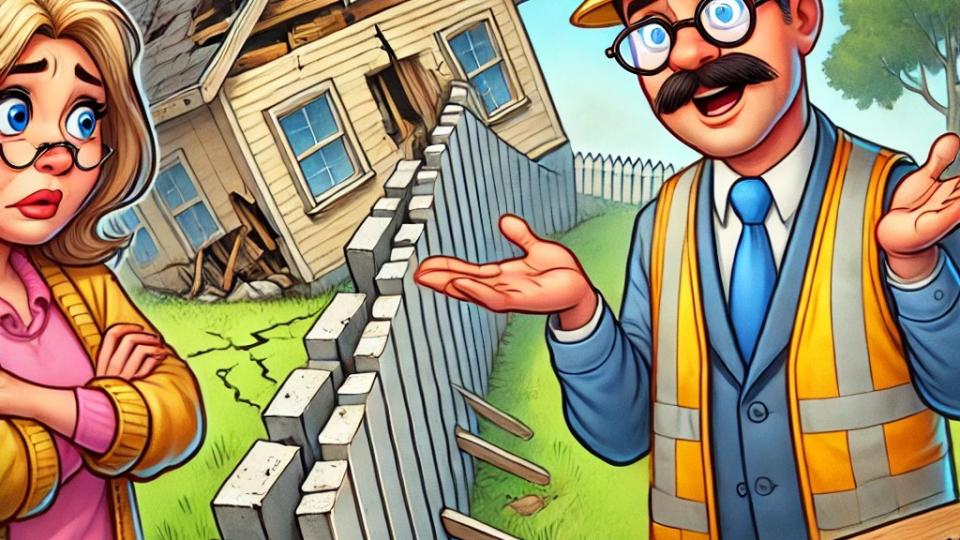
A retaining wall isn’t just another backyard feature—it’s a crucial structural element that can mean the difference between stability and disaster. For Diane Gottlich, her retaining wall was all that stood between her home and a dangerous slope. When the wall began to buckle just seven months after installation, the stakes couldn’t have been higher.
But instead of honoring their five-year warranty, the company that built the wall blamed her. Sound familiar? Unfortunately, it’s a scenario that happens too often. But Diane’s story has a silver lining—one that reveals the power of expert advice, persistence, and consumer protection.

The $12,000 Problem No One Wanted to Own
Diane did everything right—at least, that’s what she thought. She sought out three reputable companies, compared their offerings, and selected the one she trusted most to build a retaining wall that would secure her property.
Yet, less than a year later, cracks and separations appeared. Instead of standing strong, the wall was shifting, putting her deck and home at risk. And when she reached out for warranty service, the company dodged responsibility.
Diane recalled what happened when the company sent out a technician to review her complaint:
“He couldn’t explain the crack at the bottom or the separation. Then he asked me what we had done—just totally made no sense to me.”
So, what went wrong?
Bringing in the Experts
When the contractor refused to take responsibility, Diane sought a second opinion. Jay Eastland, co-founder of Engineered Solutions of Georgia, took one look and confirmed her worst fears: the wall wasn’t built on a stable foundation.
Eastland explained the fix requires a lot of work – literally from the ground up:
“The first thing that has to happen is that soil conditions need to be identified. Then a plan has to be put in place to address that, so the wall can be taken down and rebuilt on stable soil.”
Retaining walls are more than just stacked blocks; they require proper drainage, reinforcement, and foundation work to withstand the pressures of shifting soil. If any of these factors are overlooked, failure is only a matter of time.
With expert findings in hand, Diane confronted the original contractor again—this time, with evidence that couldn’t be ignored.

The Power of Holding Companies Accountable
When confronted with an expert report, the contractor changed course. Diane received a text from the owner promising to come out and repair the wall the following week.
The result? A properly rebuilt retaining wall that, hopefully, will last for years.
Diane’s experience underscores a crucial truth: consumers have power, but only if they know how to wield it.
How to Protect Yourself on Big Home Projects
Diane’s ordeal offers a valuable lesson for anyone hiring a contractor for major home improvements. Here are three key takeaways to ensure you don’t end up in a similar situation:
- Understand Your Warranty Terms – A five-year warranty sounds reassuring, but what does it actually cover? Is it limited? Transferable? Knowing these details upfront can save you headaches later.
- Seek a Second Opinion – Even if you trust your contractor, have another expert review the plans before work begins. A professional eye can catch potential flaws before they become expensive problems.
- Document Everything – Keep records of every conversation, estimate, contract, and text message. If something goes wrong, you’ll need proof of what was promised.
When it comes to home improvement, trust is essential—but so is verification. Whether you're hiring a contractor for a retaining wall, a roof replacement, or any major project, make sure you do your homework.
For a vetted list of professionals who stand behind their work, visit TrustDALE.com. Every TrustDALE Certified Partner is backed by our $10,000 Make It Right Guarantee, so you can have confidence in your investment.
Don't let this happen to you—choose wisely and protect your home.