
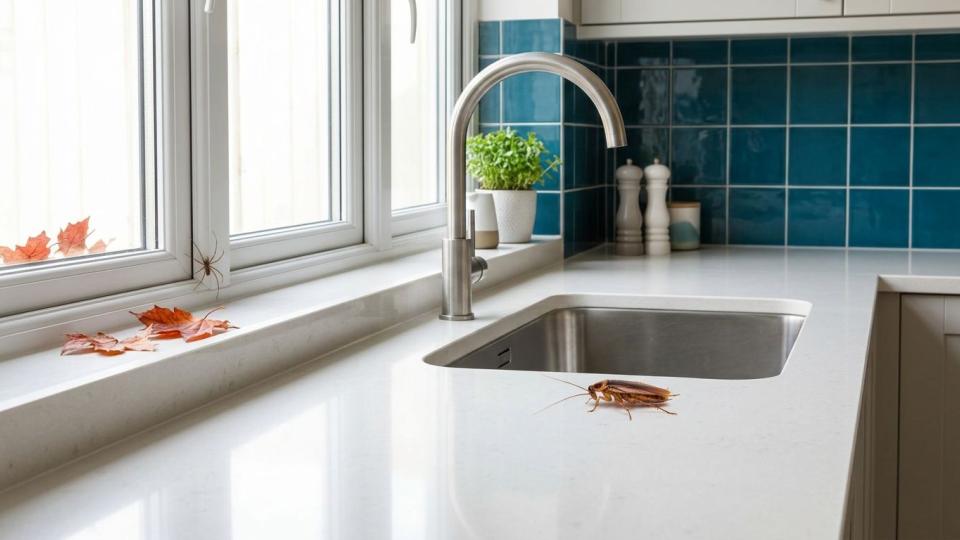
It's the first chilly night of the season. You flip on the kitchen light for a glass of water, and there it is: a roach by the sink, frozen like it got caught raiding the fridge. Your brain jumps straight to the worst case. How many more are in the walls? Is the house basically theirs now?
Take a breath. One bug is not a hostile takeover.
Some outdoor critters really do move indoors when the temperature drops. Others, like certain roaches, with apologies, may have been living in your home all along. And while seeing bugs anywhere in your home is unpleasant, before you pay for treatment, it helps to figure out which situation you're in.
The Quick Version
- Cooler weather pushes some outdoor pests inside, but a fall sighting doesn't mean every bug just arrived.
- German cockroaches can live indoors all year when they have food, water and a cozy place to hide.
- Repeat sightings, egg cases and activity in more than one room deserve a closer look. A single spider is not an infestation.
- Seal gaps, fix leaks and keep an eye on things before you choose a treatment. If you hire help, ask for a pest ID and a written service plan.
Why Do You See More Spiders and Roaches in the Fall?
Your House Is the Warmest Hotel on the Block
Gaps under siding, cracks around the foundation and openings in the walls all look like vacancy signs to a bug trying to escape the cold. Some outdoor pests will check in as temperatures fall.
Still, the weather isn't the whole story. Whether you get a true spider invasion in the fall depends a lot on the species and where you live.
Roaches Stay for the Free Buffet
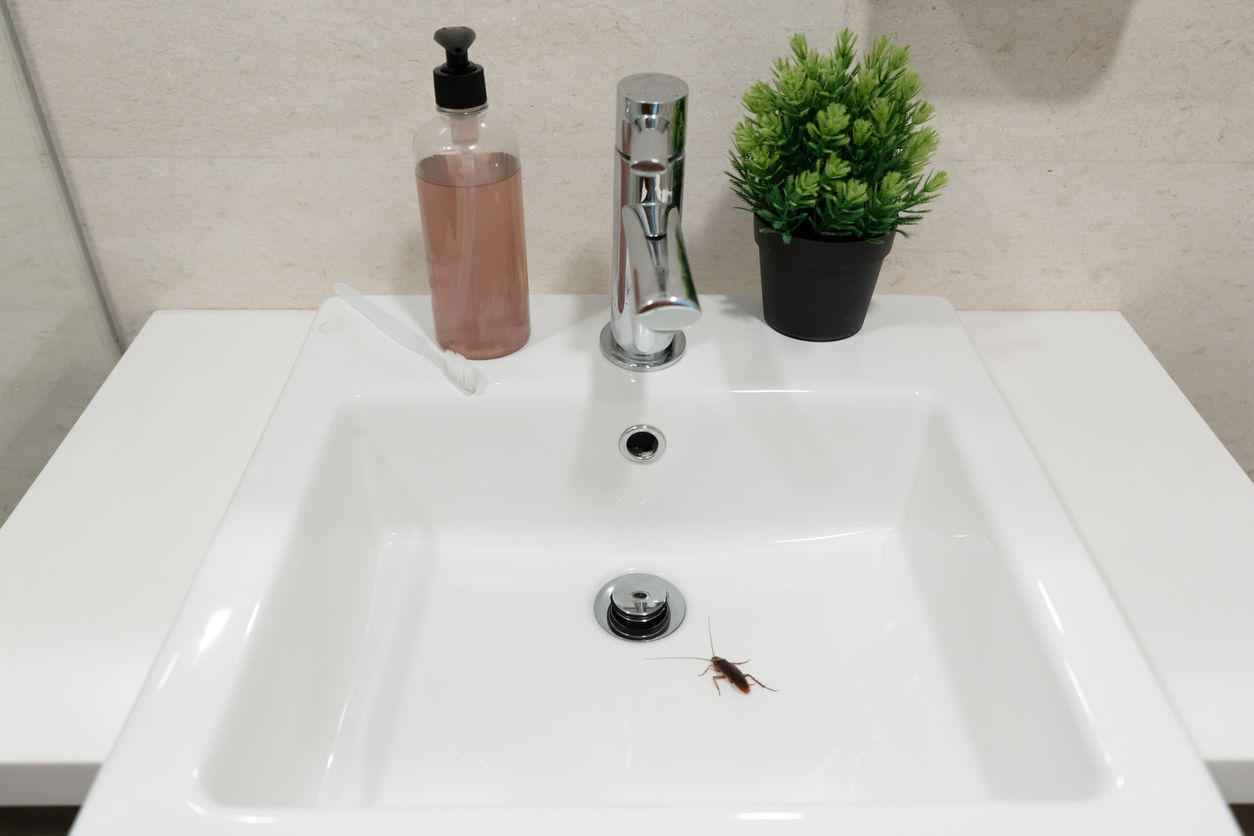
Roaches have simple needs: snacks, water and a dark place to hang out. Crumbs, grease and food left on the counter cover the snacks. A dripping pipe handles the water. Warm spots behind appliances and piles of clutter make perfect hideouts.
American roaches and palmetto bugs may wander in too.
German cockroaches are a different story. They're homebodies that stick closely to indoor spaces. If you keep running into them, you're probably dealing with a year-round population, not a few refugees from the cold.
Spiders Are Here for the Bugs, Not Your Leftovers
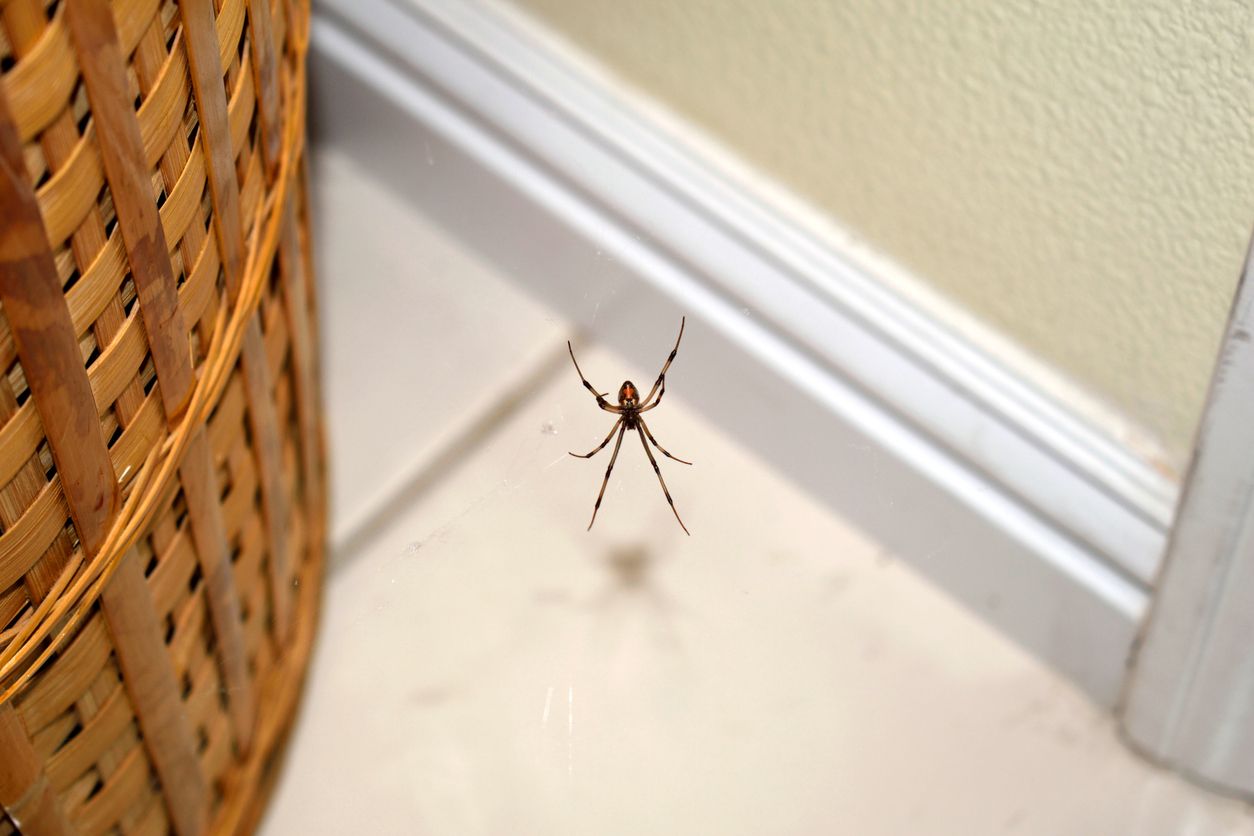
Spiders couldn't care less about your crumbs. They're hunters, and they go where the insects are. Giant house spiders, cellar spiders and wolf spiders are common examples, though when they roam (often during mating season) varies by species and region.
According to University of Minnesota Extension, outdoor spiders sometimes wander indoors by accident, especially in fall. One lost spider strolling across the living room is a tourist, not a tenant.
Houseguest or Roommate? How to Tell What You're Dealing With
Watch Where (and How Often) Roaches Show Up
A roach by the back door may have just wandered in. Roaches that keep popping up around the sink, the fridge or the pipes are a much bigger clue.
Time to play detective. Jot down when and where you see them, and watch for roach egg cases. Snap a photo when you can, because different species call for different control strategies.
The U.S. Environmental Protection Agency's integrated pest management principles say identification and monitoring should guide any treatment decision. In other words: know your enemy before you spray.
One Corner or the Whole House?
A few webs by one doorway are not the same as spiders showing up in room after room. Check for nearby insects (the spiders' grocery store) and for spider egg sacs.
Cellar spiders and wolf spiders are good reminders that looks can be deceiving. You can't always pin down a species by appearance alone.
If you think you might be looking at a black widow or brown recluse, don't handle it. Get a professional identification instead. Species and risks vary by location.
How to Keep Spiders and Roaches Out This Fall
Lock the Side Doors They're Sneaking Through
Patch torn window screens, seal foundation cracks and fill gaps around pipes and utility lines. If you can see daylight under an exterior door, add a door sweep or weather stripping.
Even tiny cracks can let pests in. Just don't block vents or other openings that need airflow. Check what an opening does before you plug it.
Close the Roach Buffet
Keep food and garbage in closed containers. Wipe up crumbs and grease, including under appliances you can reach. Fix leaks and dry out damp spots.
Cut the clutter too, especially stacks of cardboard, which roaches treat like luxury condos. EPA pest prevention guidance recommends removing food, water and shelter to help control pests.
Make Your Entryways Less Inviting
Rake up leaf piles and move stored stuff away from your doors. Check screens, and look over items before you bring them inside. Vacuuming webs also helps you tell whether new ones keep showing up.
Fewer insects near your doors means less dinner for spiders. These steps lower your odds of a fall spider invasion, though you'll probably still meet the occasional eight-legged visitor.
When It's Time to Call a Pest Control Pro
Schedule an inspection if roaches keep coming back after your prevention work, show up in several spots or leave signs they're breeding. It's also smart to get help when spider activity is persistent and widespread, or when you can't tell what you're looking at and safety is a concern.
Before you sign anything, ask:
- Which pest did you identify?
- Do my window screens or other entry points need attention?
- Where will you treat, and which pesticides will you use?
- How should I prepare, and when is it safe to go back inside?
- If you recommend an exterior perimeter treatment, why, and which areas does it cover?
Then get an itemized quote that separates the initial service, follow-up visits and renewal charges. No surprises on the bill.
Need a pest control company you can actually trust?
In Atlanta, you can find vetted pest control experts backed by TrustDALE's on TrustDale.com. TrustDALE Certified partners have all passed our rigorous seven-point inspection process and are backed by our free to you $10,000 Make It Right Guarantee for eligible services.
Fall Pest FAQ
Will Spiders and Roaches Leave on Their Own in Spring?
Outdoor visitors might head back out or just become less noticeable. Don't count on the calendar to fix things, though. Indoor roach populations can stay active all year if conditions suit them.
Do Porch Lights Attract Spiders?
Indirectly, yes. Mississippi State University Extension notes that outdoor lighting can attract the flying insects spiders hunt. Adjusting your lights may mean less prey near the house, but it can't guarantee spiders will stay away.
Should I Use a Bug Bomb for Roaches?
Probably not. According to the National Pesticide Information Center, fogger mist doesn't reach the hidden cracks and voids where roaches hide. Follow product labels, and get targeted professional advice instead of relying on a broad treatment.
Does Seeing Spiders Mean I Have Another Bug Problem?
Not necessarily. Spiders in the fall don't prove you have an insect infestation. Look for repeat insect sightings or other evidence before buying extra treatments.
What Should I Do If I Find a Roach Egg Case?
Take a photo, remove it safely and check nearby hiding spots. Keep track of any new sightings. If roaches keep appearing, schedule an inspection so you can pin down the species and the source.
The Bottom Line: Don't Panic, Investigate
Fall weather can bring a few extra guests, but the species and the conditions in your home tell the real story. One surprise visitor is a reason to keep watch, not a reason to sign a treatment contract on the spot.
Seal up entry points, cut off food and moisture, and keep your eyes open. If pests keep coming back or you're not sure what you're seeing, call in a pro to identify them. Your kitchen (and your midnight glass of water) will thank you.